Eli Lilly Demands NHS Drug Price Increases to Resume UK Investment
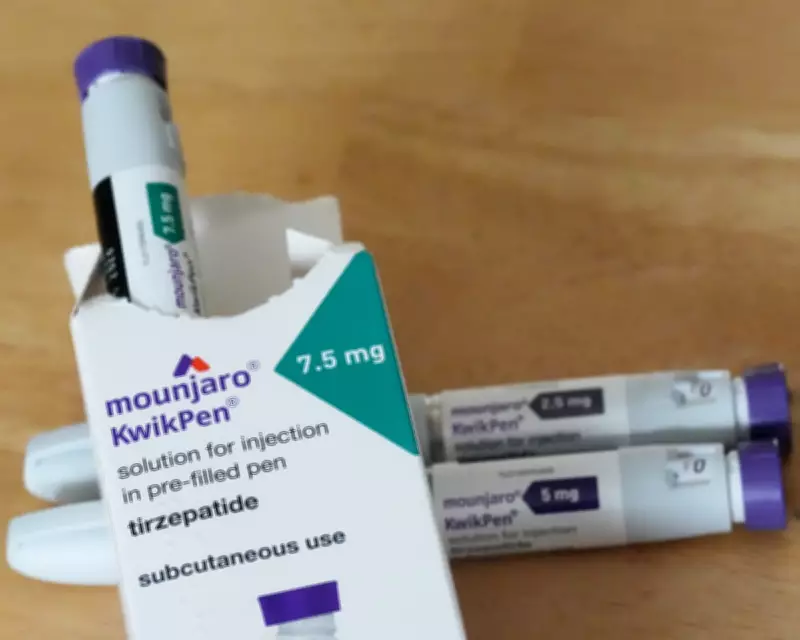
US pharmaceutical giant Eli Lilly, the manufacturer of the weight-loss drug Mounjaro, has declared it will only resume its paused investments in the United Kingdom if the government agrees to regular increases in NHS drug prices and abolishes a controversial rebate scheme. The company, which was among several firms to halt or abandon nearly £25 billion in planned UK investments last year, is currently in negotiations with ministers, expressing optimism about reaching an agreement this summer.
Negotiations and Pricing Demands
Patrik Jonsson, President of Eli Lilly's international business, stated in an interview with the Financial Times that the discussions aim to secure higher payments for medicines in the UK. He emphasised that drug prices have been "far too low for far too long" and criticised the current cost-effectiveness thresholds, noting they have not kept pace with inflation over the past two decades. "The threshold can't be written in stone for another three decades," Jonsson asserted, highlighting the need for a dynamic pricing model.
The talks are also exploring innovative pricing strategies, such as linking payments for anti-obesity treatments like Mounjaro to outcomes like helping patients return to work. Jonsson cited data showing that treating obesity reduces absenteeism, which could benefit employers and the broader economy. "We have 2.8 million of the UK eligible working population that aren't coming to work out of sickness. I think there are real opportunities to discuss new models," he added.

Background on Investment Pauses and Rebate Scheme
Eli Lilly paused its plans to invest in a laboratory site in central London last year, part of a broader trend where pharmaceutical companies withheld significant capital from the UK market. Jonsson clarified that the resumption of investments hinges on the outcome of government talks, requiring a "well-defined action plan with interventions and timelines."
A major point of contention is the rebate scheme, which forces pharmaceutical companies to repay a portion of revenue from branded medicine sales if NHS usage exceeds an agreed rate. While this scheme is expected to be reduced in 2026, Jonsson argued that payments "should actually get down to zero" over time to encourage investment.
Political Context and Recent Changes
This push comes amid increased pressure from the US pharmaceutical industry on the UK. Last year, Prime Minister Keir Starmer agreed to the first increase in NHS cost-effectiveness thresholds in 27 years, raising the price the NHS will pay for life-extending drugs from £20,000-£30,000 to £25,000-£35,000 per year of life gained. Additionally, following international pressure, the UK committed to paying 25% more for new medicines by 2035 as part of a US-UK drug pricing deal, with funds sourced from the NHS budget rather than the Treasury—a move campaigners estimate could eventually cost £9 billion annually.
Despite these changes, Eli Lilly and other large pharmaceutical firms continue to protest the rebate scheme and advocate for further price hikes. The company is also preparing to launch a pill version of Mounjaro later this year, potentially expanding access beyond the currently rationed injection form.
Government Response
A spokesperson for the Department of Health and Social Care responded, stating, "Everyone deserves access to the best and most innovative treatments, and our changes to medicine pricing will make sure thousands of NHS patients gain faster access to new treatments. We remain fully committed to delivering the UK-US pharmaceutical agreement, including the changes to the Nice cost-effectiveness threshold." This indicates ongoing efforts to balance affordability with innovation in the healthcare sector.