Bayer Finalises $2 Billion Settlement in Roundup Cancer Litigation
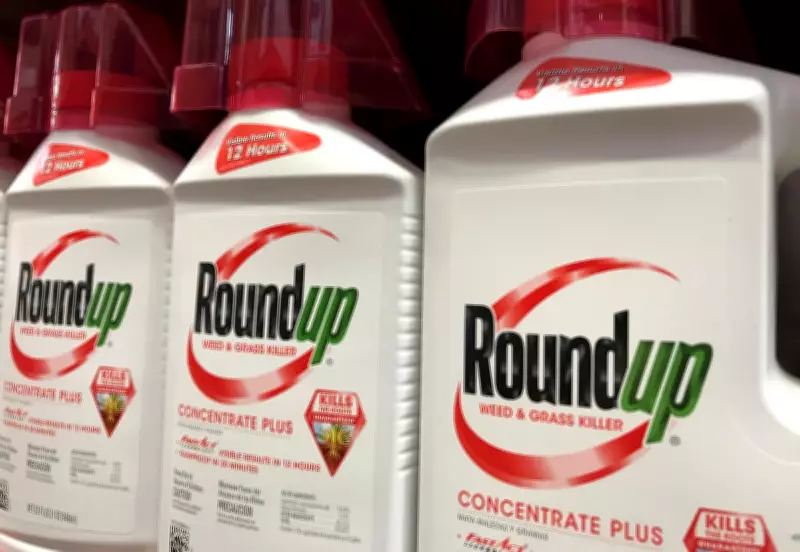
German pharmaceutical and agricultural giant Bayer has reached a significant settlement agreement, totalling approximately $2 billion, to resolve a substantial portion of the ongoing litigation concerning its widely used weedkiller, Roundup. This deal aims to address thousands of claims alleging that exposure to the herbicide's key ingredient, glyphosate, causes cancer, particularly non-Hodgkin lymphoma.
Details of the Landmark Agreement
The settlement, announced on Wednesday, involves a comprehensive payout to plaintiffs who have filed lawsuits against Bayer's subsidiary, Monsanto, the original manufacturer of Roundup. While the exact number of cases covered remains undisclosed, it is understood to encompass a majority of the pending claims in the United States. This move is part of Bayer's broader strategy to manage the legal fallout that has plagued the company since its $63 billion acquisition of Monsanto in 2018.
Legal experts suggest this settlement could set a precedent for future cases, as it represents one of the largest resolutions in product liability history. However, Bayer maintains that the agreement is not an admission of liability, reiterating its stance that Roundup is safe when used as directed and that glyphosate is not carcinogenic, a position supported by some regulatory agencies but contested by others, including the World Health Organization's International Agency for Research on Cancer.

Background and Ongoing Challenges
The controversy stems from decades of use of Roundup, a glyphosate-based herbicide, in agriculture and residential settings. Lawsuits began mounting after a 2015 report by the IARC classified glyphosate as "probably carcinogenic to humans." This led to a series of high-profile court cases, with juries awarding billions in damages to plaintiffs, though some verdicts have been reduced on appeal.
Despite this settlement, Bayer faces continued legal hurdles, as not all claims are included in the deal, and new lawsuits may emerge. The company has also been grappling with reputational damage and shareholder pressure, prompting a review of its Roundup business strategy. In response, Bayer has announced plans to invest in research for alternative weed control methods and to enhance product labelling to address safety concerns.
Implications for the Industry and Consumers
This development has far-reaching implications:
- Agricultural Sector: Farmers and growers may face increased scrutiny over glyphosate use, potentially driving demand for organic or alternative herbicides.
- Regulatory Environment: Governments worldwide could reassess glyphosate regulations, leading to stricter controls or bans in some regions.
- Consumer Awareness: Public perception of Roundup and similar products may shift, influencing purchasing decisions and sparking debates on chemical safety in everyday products.
Bayer's settlement is expected to provide some financial certainty, but the company must navigate ongoing regulatory reviews and potential future litigation. As part of the agreement, a claims administration process will be established to distribute funds to eligible plaintiffs, with oversight from courts to ensure fairness.
In summary, Bayer's $2 billion settlement marks a pivotal moment in the Roundup saga, offering resolution for many claimants while underscoring the complex interplay between corporate liability, scientific debate, and public health. The outcome may influence how similar cases are handled globally, highlighting the need for transparent risk assessment in the agrochemical industry.