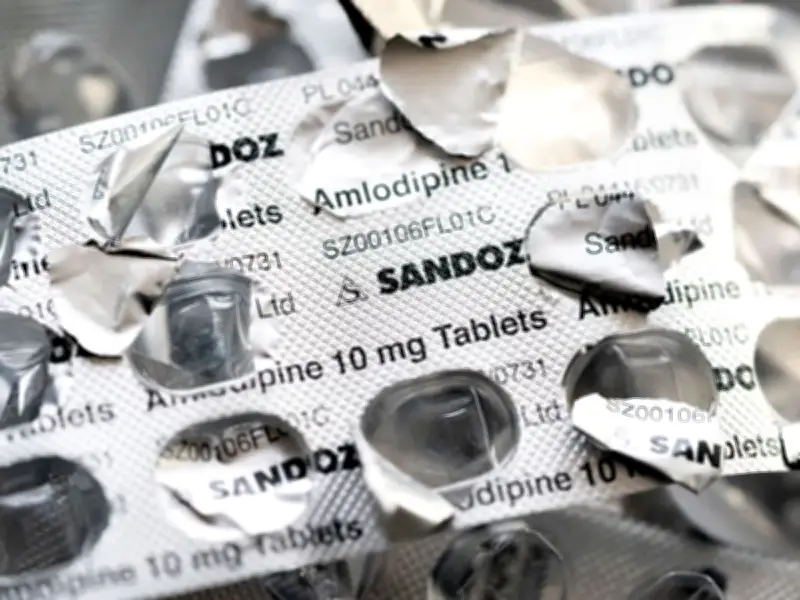
People taking the common blood pressure medicine amlodipine have been cautioned not to ignore a side effect that is said to become more pronounced over time. Raj Patel, known as the Straight-Talking Pharmacist on TikTok, has highlighted the symptom, which the NHS lists as swelling in the ankles, feet and legs.
What the pharmacist says
Amlodipine is prescribed to treat high blood pressure and angina by relaxing and widening blood vessels. Swelling can occur even when the medication is successfully lowering blood pressure, according to the NHS.
Mr Patel, who has more than 100,000 followers and millions of likes on TikTok, said: "After 35 years in the pharmacy game, swollen ankles with amlodipine is one side effect I'd never tell you to simply put up with." He explained that the drug can affect fluid distribution around the ankles, with swelling sometimes developing gradually and becoming more noticeable later in the day.
He added: "If your swelling came gradually, affects both your ankles and gets worse later on in the day, amlodipine is possibly one of the reasons."
Advice for patients
The pharmacist stressed that people should not stop taking their prescription merely because they notice this side effect. "The prescriber may be able to adjust your dose or discuss another option," he said, urging patients to raise the issue with their healthcare professional.
NHS guidance also advises speaking to a pharmacist or doctor if side effects are troublesome or do not go away, and says people should keep taking amlodipine unless advised otherwise. Taking a photograph of the swelling and noting when it appears or whether it changes during the day may help explain the problem during a medication review.
When swelling signals an emergency
Not all swelling should be attributed to amlodipine, as oedema can also be caused by other medicines, an injury, infection or conditions affecting the heart, kidneys or liver. Sudden swelling in one leg, particularly if it is painful, red or warm, needs urgent medical assessment, while chest pain or sudden breathing difficulty can be signs of a medical emergency.
Mr Patel warned: "But if one leg suddenly becomes swollen, painful, red or warm or you become breathless or develop chest pain, that's a different pattern and needs urgent help." Anyone experiencing chest pain or severe, sudden breathlessness should call 999 or seek emergency care rather than waiting for a routine medication review.