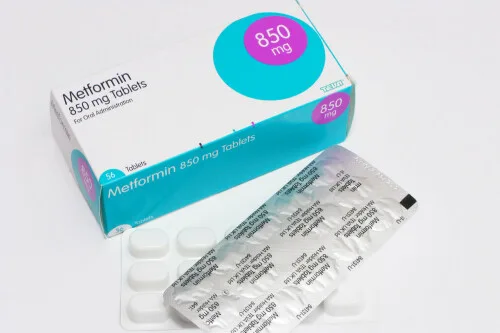
2p Diabetes Pill Metformin Could Slash Oesophageal Cancer Risk by Over a Third
A groundbreaking new study has revealed that metformin, a widely available diabetes medication costing as little as 2p per tablet, could dramatically reduce the risk of developing one of the world's deadliest cancers. Published in the prestigious journal JAMA Network Open, the research suggests this common drug might lower the odds of oesophageal cancer by more than a third, opening exciting possibilities for preventive healthcare.
From Blood Sugar Control to Cancer Prevention
Metformin is already taken by millions worldwide to manage blood sugar levels in type 2 diabetes. Now, leading oncologists believe its benefits could extend far beyond metabolic health. The study indicates that those most at risk of oesophageal cancer—such as individuals suffering from chronic acid reflux or Barrett's Oesophagus—could potentially be prescribed metformin in future as a protective measure against this aggressive disease.
Professor Shai-Hau Xie, an expert in gastrointestinal cancers involved in the research, stated: 'From a clinical perspective, the observed association between metformin use and a significantly decreased risk of oesophageal cancer suggests a possible role for this drug in cancer prevention and treatment.'
Understanding the Deadly Threat
Oesophageal cancer, which affects the food pipe, is increasingly prevalent and closely linked to several risk factors including obesity, poor diet, smoking, excessive alcohol consumption, and persistent acid reflux. Barrett's Oesophagus, a condition where cells in the oesophagus grow abnormally often due to long-term acid exposure, further elevates risk. Alarmingly, around 9,300 people are diagnosed with oesophageal cancer annually in the UK alone, according to Cancer Research UK.
The disease is notoriously difficult to detect early because its symptoms—such as heartburn or indigestion—are easily mistaken for common digestive issues until it reaches advanced stages. This underscores the urgent need for effective preventive strategies.
How Metformin Might Work Against Cancer
Scientists have long investigated metformin as a potential anti-cancer agent because studies suggest it can inhibit the reproduction of malignant cells. The drug works by lowering insulin levels, a hormone that can promote cancer cell multiplication. Previous research has also indicated metformin might help prevent prostate cancer, broadening its potential therapeutic applications.
Robust Research Methodology
In this comprehensive study, experts at Karolinska University Hospital in Stockholm tracked over 13,000 oesophageal cancer patients alongside matched controls from 1994 to 2023. Participants were enrolled in the Nordic Gastric and Oesophageal Tumour Study conducted across Denmark, Finland, Iceland, Norway, and Sweden.
The researchers meticulously adjusted results for confounding factors including tobacco use, alcohol consumption, and the use of medications like anti-inflammatory painkillers and statins. On average, patients were diagnosed with this deadly disease around age 70, with most having smoked and consumed alcohol heavily before diagnosis compared to control participants.
Compelling Statistical Evidence
Of the 13,050 cancer patients included in the final analysis, only 725—just under six percent—were metformin users. In contrast, approximately eight percent of cancer-free participants took the blood-sugar-lowering drug, suggesting metformin might be protecting them against the disease.
The researchers concluded that metformin use was associated with a remarkable 36 percent reduction in the risk of developing oesophageal cancer compared to non-use. Surprisingly, this protective effect was observed regardless of sex, age, smoking status, alcohol consumption, or use of NSAIDs and statins.
Notably, the benefits were especially pronounced in participants who took higher doses of metformin—defined as more than 1,278 daily doses over a five-year period.
Future Clinical Implications
The research team emphasized that their findings provide a strong rationale for exploring metformin as a preventive option for high-risk individuals, such as those with precancerous lesions. They also suggested examining whether metformin could improve survival rates when used after curative treatments like surgery.
Currently, most patients who undergo curative treatment for oesophageal cancer experience tumour recurrence leading to death within just a few years. 'Adjuvant treatment with metformin could potentially reduce this risk,' the researchers noted, while cautioning that current evidence remains limited and further observational studies followed by clinical trials are needed before recommendations can be made.
A Hopeful Outlook for Patients
This study offers renewed hope for individuals at elevated risk of oesophageal cancer, particularly those suffering from persistent acid reflux—a condition long linked to increased disease risk. By repurposing an affordable, widely available medication, healthcare systems could potentially implement cost-effective cancer prevention strategies that save lives.
As research continues to unfold, metformin's role in oncology may expand, transforming how we approach one of medicine's most formidable challenges.