US Pediatricians Combat Childhood Literacy Crisis with Early Screenings
Across the United States, childhood literacy rates are facing significant challenges, prompting innovative solutions from unexpected quarters. Pediatricians are now stepping into the educational arena, with Nationwide Children's Hospital in Columbus, Ohio, pioneering literacy screenings during routine medical visits for children as young as three years old.
Early Intervention in Medical Settings
With nationwide concerns mounting over declining reading proficiency, this hospital has initiated a program to assess literacy skills in pediatric clinics. The strategy focuses on early detection of reading difficulties, providing parents with crucial guidance to support their children's development. Sara Bode, the hospital's medical director of school-based health, emphasized that pediatricians already conduct developmental screenings, making this an ideal opportunity to incorporate literacy checks.
The program targets clinics near schools with lower kindergarten readiness assessment scores. Data from Columbus City Schools reveals that over 63% of kindergarteners were behind in language and literacy skills during the 2024-2025 academic year. This local issue mirrors a national trend, where only about 30% of fourth graders are considered proficient in reading, according to the 2024 National Assessment of Educational Progress.

Bridging Gaps in Traditional Assessments
Traditional pediatric development screenings often prioritize milestones like walking or talking, potentially overlooking literacy readiness. Devin Kearns, an early literacy professor at North Carolina State University, noted that while external support for flagging reading issues is positive, selecting appropriate screening tools is critical. Nationwide Children's Hospital uses a bilingual tool, available in English or Spanish, which involves children reading through a book during primary care visits.
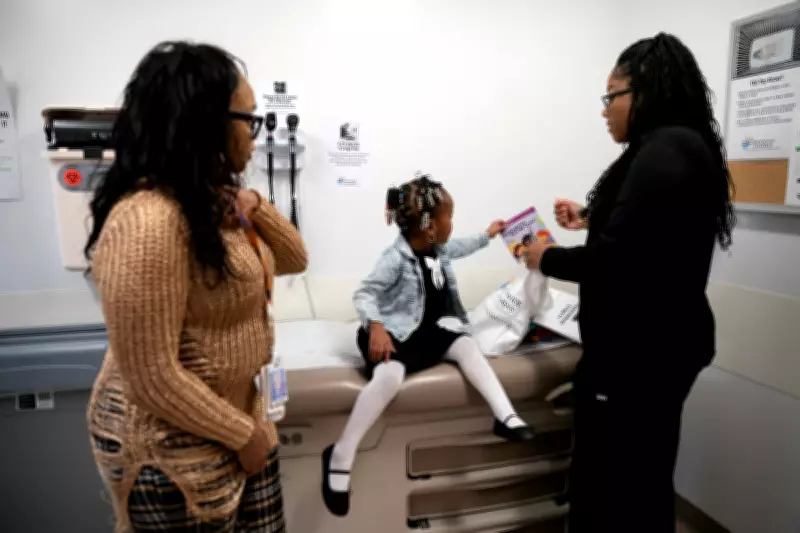
Since its launch in 2022, the program has conducted more than 2,400 screenings across approximately half of the hospital's 13 clinics. Each clinic is staffed with a literacy coordinator who administers the assessments, which take about ten minutes and are timed to avoid post-vaccination distress. The screenings are not designed to diagnose learning disabilities like dyslexia but to identify areas where additional support is needed.
Personalized Support and Home-Based Strategies
Following each screening, coordinators create personalized literacy plans and model activities for parents, such as reading aloud. Carneshia Edwards, who leads the hospital's kindergarten readiness team, explained that the goal is to expose children to literacy concepts rather than test specific knowledge. Families also receive literacy kits containing tools like dry-erase boards, books, and motor skill aids, with contents shaped by teacher feedback and donations.
The program serves high-needs populations, including uninsured or Medicaid-enrolled families. Coordinators maintain contact with families, referring children to programs like Head Start or SPARK for educational home visits. Follow-up assessments a year later track progress, as seen with Juri Sleet, a four-year-old who showed significant improvement in letter recognition and sight words after enrolling in preschool with coordinator assistance.
Long-Term Impact and National Implications
Research from The Children's Reading Foundation indicates that nearly 75% of kindergarteners in the bottom 20% for readiness remain in that percentile by fifth grade, underscoring the urgency of early intervention. This pediatric approach complements efforts by other institutions, such as Boston Children's Hospital, which also promotes early literacy resources. By integrating literacy into healthcare, the initiative aims to ensure children are kindergarten-ready, addressing a critical gap in educational support systems.