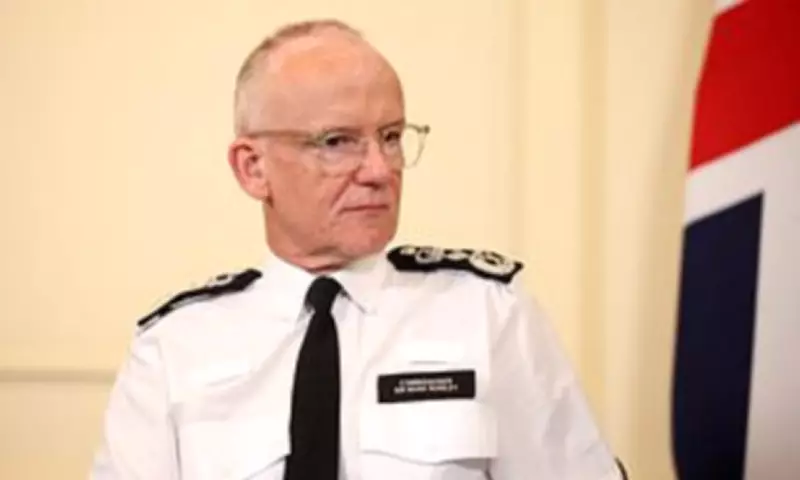
Britain's top police officer, Commissioner Mark Rowley, will today commit to a new era of openness by releasing officers' body-worn video to show both the 'good and bad' in policing. Rowley has scrapped a previous policy that footage should not routinely be released, as he wants Scotland Yard to be able to counter 'armchair critics' who spread 'false narratives' online when clips go viral.
Background of Policy Change
The decision follows an incident where Green Party leader Zack Polanski was forced to apologise for sharing a social media post criticising police officers who arrested a knifeman who stabbed two people in the Golders Green attack. The Met subsequently published camera footage showing the officers bravely tackling the suspect despite knowing he had a knife and fearing he may have a bomb.
In 2020, the force decided that releasing videos captured from cameras mounted on officers' uniforms was too risky, citing examples of 'poor communication, a lack of patience, and a lack of de-escalation before use of force is introduced'. However, this year a landmark charter between police and the media called for forces to release footage 'to ensure that the public has a balanced view of what happened'.

New Policy Details
Today, Sir Mark will publish a new policy committing to releasing more footage sooner, stating he is willing to put out clips even when 'where we have got things wrong'. Previously, body-worn video was only published after the conclusion of criminal proceedings, which can take years.
Sir Mark said: 'While we want to use this new policy to showcase excellent work, we know that we need to be willing to put out videos where we have got things wrong or made a mistake. It has to be the good and the bad, so we can make the strides needed to further improve public confidence in the Met.'
Footage may now be released when the force faces questions about controversial stop-and-searches and allegations of racial profiling.
Commissioner's Statement
Speaking to the Mail, the Commissioner said: 'Day in day out, officers across London are doing an incredible job to keep us safe. Much of what they do is out of the public eye, and you only get to see a fraction of their incredible work, whether that's through pursuing and arresting suspects, seizing weapons, or policing major public order events. To help people understand more about the realities of front-line policing, the Met has been working on a new policy which means we will be issuing more body-worn video and doing so quicker.'
He added: 'This change in policy comes at a time where we're increasingly having to defend the actions of our officers. We are seeing videos go viral when officers have been filmed by onlookers and short snippets are selectively edited and posted online, often taken out of context or not showing the full interaction. I've spoken previously about armchair critics or those who film at close range, which can obstruct officers and impede their work. This policy is designed to improve transparency and stop false narratives in their tracks.'
The actions of online critics undermine officers and have real-world consequences. 'Our officers must be able to act decisively to keep us all safe, rather than being concerned about how their actions can be reviewed in slow-time and with the benefit of hindsight. Our officers must know that we have their back.'
He referenced the Golders Green attack: 'You saw this following the attack in Golders Green where some criticised the use of force by officers. As I said at the time, their actions were nothing short of extraordinary, they undoubtedly prevented further injuries and saved lives. My team worked quickly to get out the body-worn video from the officer's perspective, showing their immense bravery.'
Broader Impact
The force will also start releasing officers' footage from protests, showing how they are often subject to 'unacceptable abuse'. 'We also face a difficult public order environment, with officers being filmed by people who attend protests. Unfortunately, this behaviour has crossed into unacceptable abuse. Sadly this is a reality officers face all too often,' he added.

'Our polling shows 60 per cent of Londoners say they trusted the Met more after seeing footage of criminals being caught on our social media channels. If we have tools at our disposal to help improve trust, why wouldn't we use it?'
Under the new policy, officers will consider releasing footage when it is 'necessary and proportionate' and there is no 'operational risk' or impact on future legal proceedings.