
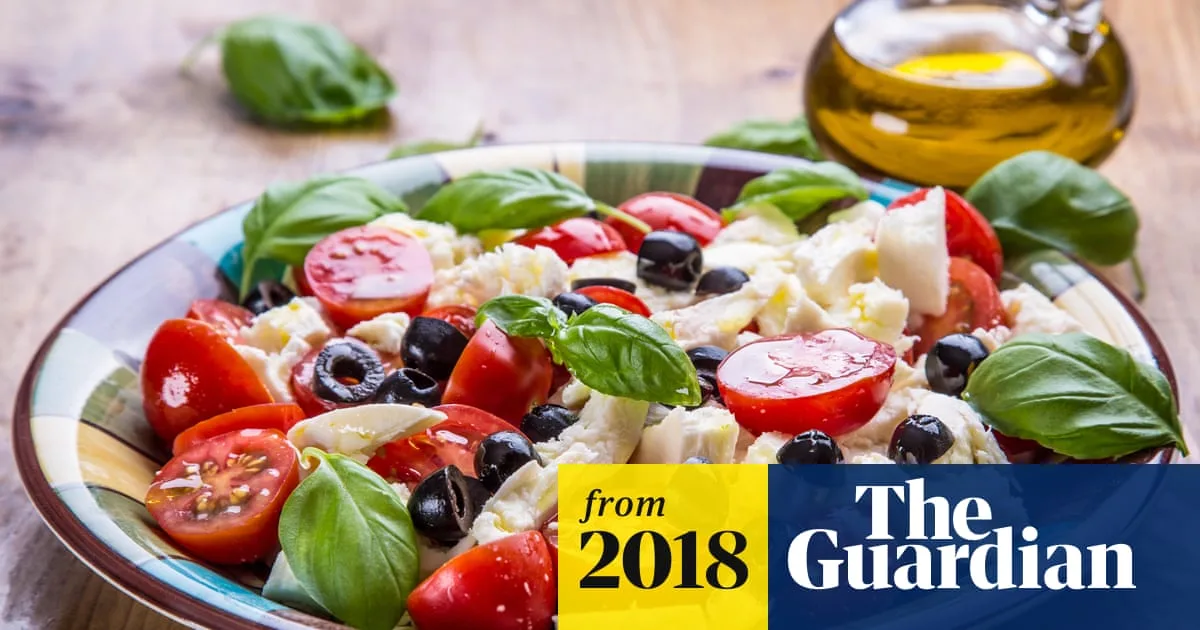
The traditional Mediterranean diet, once hailed as one of the healthiest in the world, has all but disappeared among children in southern Europe, according to the World Health Organisation. Data from the WHO's Childhood Obesity Surveillance Initiative reveals that children in Cyprus, Greece, Spain and Italy now have some of the highest obesity rates in Europe, with over 40% of nine-year-olds in these countries either overweight or obese. In Cyprus, the figure reaches 43%.
Dr Joao Breda, head of the WHO European office for prevention and control of noncommunicable diseases, stated at the European Congress on Obesity in Vienna that 'the Mediterranean diet is gone' for children in these regions. He noted that Swedish children are now more likely to consume fish, olive oil and tomatoes than their southern European counterparts. The shift has been driven by an increase in sweets, junk food and sugary drinks, replacing the traditional diet rich in fruit, vegetables, fish and olive oil.
Physical inactivity is also a significant factor, particularly in southern Europe. Breda highlighted that a man in Crete in the 1960s would need 3,500 calories due to his active lifestyle, but today's children are far less active. The WHO data, collected between 2015 and 2017, shows that children in southern Europe consume few fruits and vegetables, drink large amounts of sugary colas and other sweet beverages, and eat too much salt, sugar and fat.
Countries with the lowest child obesity rates include France, Norway, Ireland, Latvia and Denmark, where rates range from 5% to 9%. The UK does not submit data to the study, but it is estimated that about one in three children are overweight or obese by the time they leave primary school at age 11.
Despite the dire situation, there are signs of progress. At least three-quarters of Italian children now eat fruit daily or most days. Breda acknowledged that Mediterranean countries recognise the problem and are taking steps to address it, saying 'there is progress.' However, he stressed that recovering the Mediterranean diet is essential to combat the crisis.




