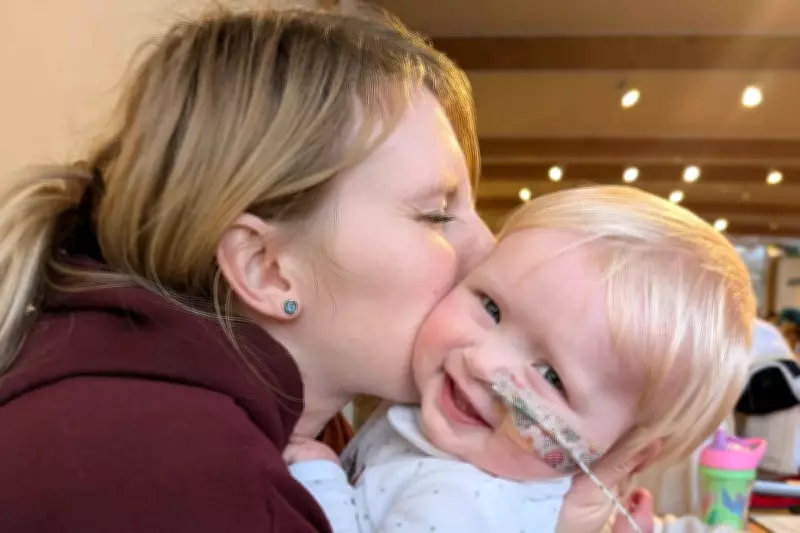
A family from Brechin, Angus, is engaged in a desperate search for a diagnosis for their 14-month-old daughter, Elyza, who is battling a mysterious and undiagnosed illness. The symptoms first emerged when Elyza was just two months old, and they have persisted, creating significant challenges for the young child and her family.
Symptoms and Impact on Development
Elyza's condition includes persistent sickness, poor feeding, diminished muscle tone, and chronic fatigue. These symptoms have led to substantial developmental delays, affecting her growth and overall well-being. The family has described the illness as resembling "floppy infant syndrome," a term often used for conditions involving low muscle tone in infants.
Family's Sacrifices and Hospital Stays
Her mother, Yasmin Whittington, 30, has made the difficult decision to leave her job to provide full-time care for Elyza. This sacrifice underscores the severity of the situation, as Elyza has spent over three months of her young life in hospital, undergoing various tests and treatments in an effort to identify the underlying cause of her symptoms.

Support from The Archie Foundation
The family has received vital support from The Archie Foundation, a charity dedicated to improving children's healthcare. This support has included practical assistance, such as providing a special car seat for Elyza, which helps ensure her safety and comfort during travels. The foundation's role has been crucial in alleviating some of the burdens faced by the family during this challenging time.
Fundraising Efforts and Future Plans
In a show of resilience and gratitude, Ms Whittington is participating in Glasgow's Kiltwalk challenge to raise money for The Archie Foundation. This fundraising initiative aims to support the charity's ongoing work in helping children like Elyza. Additionally, the family has plans for another fundraising event later this year, highlighting their commitment to giving back and raising awareness about undiagnosed illnesses in infants.
The family's story sheds light on the struggles faced by many families dealing with rare or mysterious medical conditions, emphasizing the need for continued research and support in pediatric healthcare.