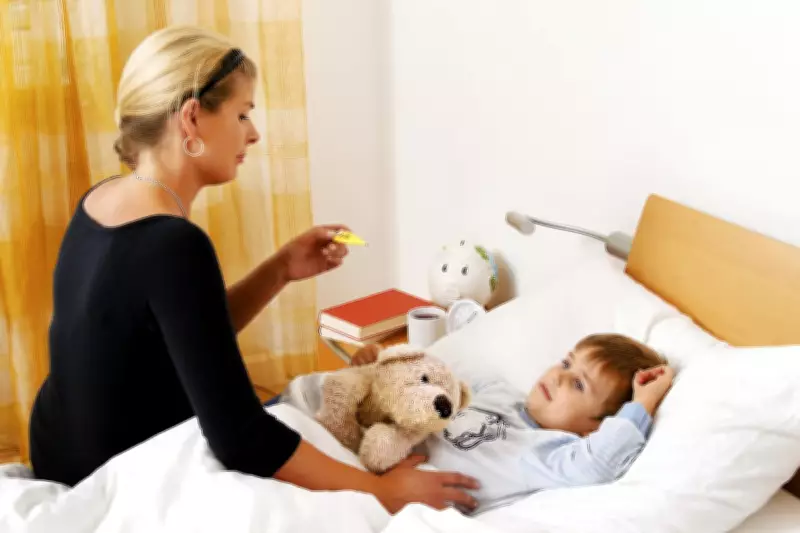
Nursery Illnesses: A Guide for Parents on Common Childhood Ailments
Parents sending their children to nursery for the first time should prepare for a challenging year of frequent illness, but groundbreaking research offers a reassuring perspective. This early exposure to common infections actually builds crucial resilience that benefits children throughout their school years and beyond.
The Science Behind Nursery Immunity
A comprehensive collaborative study conducted by experts from University College London, the University of Cambridge, Cornell University, and North Middlesex University Hospital has revealed important findings about early childhood health. The research, which analysed immunology, infectious disease genomics, and epidemiology data, indicates that toddlers and pre-schoolers are likely to encounter approximately 15 different illnesses during their initial year of formal childcare.
The research suggests that during this critical period, children can anticipate an average of 12 respiratory illnesses, such as coughs and colds, two episodes of diarrhoea or vomiting, and at least one illness presenting with a distinctive rash. This pattern of infection, while concerning for parents, serves an important developmental purpose.

Expert Perspective on Normal Childhood Development
Dr Arindam Das, a Doctify-rated consultant paediatrician, confirms that frequent illness represents a normal part of early childhood development. "It's very normal, especially in the first year of nursery, for children to be unwell pretty frequently," he reassures parents. "When young children pick up these minor infections, their immune system is learning how to fight infections effectively. Catching these bugs is actually a normal and necessary part of childhood development."
Dr Das highlights six common ailments that children frequently encounter in nursery settings, providing parents with essential knowledge about symptoms, treatments, and when to seek medical assistance.
Common Nursery Illnesses Explained
Coughs and Colds
These represent the most prevalent infections in nursery environments. "The most common infections that children pick up at nursery are coughs, colds, and fever," explains Dr Das. Most colds in younger children typically resolve within two weeks without medical intervention. The NHS advises ensuring children drink plenty of fluids and suggests saline nose drops to alleviate stuffy noses. Dr Das stresses the importance of hygiene practices: "Good hand hygiene represents the most effective measure to prevent many of these infections because they spread via droplets and touch. Teaching children to wash their hands properly and to cover their mouth and nose when coughing or sneezing is really important."
Fever Management
While often causing concern for parents, Dr Das explains that a fever itself does not necessarily indicate serious illness. "You need to look at the whole picture. A fever is a sign or symptom that the child's body is fighting an infection effectively." High temperatures usually return to normal within one to four days and can often be managed successfully at home. However, parents should contact NHS 111 or their general practitioner if the child develops additional symptoms like a rash, if the fever persists for five days or more, or if they show signs of not eating properly or appearing dehydrated.
Tummy Bugs and Gastrointestinal Infections
Gastrointestinal infections represent another common challenge in nursery settings. "We also see a lot of tummy bugs in nursery school-age children," Dr Das notes. He describes the typical progression: "For a tummy bug, the most common scenario involves vomiting initially, then after a few days diarrhoea usually begins. This represents a natural progression, and parents shouldn't be unduly alarmed." Most tummy bugs can be managed at home with adequate hydration, and paracetamol or ibuprofen can provide comfort. However, parents should seek medical help if their child becomes very drowsy or lethargic, is not drinking enough fluids, or is passing very little urine. The NHS advises calling 111 for children under five with signs of dehydration, persistent vomiting, bloody diarrhoea, or diarrhoea lasting over seven days.

Conjunctivitis Variations
This eye inflammation can manifest in viral, bacterial, or allergic forms. "If your child has reddening of the eyes and has some watery discharge, then this is most likely to be a viral infection," Dr Das explains. Allergic conjunctivitis primarily causes itching, while bacterial forms present with more purulent, thick, yellowy discharge and the child may appear generally unwell. For minor or viral cases, frequent eye watering and paracetamol for discomfort are recommended. Over-the-counter eye drops also represent an option. A GP should be consulted if symptoms do not clear within seven days or if a baby develops red, sticky eyes.
Hand, Foot and Mouth Disease
This viral illness typically presents with a mild to moderate temperature and characteristic rashes. "The other hallmark symptom involves rashes on the hand, foot or mouth. There doesn't necessarily have to be rashes on all three places, but they usually appear on at least two of these areas," says Dr Das. The rashes are blanching, meaning they fade when pressed, and the child usually feels reasonably well between fever episodes. Mouth ulcers, loss of appetite, and a sore throat are also common. The NHS recommends cool fluids and soft foods, avoiding hot, salty, or spicy items. Parents should contact their GP if symptoms do not improve after seven to ten days.
Chickenpox Patterns
Dr Das observes an increase in younger children contracting chickenpox in recent years. The main symptom involves an itchy, spotty rash. "One typical characteristic of a chickenpox rash is that spots emerge at different times and they look different - we call this 'pleomorphic', which means they come out in crops," he explains. The rash often starts on the face, with new spots appearing on the body while older ones on the face are already changing. Chickenpox is usually self-resolving, but the intense itch can prove distressing. Paracetamol or age-appropriate antihistamines can provide relief. Medical attention becomes necessary if the rash becomes yellowy, shows pus, or bleeds. NHS 111 should be contacted if a child with chickenpox shows signs of dehydration.
When to Keep Children Home
Regarding when to keep children home from nursery or school, Dr Das offers clear guidance: "The standard guidelines for vomiting or diarrhoea advise parents not to send their child to school or nursery until 48 hours after the symptoms have completely stopped." He also suggests keeping children home if they are actively coughing and sneezing, not only for their own wellbeing but to prevent wider transmission within the nursery community. The NHS also recommends keeping children with a high temperature off school until it subsides completely.
Dr Das concludes with practical advice: "I fully understand the logistical challenges around keeping children at home, so I would advise parents to use their common sense to judge whether the child is safe and whether they are following official guidelines or specific school policies."