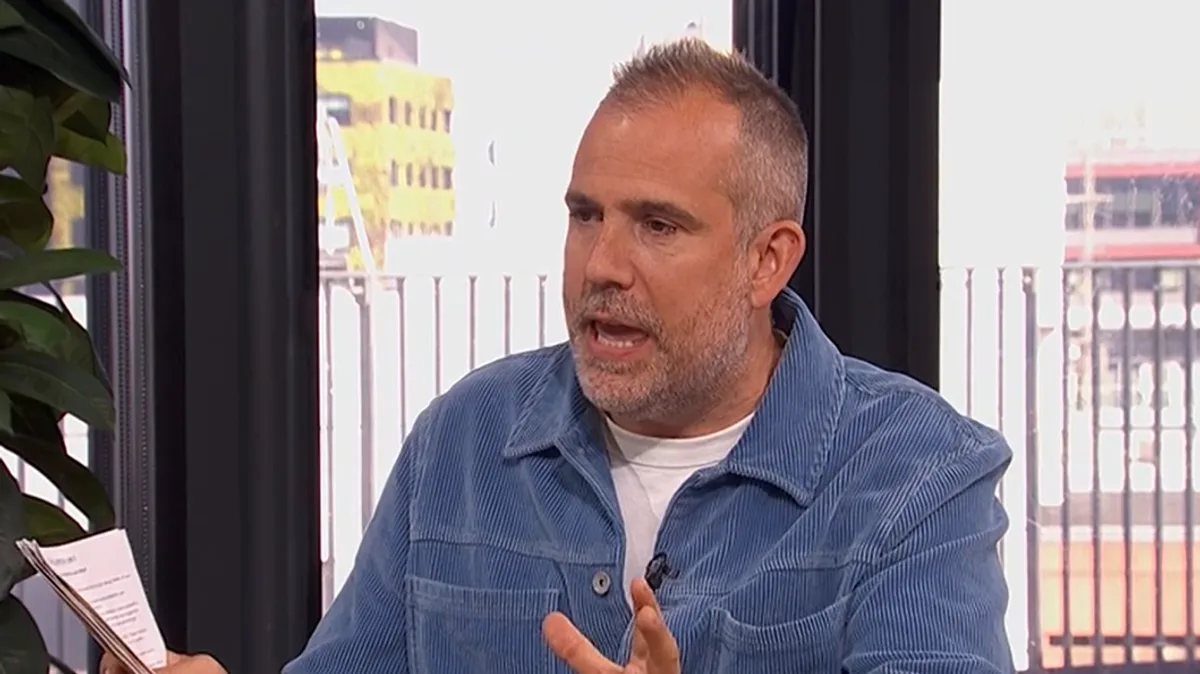
A BBC medical expert has issued a crucial verdict on the widely prescribed medication Omeprazole following a study suggesting that too many people are taking it unnecessarily. Speaking on BBC Morning Live, Dr Xand van Tulleken addressed concerns raised by recent research indicating that a significant number of users may not require the drug, but he also warned against abrupt discontinuation due to potential rebound effects.
Understanding Omeprazole and Its Uses
Omeprazole is a medication that reduces stomach acid production, commonly prescribed for conditions like acid reflux and heartburn. It belongs to a class of drugs known as proton pump inhibitors (PPIs). Many patients take it to protect the stomach from other medications, such as aspirin or ibuprofen, which can increase the risk of bleeding. Dr Xand emphasised that Omeprazole is one of the most widely used drugs globally, comparable to statins, and is generally considered safe when used appropriately.
Key Risks of Long-Term Use
Dr Xand acknowledged that long-term or high-dose use of Omeprazole can carry certain risks, including nutritional deficiencies, kidney stress, bone fractures, and gastrointestinal infections. However, he stressed that these risks are relatively small. “The data say they are very, very safe drugs,” he said, pointing to a 0.4% increased risk of gut infections, which is outweighed by the benefits of preventing dangerous bleeds and reducing cancer risk.
Study Findings on Overprescription
The discussion was prompted by a study from the Functional Gut Clinic, reported in The Telegraph, which found that 66% of people with suspected acid reflux had normal acid exposure levels and therefore did not have the condition. This suggests that many may be taking Omeprazole unnecessarily. Dr Xand commented, “The number one thing I want people to remember is these medications are extremely safe. They are blockbuster drugs taken by billions worldwide.”
Advice on Safe Use and Discontinuation
Dr Xand cautioned against stopping Omeprazole suddenly, as this can cause a rebound overproduction of acid, worsening symptoms. He advised patients to consult their GP before making any changes. “If you’re taking any medication that you don’t know what it is, what it’s for, you’ve been taking for a long time without a review, do go and talk to your GP,” he said. Regular reviews are essential to ensure the medication remains necessary.
Lifestyle Tips for Managing Acid Reflux
For those experiencing acid reflux, Dr Xand offered practical advice beyond medication. He recommended eating smaller portions, avoiding lying down after meals, loosening tight clothing, and identifying trigger foods such as coffee, curry, chocolate, or high-fat items. He also suggested raising the head of the bed by a few degrees using a thick book or brick to reduce nighttime reflux. “These simple changes can make a big difference,” he noted.
Final Verdict from Dr Xand
Dr Xand concluded that while the study highlights potential overuse, the evidence does not support alarming headlines. “The evidence does not stack up to believe this headline at all,” he said, urging the public not to panic. He reiterated that Omeprazole is safe and effective when used correctly, but regular medical reviews are crucial to avoid unnecessary long-term use.






