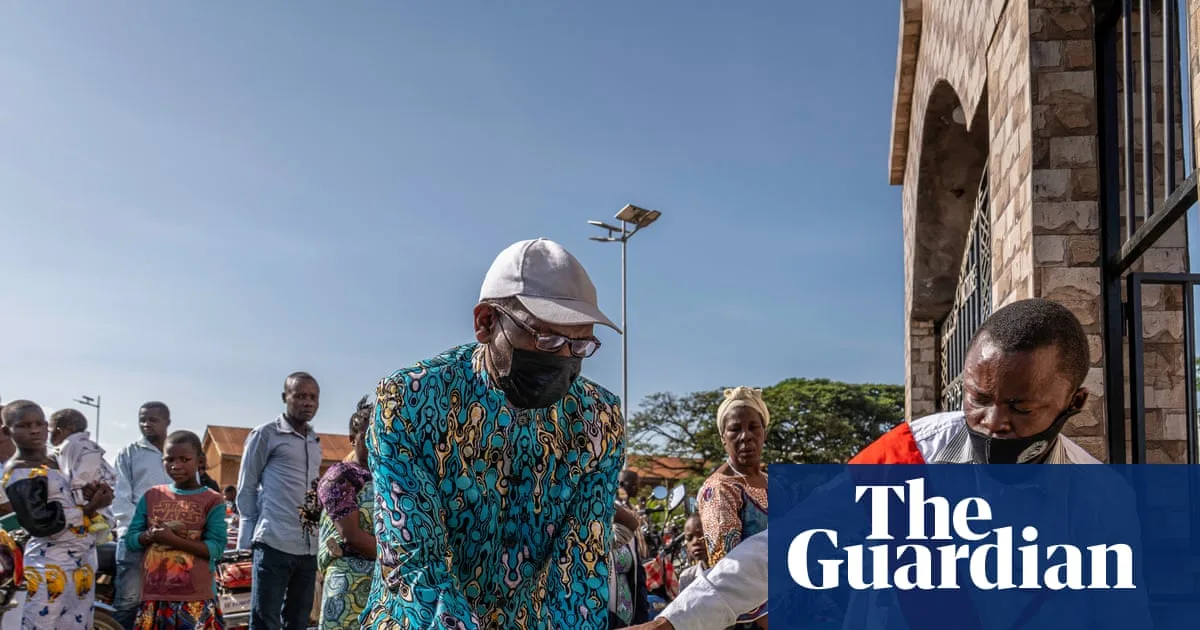
The World Health Organization has warned that the Ebola outbreak in the Democratic Republic of the Congo could escalate into an epidemic, with a death rate of between 30% and 50%. WHO Director-General Tedros Adhanom Ghebreyesus arrived in the DRC on Thursday to support containment efforts, calling for a ceasefire among armed groups to prevent further deaths from the preventable disease.
Anaïs Legand, from the WHO’s high threat pathogens team, described the revised death rate as “huge,” meaning up to five out of ten people are likely to die. She confirmed that a patient had recovered and been discharged on 27 May after two negative tests, the first confirmed recovery in the outbreak. The WHO has recorded 10 confirmed and 223 suspected Ebola deaths among over 1,000 cases since the outbreak was declared on 15 May.
The true scale may be larger, as the virus is believed to have circulated undetected for some time. The outbreak is centred on the mineral-rich Ituri province, where armed groups, including the Rwanda-backed M23, are active. Tedros appealed for a ceasefire, stating, “No cause, no conflict, no grievance is worth condemning innocent people to death from a preventable disease.” Over 245,000 people have fled eastern DRC since January 2025.

There is no approved treatment for the Bundibugyo strain responsible for the outbreak, but the WHO has recommended clinical trials of vaccines and treatments. The African Union’s health agency head said a vaccine could be ready by the end of the year. Neighbouring Uganda, which has recorded one Ebola death and eight cases, announced it would close its border with the DRC, a move the WHO warned could drive up informal crossings and hinder monitoring.
In Kenya, the high court suspended plans to establish a quarantine facility for affected US citizens, citing constitutional concerns. The Kenyan rights group Katiba Institute challenged the deal, arguing it raised issues regarding rights to life and health. Health officials said the facility could strain Kenya’s healthcare system, and the country’s main medical union threatened strike action unless the agreement terms were released.