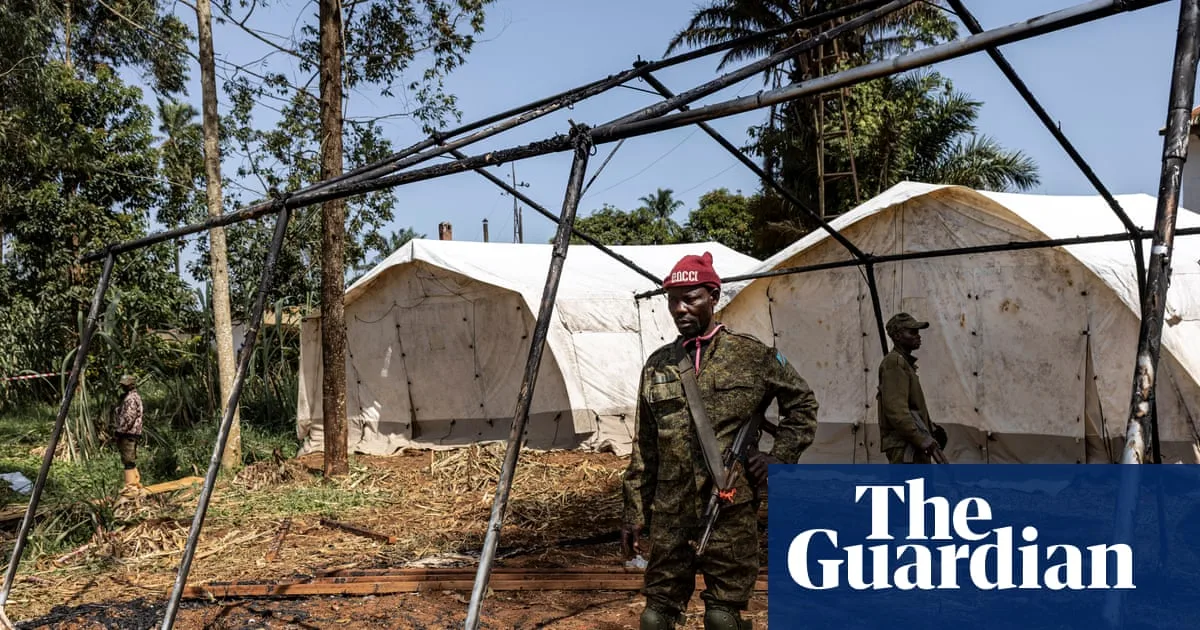
The head of the World Health Organization has called for an immediate ceasefire in the eastern Democratic Republic of the Congo to help tackle the Ebola outbreak there, as Uganda closed its border with its neighbour in an effort to stop the spread. Tedros Adhanom Ghebreyesus warned of a 'catastrophic collision of disease and conflict', posting on social media that the outbreak in Ituri province was outpacing the response.
The number of suspected cases in eastern DRC is nearing 1,000, with at least 220 suspected deaths. The country's health ministry said on Tuesday that 101 cases had been confirmed, and it was looking into more than 3,000 possible contacts. In Uganda, there were seven confirmed cases and one death as of Sunday, WHO data showed. Aid group Save the Children said on Wednesday that a quarter of the confirmed deaths were children, calling for infection prevention measures to be urgently scaled up.
Aid groups are rushing staff and equipment to eastern DRC but attacks on medics due to community distrust have hampered efforts. The outbreak was confirmed on 15 May in Ituri, the DRC's most north-eastern province, which borders South Sudan and Uganda. Diana Atwine, a senior Ugandan health official, told a press conference on Wednesday that Uganda's border would be closed for four weeks, except to Ebola response teams, humanitarian and security operations and food and cargo transport. Any person authorised to enter Uganda from the DRC would be required to undergo mandatory self-isolation for 21 days.

Eastern DRC has a number of armed groups. Though the government still largely controls Ituri, insecurity had been worsening there before the Ebola outbreak. Almost 1 million people in the province have been displaced by conflict, according to the UN humanitarian office. The outbreak has spread south to rebel-held areas of North Kivu and South Kivu provinces, where the Rwandan-backed M23 group controls large swathes of the region. Tedros said: 'Stopping this Ebola transmission depends entirely on humanitarian access. Yet ongoing clashes are driving mass displacement, pushing exposed contacts into overcrowded camps and severing critical containment corridors.'
A doctor in Butembo, North Kivu – where there have been six deaths out of seven cases of Ebola – told Reuters they had only two body bags left, amid shortages of equipment. The doctor also reported critical shortages of soap, chlorine and personal protective gear including boots, body suits, masks and gloves, and said foreign aid cuts to international and local NGOs were partly to blame. The response to the outbreak has been complicated by the transient nature of many communities in Ituri, where goldmines attract migrant workers, as well as by international aid cuts.