Scientists warn that the El Niño weather phenomenon this year is likely to be particularly intense, potentially reaching 'super' status. This natural event, driven by warmer sea surface temperatures in the Pacific Ocean, could bring extreme weather, higher food prices, and increased health risks to North America.
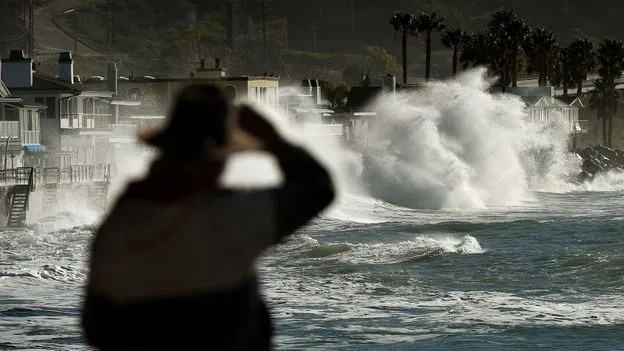
Forecasters predict a 63% chance of sea surface temperatures exceeding 2°C above normal later this year, which would classify it as a 'very strong' or 'super' El Niño. The southern US is expected to experience wetter and stormier conditions, raising the risk of flooding and more frequent atmospheric rivers. In contrast, the northern states and Pacific Northwest will face hotter and drier weather, with reduced snowfall.
The weather changes could also spread infectious diseases by creating favourable breeding conditions for mosquitoes and other pests. During the 2015-2016 super El Niño, outbreaks of West Nile virus, hantavirus, and plague increased in parts of the US.

While the Atlantic hurricane season is expected to be quieter than normal due to increased wind shear, Pacific hurricane activity is likely to increase, mainly affecting western Mexico and potentially Hawaii. Scientists note that the frequency of strong El Niño events may rise due to climate change, exacerbating drought, heavy rainfall, and heatwaves.