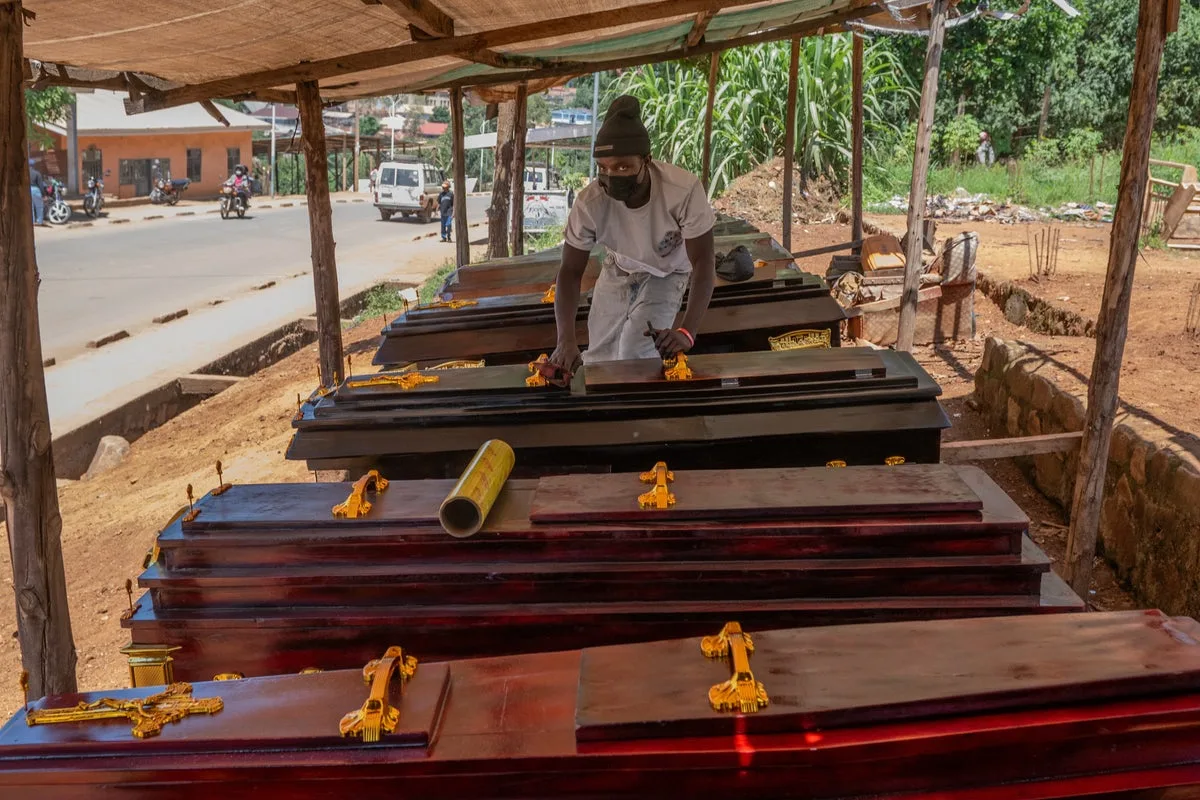
In eastern Congo, Red Cross volunteer Vanny Birungi faces a dual threat as she works to raise awareness about the latest Ebola outbreak. With suspected cases nearing 1,000, she confronts not only the rare Bundibugyo strain of the virus—for which there is no vaccine or treatment—but also the anger and suspicion of residents who have subjected her to stone-pelting and verbal abuse in Bunia, the epicentre.
“We continue to tell them that the disease is out there. Some accept, and others don’t,” Birungi told The Associated Press. Aid workers operate in a region long plagued by armed groups, where thousands have been killed and many more displaced, fostering deep distrust among a traumatised population wary of outsiders. This suspicion is compounded by weakened disease surveillance, attributed in part to US and other aid cuts.
Pierre Basola, a 56-year-old Bunia resident, declared: “These people should stop bothering us. They just want to get rich. Let’s not forget that Ebola is a white man’s invention.” This sentiment fuels a dangerous environment for those attempting to contain the rapidly spreading disease, which experts believe was discovered weeks too late.
The escalating crisis has seen healthcare facilities repeatedly targeted. In the past week alone, three attacks have occurred. On Sunday, angry young men stormed a hospital treating Ebola patients, forcing medical staff to evacuate amid gunfire. The day before, a Doctors Without Borders tent in Mongbwalu was set ablaze by residents, leading to the escape of over a dozen suspected patients. A centre in Rwampara was also burned after relatives were prevented from retrieving the body of a man suspected to have died from Ebola.
“Trust is almost as important as the health response,” explained Heather Kerr, country director for the International Rescue Committee in Congo. The outbreak now accounts for over 900 suspected cases and more than 220 suspected deaths, according to Tedros Adhanom Ghebreyesus, director general of the World Health Organisation, who stated: “We are now playing catch-up with a very fast-moving epidemic.”
Most alarmingly, the International Federation of Red Cross and Red Crescent Societies believes three volunteers died in Mongbwalu after handling bodies on 27 March during work unrelated to Ebola. If confirmed, this would significantly underscore the risks faced by health workers in the region.