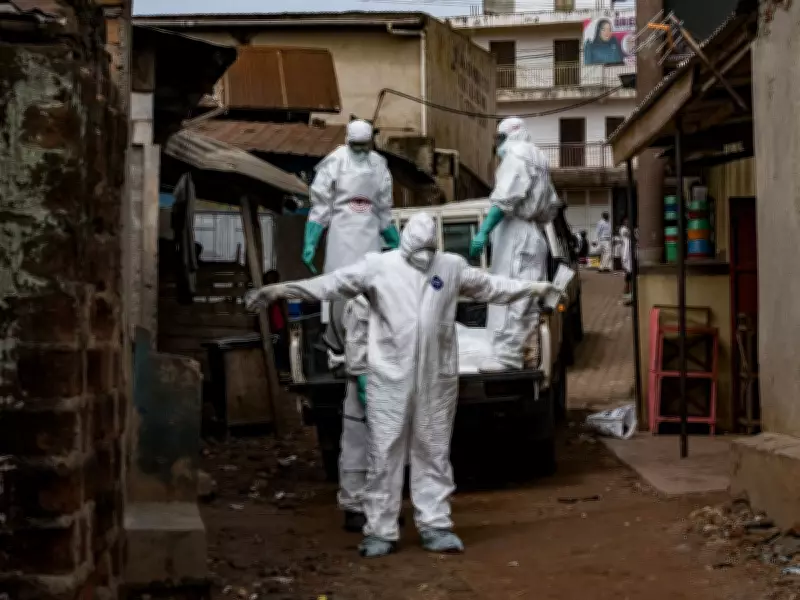
Health care workers in the Democratic Republic of Congo have revealed that the latest Ebola outbreak may have been spreading unchecked since January, with patient zero traced back to a village in the eastern part of the country. Local medics in Rwampara admitted that a patient treated at a local hospital in late January died in February, after infecting eight healthcare workers. This information was reportedly withheld from international NGOs until last week, suggesting the virus has had months to circulate undetected.
Scale of the Outbreak
The 2026 outbreak is now the third-largest Ebola outbreak ever recorded, with at least 1,077 suspected cases and 223 deaths linked to the rare Bundibugyo strain. Nine cases have also been confirmed in neighbouring Uganda. The Congolese Ministry of Health only officially confirmed the outbreak on May 15, meaning the virus may have been spreading for over four months before official recognition.
Previously, the World Health Organization believed the index case was a healthcare worker in Bunia who developed symptoms on April 25. The new information suggests the outbreak began much earlier, raising concerns about the true scale of the epidemic.

Contact Tracing Challenges
Only 20 per cent of known close contacts of Ebola patients have been traced since the official outbreak date in April. Thousands remain unaccounted for, and experts fear the actual number of exposures could be far higher if the virus has been circulating since January. Rachel Howard, IRC Senior Technical Emergency Health Advisor, stated: "The true scale of this Ebola outbreak is likely far worse than official figures suggest. When four out of five contacts are not being traced, it becomes incredibly difficult to contain the outbreak or even understand its true scale." She also expressed concern about the virus spreading to other countries like Burundi or South Sudan.
Containment Efforts Hampered
Efforts to contain the outbreak have been hindered by volatile security situations, community mistrust, and conspiracy theories. Relatives blocked from burying their loved ones who died from Ebola have sometimes resorted to violence. Last week, a treatment centre in Rwampara run by Médecins Sans Frontières was attacked by people trying to retrieve contaminated bodies.
Nearly one million people have been displaced by conflict in the DRC's Ituri province, the epicentre of the outbreak. Armed groups, rebels linked to the Islamic State, and community militias regularly carry out massacres in the region, complicating response efforts.
International Response
WHO Director-General Tedros Adhanom Ghebreyesus visited Ituri last week and called for more international support. Health workers on the ground lack basic supplies such as face masks, and the WHO has received only a fraction of the financial support needed. The British government pledged £21 million to the DRC last week, but critics note this is just five per cent of the aid sent by the UK to tackle the 2014 West Africa outbreak.
The US has also cut aid under the Trump administration, withdrawing funding from WHO, dissolving USAID, and reducing health aid to the DRC and Uganda. These cuts have weakened global health systems essential for responding to outbreaks like the current one.