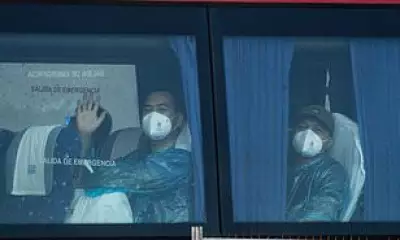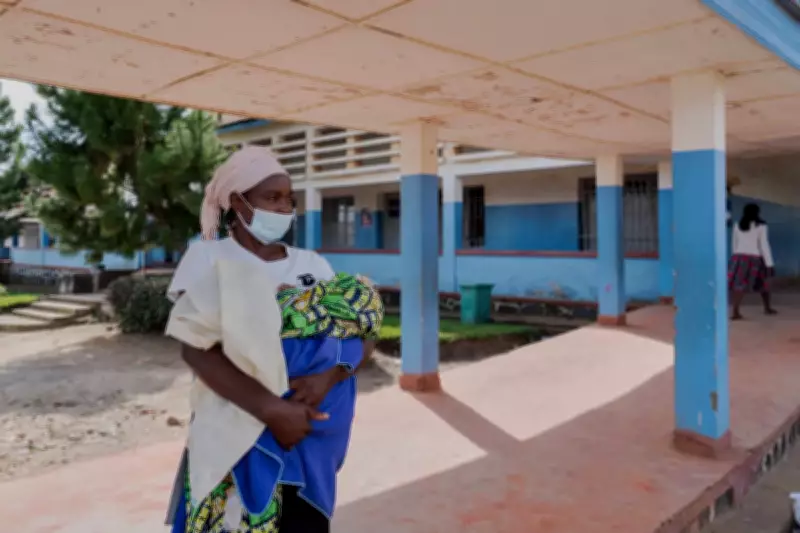
The Congolese health ministry reported at least 131 deaths and over 500 suspected cases in the ongoing Ebola outbreak in eastern Congo on Tuesday, as the World Health Organization's head expressed concern over the “scale and speed of the epidemic.”
Delayed Detection Complicates Response
Health experts and aid workers stated that the virus spread undetected for several weeks since the first death, and the delayed response is now hampering efforts to contain the outbreak. Congo’s health minister, Samuel Roger Kamba, reported 513 suspected cases and 131 deaths, though he noted that investigations are ongoing to confirm which deaths are Ebola-related. These figures represent a sharp increase from Monday’s 300 suspected cases, highlighting the uncertain scale of the outbreak.
WHO Expresses Deep Concern
WHO Director-General Tedros Adhanom Ghebreyesus expressed deep concern about the epidemic's scale and speed, citing urban cases, healthcare worker deaths, population movement, and a lack of vaccines and therapeutics. The WHO declared the outbreak a public health emergency of international concern on Sunday.

Rare Ebola Variant
Health authorities confirmed the outbreak is caused by the Bundibugyo virus, a rare Ebola variant with no approved treatments or vaccines. Cases have been reported in Bunia, Goma, Mongbwalu, Butembo, and Nyakunde, with one case and one death in Uganda linked to travel from Congo.
American Doctor Among Cases
An American doctor, Dr. Peter Stafford, is among the cases in Bunia, according to Dr. Jean-Jacques Muyembe. Stafford developed symptoms while treating patients and is working with the organization Serge. Three other Serge employees at the same hospital, including Stafford’s wife, are not showing symptoms.
False Negatives Delayed Response
The first death occurred on April 24 in Bunia, and the body was repatriated to Mongbwalu, a mining area. When another person fell ill on April 26, samples were sent for testing but initially tested negative for the common Zaire Ebola strain, leading authorities to assume it was not Ebola. On May 5, the WHO was alerted of about 50 deaths in Mongbwalu, including four health workers, prompting further tests. The first Ebola confirmation came on May 14.
Matthew M. Kavanagh, director of the Georgetown University Center for Global Health Policy and Politics, criticized the false negative tests, stating, “we are playing catch-up against a very dangerous pathogen.” He also criticized the Trump administration’s withdrawal from the WHO and foreign aid cuts, which affected surveillance systems. The U.S. State Department defended its response, noting $13 million in assistance.
Worrying Situation
Esther Sterk of Medecins Sans Frontieres described the situation as “quite worrying” and evolving quickly, with late detection being common in Ebola outbreaks due to similar symptoms to other tropical diseases.
Ebola Transmission and Symptoms
Ebola is highly contagious through bodily fluids like vomit, blood, or semen. The disease is rare but severe and often fatal. During a major outbreak over a decade ago, many infections occurred during community funerals. Dr. Craig Spencer, an Ebola survivor, noted that Ebola impacts those caring for the sick. Symptoms include fever, headache, muscle pain, weakness, diarrhea, vomiting, stomach pain, and unexplained bleeding or bruising.
The rising caseload has fueled panic in Bunia. Resident Noëla Lumo, who previously lived in Beni, began making protective masks by hand, saying, “I know the consequences of Ebola.”
Humanitarian Crisis in Eastern Congo
Ituri’s Mongbwalu is in remote eastern Congo with poor road networks. The region faces a humanitarian crisis and armed group threats that have killed dozens and displaced thousands. U.N. staff have been asked to work from home and avoid crowded areas. Ituri has over 273,000 displaced people out of a population of 1.9 million.