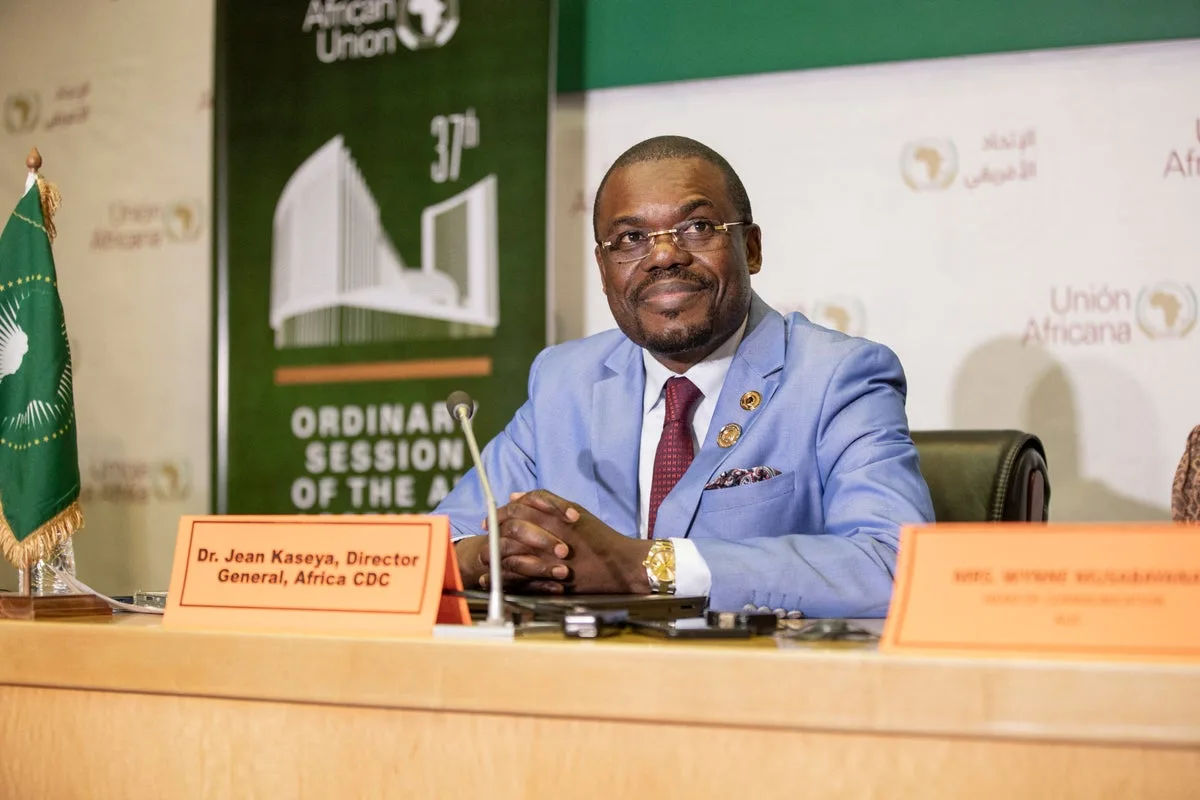
Dr Jean Kaseya, director general of the Africa Centres for Disease Control and Prevention (Africa CDC), has described recent cuts to international aid by countries including the US and UK as “painful” but also an “opportunity” for African nations to build sovereign health systems. Speaking to The Independent, he urged governments to tackle corruption and raise domestic taxes to fund healthcare.
The UK has announced plans to cut overseas aid by 40 per cent over three years, while the US has made deeper reductions. Dr Kaseya said African countries must “wake up and act” rather than “sit and cry”. He highlighted that corruption in procurement of drugs and equipment, as well as “ghost workers” on payrolls, drain resources. In some countries, up to 40 per cent of civil servants may be ghost workers, costing the Democratic Republic of the Congo (DRC) $800m annually.
Despite the challenges, Dr Kaseya noted progress: one country introduced a new tax system to fund health after losing Gavi support. He also pointed to growing local manufacturing, with over 500 medical manufacturers in Africa, including in South Africa, Egypt, Rwanda and Senegal. The continent is moving towards self-reliance in syringes, and 97 per cent of antibiotics are now bought locally in some nations.

However, he warned that aid cuts have compromised responses to disease outbreaks. In the DRC, Mpox testing rates fell from 60 per cent to 32 per cent when donors failed to fulfil pledges. He stressed that without aid, the burden falls on the poor, who already pay the majority of health costs out of pocket. “The government is not increasing the budget. It means it’s these same people who must increase their out of pocket [spending],” he said.
Dr Kaseya remains optimistic, calling for a focus on domestic funding, local manufacturing, and pandemic preparedness. “When we do that, we start a conversation with our brothers and sisters from around the world: ‘Do you still think that you have to dictate to us how we can sit and talk together?’” he said, calling for reform of the global health architecture.