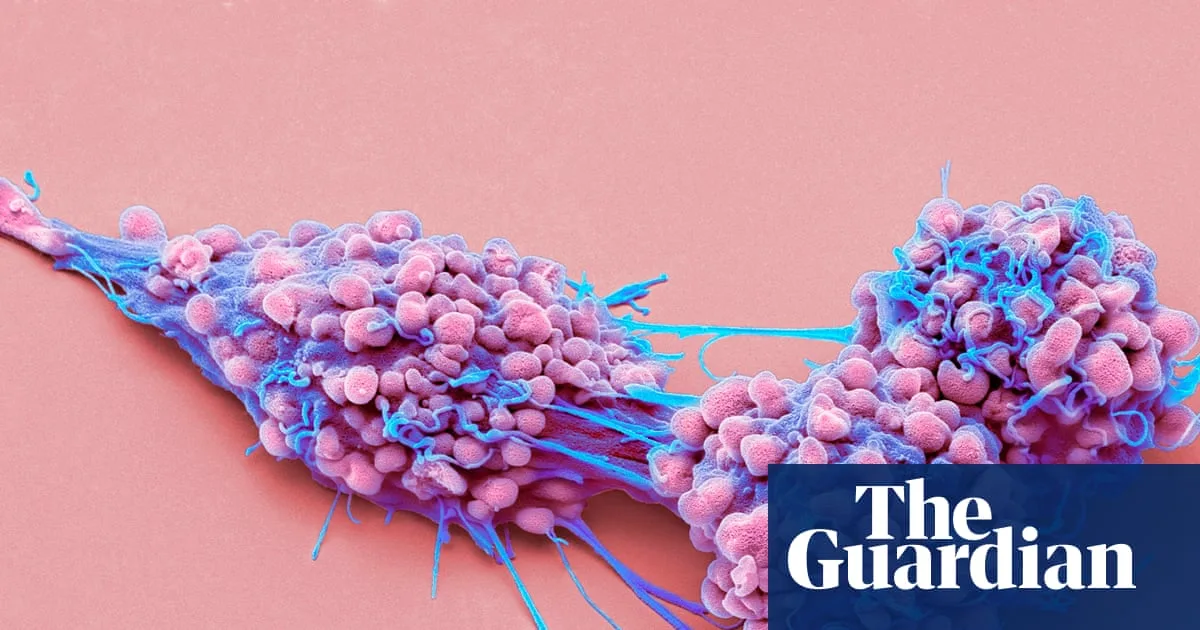
A life-prolonging drug for advanced ovarian cancer has received approval for use in England, marking the first new treatment for chemotherapy-resistant ovarian cancer to be approved by the NHS in over two decades. Hundreds of women with hard-to-treat ovarian cancer can now access this new therapy, which offers hope for extended survival and improved quality of life.
Ovarian Cancer: A Global Challenge
Ovarian cancer is the 18th most common cancer worldwide, affecting more than 300,000 women annually. Over three-quarters of patients are diagnosed at an advanced stage, making treatment particularly challenging. Standard care typically involves surgery and chemotherapy, but around 80% of patients with advanced disease experience relapse, and most eventually develop resistance to chemotherapy.
Limited Options for Resistant Disease
According to the National Institute for Health and Care Excellence (NICE), patients with folate receptor-alpha-positive platinum-resistant epithelial (FRα) cancers have had limited options when their tumours stop responding to standard chemotherapy. Until now, there were few effective treatments for this group.
Elahere: A Targeted Therapy
NICE has now approved mirvetuximab soravtansine, marketed as Elahere, for patients with epithelial ovarian, peritoneal, or fallopian tube cancer that has become resistant to platinum-based chemotherapy. The drug targets tumours containing the FRα protein, which is present in a subset of cancers.
Elahere is administered intravenously once every three weeks. A global clinical trial involving eight NHS hospitals demonstrated that the treatment delays cancer progression and prolongs survival by an average of four months compared to chemotherapy alone, with more manageable side effects. In over a third of patients (37%), tumours shrank by at least 30%, compared to 16% with chemotherapy.
Impact on Patients
NHS England estimates that up to 400 women per year in England could benefit from this new treatment. Professor Ruth Plummer, NHS England’s national clinical lead for cancer drugs, described the approval as a major breakthrough. “This represents the most significant breakthrough in NHS treatment for these hard-to-treat ovarian cancers in over two decades – and we’re delighted it will now offer hundreds of women much-needed hope of precious extra time with their loved ones,” she said.
Rachel Downing, head of policy and external affairs at Target Ovarian Cancer, called the decision a hugely important moment. “Women with platinum-resistant ovarian cancer and their families have faced limited effective treatment options for far too long. Today’s announcement offers real hope of improved quality of life,” she stated.
Victoria Clare, chief executive of the charity Ovacome, added: “Today marks a landmark moment. Being told that platinum-based chemotherapy is no longer working can bring anxiety and uncertainty, particularly when the disease is at an advanced stage, where time and options are limited. This recommendation is the first in over 20 years to offer the ovarian cancer community an additional choice at a critical stage, with the potential to make a real difference to patients and their families.”
How Elahere Works
Manufactured by AbbVie, Elahere combines a homing antibody that seeks out the FRα protein on the surface of cancer cells with a cancer-killing molecule that destroys the cell from within. This targeted approach aims to minimise damage to healthy cells.
NICE Approval Process
Helen Knight, director of medicines evaluation at NICE, explained: “We heard clearly from patients and clinicians about the very limited options available at this stage of the disease and the substantial burden that chemotherapy places on women’s lives. We are pleased that, following a robust process and a new commercial arrangement with AbbVie, we are now able to recommend this treatment for NHS use.”
Experts have hailed the decision as a seminal moment that could significantly improve the quality of life for affected patients. The approval of Elahere represents a crucial step forward in the fight against ovarian cancer, offering new hope to those with limited treatment options.






