
Public Health Wales has reported a 7% increase in non-melanoma skin cancer cases over four years, with rates now the highest among UK nations. The number of cases rose from 13,369 in 2016 to 15,102 in 2019, prompting concern from health experts.
Non-melanoma skin cancer is the most common form of cancer in Wales, ahead of prostate cancer. While less serious than melanoma, it is primarily caused by overexposure to ultraviolet light from the sun, sunbeds, and sunlamps. The first symptom is typically a lump or discoloured patch on the skin that progresses slowly.
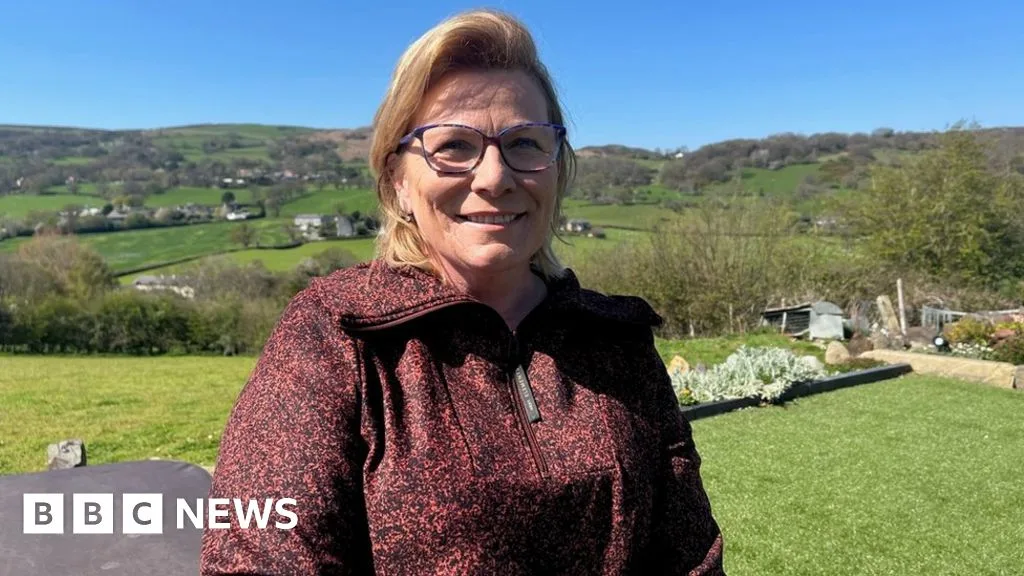
Beryl Roberts, a former head of nursing for cancer services at Betsi Cadwaladr health board, was diagnosed at age 49. She recalled spending time tanning on a dairy farm, saying, 'I wanted to look brown and look beautiful like most girls do.' She made a full recovery and noted, 'I was relieved that it was the best cancer to have. It's curable.'
Prof Dyfed Wyn Huws, director of the Welsh Cancer Intelligence and Surveillance Unit, described the figures as 'very concerning' and urged people to get new blemishes or moles checked early. Dr Jemma Collins of the British Association of Dermatologists attributed the rise to fair Celtic skin, the 'fashion' for tanning, and increased holidays abroad.
Dr Penelope Pratsou from the British Skin Foundation added that non-melanoma skin cancer incidence in the UK has more than doubled since the early 1990s, with around 180,000 new cases projected annually between 2023-2025. She recommended sun protection measures such as staying in the shade, wearing protective clothing, and using broad-spectrum sunblock.




