
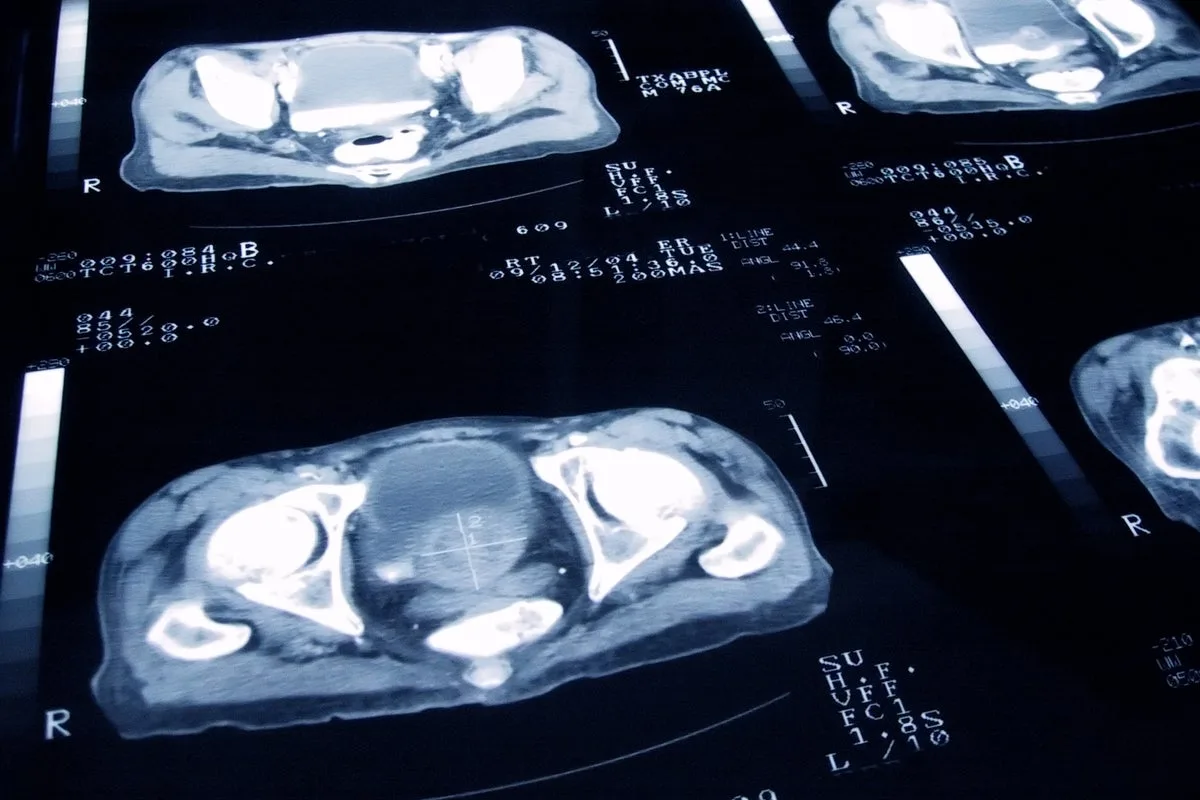
A new at-home saliva test for prostate cancer has shown potential to outperform current screening methods, according to a study published in the New England Journal of Medicine. The test, which analyses genetic variants from a spit sample, could improve early detection of aggressive forms of the disease.
Researchers at The Institute of Cancer Research, London, and The Royal Marsden NHS Foundation Trust developed a polygenic risk score that assesses 130 genetic variants linked to prostate cancer risk. In a trial involving 6,300 men aged 55 to 69, 745 (12%) were identified as high risk. Of the 468 who underwent further screening, prostate cancer was detected in 187 men, with 103 having higher-risk cancers requiring treatment.
The saliva test reduced false positives compared to the current prostate-specific antigen (PSA) blood test and identified cancers that would have been missed by PSA testing alone. Notably, 118 of the 187 men diagnosed had PSA levels below 3.0 µg/L, considered normal, meaning their cancers would not have been detected via standard UK diagnostic pathways. The test also detected a higher proportion of aggressive cancers and accurately identified cases missed by MRI scans.
Professor Ros Eeles, from the Institute of Cancer Research, said: 'With this test, it could be possible to turn the tide on prostate cancer. We have shown that a relatively simple, inexpensive spit test to identify men of European heritage at higher risk due to their genetic make-up is an effective tool to catch prostate cancer early.'
The findings come amid calls for a national prostate cancer screening programme in the UK. Professor Kristian Helin, chief executive of the Institute of Cancer Research, noted: 'With prostate cancer cases expected to double by 2040, it’s crucial to establish a robust way of picking up clinically significant cases at an earlier stage.' A separate trial directly comparing the saliva test to PSA and MRI is now underway.




