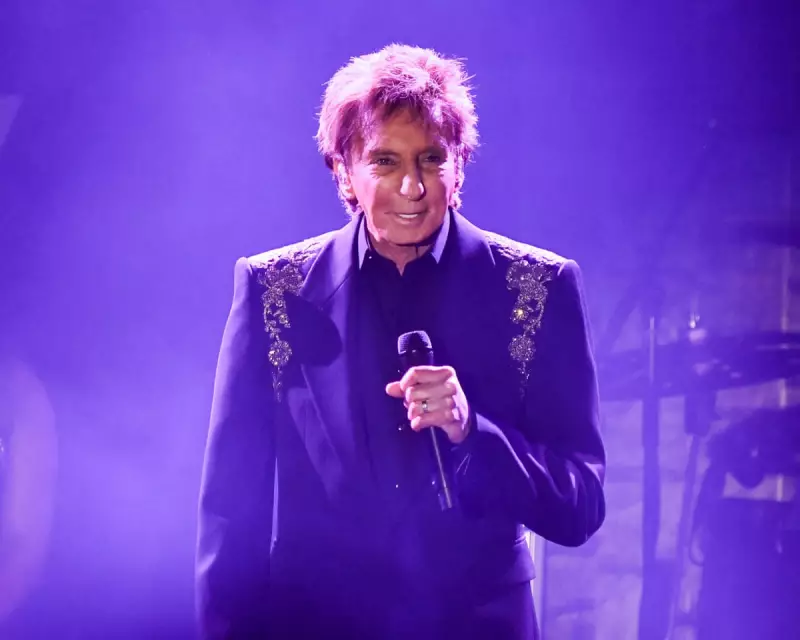
Iconic singer Barry Manilow has announced he has been diagnosed with lung cancer and will undergo surgery, leading to the postponement of several live performances.
Early-Stage Diagnosis and Treatment Plan
The 82-year-old music legend, famed for timeless hits like Copacabana and Mandy, stated the disease was caught in its early stages. He will have an operation to remove part of his lung. Manilow emphasised that doctors believe the cancer has not spread and that he will not require chemotherapy or radiation treatment.
In a social media statement, Manilow explained the discovery followed a prolonged bout of bronchitis. "Even though I was over the bronchitis and back on stage at the Westgate Las Vegas, my wonderful doctor ordered an MRI just to make sure that everything was OK," he wrote. "The MRI discovered a cancerous spot on my left lung that needs to be removed. It’s pure luck (and a great doctor) that it was found so early."

Show Rescheduling and Valentine's Day Goal
As a result of his diagnosis, the performer has rescheduled a series of upcoming concerts. However, he expressed strong optimism about his recovery timeline. Manilow is targeting a return to the stage for his Valentine's Day weekend concerts as part of his long-standing residency at the Westgate Las Vegas Resort and Casino, which is currently in its 16th year.
"I’m counting the days until I return to my home away from home at the Westgate Las Vegas," he said, adding that his recovery regimen would involve "just chicken soup and I Love Lucy reruns."
Personal Life and Support System
The singer, who came out as gay in 2017, has been married to his manager and long-term partner, Garry Kief, since a secret ceremony in 2014. The pair were in a relationship for more than 35 years before publicly acknowledging it.
In a 2023 interview, Manilow reflected on Kief's crucial support during the height of his fame in the 1970s, stating it prevented the loneliness of life on the road. "I didn’t have to go back to those empty hotel rooms. I had somebody to cry with or to celebrate with," he told CNN Max.