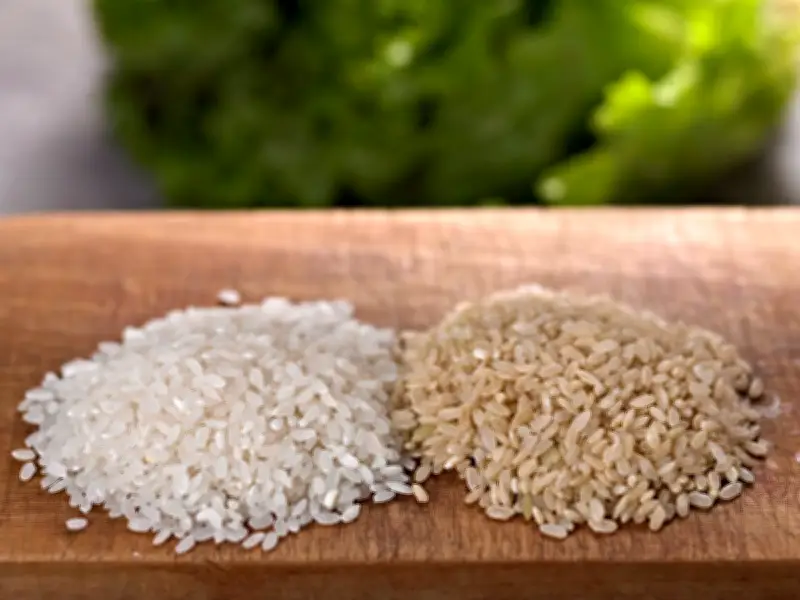
Brown rice is a whole grain containing all parts of the grain—fibrous bran, nutritious germ, and carb-rich endosperm—while white rice has the bran and germ removed, resulting in a softer texture and easier digestion but lower nutrient content.
Nutritional Differences
Brown rice delivers more fibre, magnesium, potassium, iron, and certain B vitamins compared to white rice. According to Harvard Health Publishing, choosing brown rice as part of a diet rich in fibre-filled whole grains is linked with a reduced risk of heart disease, type 2 diabetes, and better weight management.
White rice is lower in fibre, which can benefit people with irritable bowel syndrome or inflammatory bowel disease. The calorie content of both types is similar.

Glycemic Index and Blood Sugar Impact
White rice has a high glycemic index (GI) in the range of 73 ± 4, while brown rice has a medium GI of 68 ± 4. A lower GI means slower blood sugar rise after eating. Harvard Health Publishing added: "Eating white rice is also linked to a higher risk of developing type 2 diabetes, while eating brown rice is linked to a lower risk."
Which One Should You Choose?
The health experts said: "Brown rice, which contains more nutrients and fibre and has a lower glycemic index value, is a healthier choice for most people. But if you're experiencing a flare-up of a digestive condition that makes it harder to digest fibre, white rice may be a better option for you—at least until your symptoms improve."