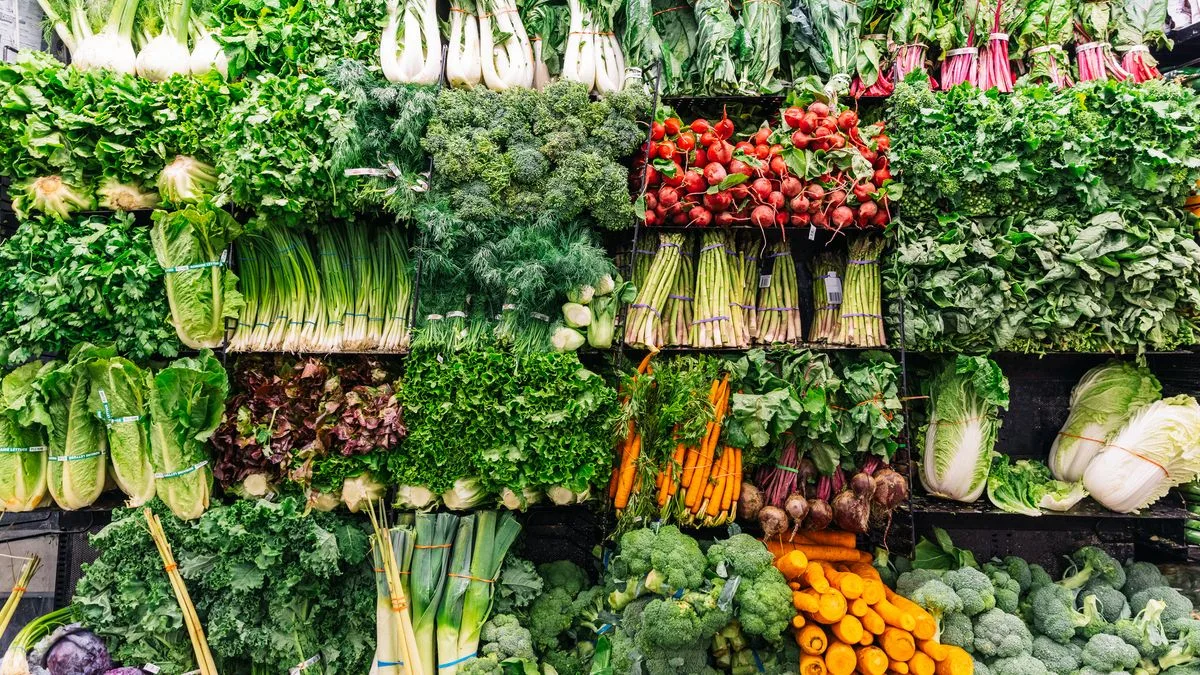
Watercress Crowned World's Healthiest Vegetable: Nutrition Secrets Revealed
Watercress: The World's Healthiest Vegetable Revealed

Watercress Crowned World's Healthiest Vegetable

When imagining the "healthiest vegetable," watercress rarely springs to mind. Often dismissed as a mere salad leaf, this small, peppery green actually belongs to the brassica family, making it a cousin to broccoli, cabbage, kale, and mustard. Despite its delicate appearance, watercress boasts an unusually dense nutrient profile for such a light leafy green.

Nutritional Powerhouse Status

Watercress earned the title "world's healthiest vegetable" in December after achieving a perfect score on the Centers for Disease Control and Prevention's list of 41 powerhouse fruits and vegetables. This remarkable achievement placed it above all competitors, while sweet potatoes languished at the bottom of the same ranking.

Registered Dietitian Nichola Ludlam-Raine explains to the Daily Mail that watercress provides exceptional nutritional value. "It's a great source of vitamins A, C, and K, along with folate and calcium," she says. "Like other brassica vegetables, it contains plant compounds linked to antioxidant and anti-inflammatory effects."

Wide Pickt banner — collaborative shopping lists app for Telegram, phone mockup with grocery list

Why Watercress Excels Nutritionally

Those tiny stems and dainty leaves pack substantial nutrients despite their slight appearance. Ludlam-Raine details: "Watercress is rich in Vitamin K, Vitamin C, Vitamin A (as beta-carotene), folate and small amounts of calcium, potassium and iron."

The vegetable contains approximately 10-15 kcal per 100g, zero fat, and modest fiber content due to its high water composition. A typical serving ranges from 40-80g, often used in salads or sandwiches.

Watercress leaves contain glucosinolates, natural plant compounds that release the enzyme myrosinase when chopped, crushed, or chewed. This enzyme converts glucosinolates into biologically active compounds including sulforaphane, a potent antioxidant and anti-inflammatory agent that contributes to watercress's distinctive peppery flavor.

Antioxidant Abundance

For those seeking plants that protect cells from oxidative stress—a biological process linked to numerous diseases including cancer—watercress represents an excellent choice. Ludlam-Raine confirms: "Watercress contains antioxidants including beta-carotene, Vitamin C and various polyphenols. These compounds help protect cells from oxidative stress."

Polyphenols combat damage caused by unstable molecules called free radicals, which attack cell DNA, proteins, and lipids when left unchecked. This protection helps prevent the inflammation that gradually increases chronic disease risks.

Watercress also contains high levels of lutein and zeaxanthin, carotenoid antioxidants found in dark leafy greens. Diets rich in these carotenoids have been associated with reduced risks of several cancers, including breast, colon, and prostate varieties.

Culinary Versatility

Many people avoid watercress due to uncertainty about preparation methods, but Ludlam-Raine emphasizes its adaptability. "It works well in salads, blended into soups, stirred into pasta just before serving, added to sandwiches, or blended into pesto," she advises. "It has a peppery flavour that pairs well with eggs, salmon and goat's cheese."

Contrary to popular perception, watercress qualifies as a vegetable rather than merely a salad component. Eating it raw preserves Vitamin C content, while gentle wilting into soups or omelettes at cooking's end offers alternative preparation methods.

Nutrient Absorption Enhancement

Watercress functions optimally when combined strategically with other foods. Ludlam-Raine explains: "Pairing watercress with healthy fats such as olive oil, avocado or nuts helps absorb fat-soluble vitamins like Vitamin K and beta-carotene. Adding it to meals with a protein source improves satiety, and combining it with vitamin C-rich foods supports iron absorption from plant sources."

Simple salads dressed with olive oil, scattered with nuts, or served alongside eggs, fish, or beans maximize nutritional benefits, transforming modest handfuls into nutritionally effective meal components.

Weight Loss Considerations

Actress Liz Hurley famously advocates watercress soup for weight management, claiming: "It's fatless, low calorie, full of vitamins and iron and delicious enough to serve at a dinner party. I drink at least six cups a day when eager to lose a few pounds."

Pickt after-article banner — collaborative shopping lists app with family illustration

However, Ludlam-Raine cautions: "Watercress can be helpful as part of a balanced diet because it is low in calories and high in volume, adding bulk and nutrients to meals without significantly increasing energy intake. However, no single food causes weight loss on its own—it's a calorie deficit that elicits that."

Potential Health Risks

Watercress contains high Vitamin K levels essential for blood clotting, requiring caution for individuals taking warfarin and similar anticoagulant medications. Ludlam-Raine advises: "People taking warfarin should keep intake consistent rather than avoid it entirely. As with other leafy greens, consistency is key for stable anticoagulation."

Maintaining steady portion sizes weekly helps ensure predictable Vitamin K levels while permitting continued nutrient benefits. Those taking lithium must also moderate watercress consumption due to its diuretic effect, which can cause lithium retention potentially leading to toxicity symptoms including gastric issues, mental confusion, and seizures.

Distinguishing Watercress from Cress

Despite similar names, watercress differs significantly from the cress found in traditional egg and cress sandwiches. Ludlam-Raine clarifies: "They are related but not identical in flavour or nutrient profile. Watercress is a mature leafy green, whereas cress (such as garden cress) is usually eaten as young sprouts."

Watercress continues to demonstrate potential health benefits beyond basic nutrition, with emerging research suggesting it may lower "bad" LDL cholesterol and improve lipid profiles, though additional clinical trials remain necessary for confirmation.




