Home gardeners with lawns are being urged to complete one essential job in May to ensure green grass this summer, and this weekend is the ideal time to do it. A gardening expert has shared a simple method to tackle moss and boost lawn health without spending hours raking.
The Problem: Moss in Lawns
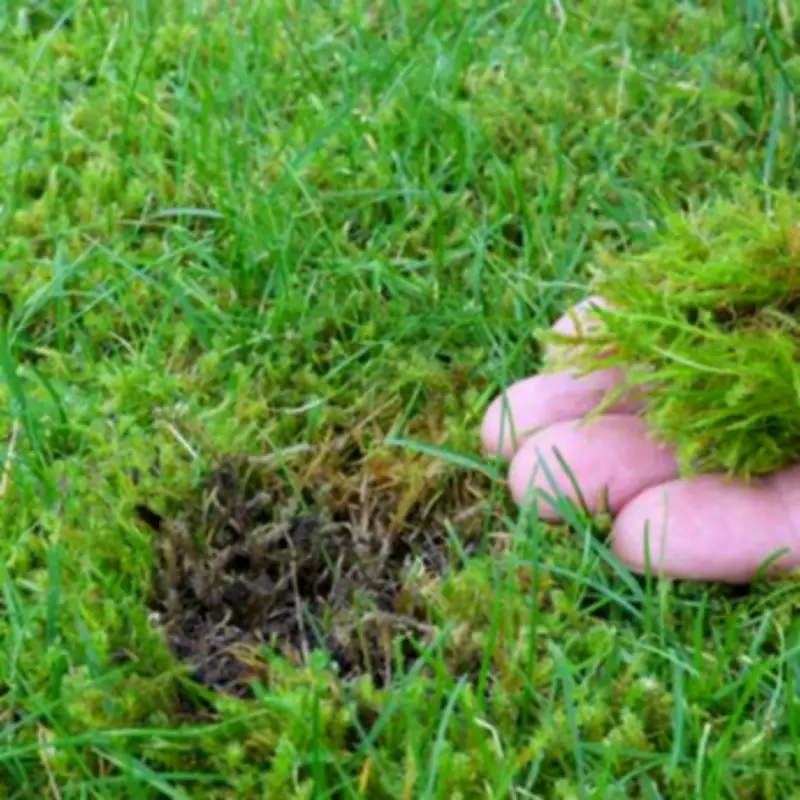
Many lawns have suffered from wet and cold winter weather, leading to moss growth between the grass. Moss thrives in damp conditions and can make lawns look patchy and unhealthy. Removing it is crucial for a lush summer lawn.
Expert Advice: Use Lawn Sand
Martin Fish, a horticultural expert and Royal Horticultural Society (RHS) judge, recommends using lawn sand to kill moss and fertilize grass simultaneously. In a video for the Pots & Trowels TikTok account, he explained that traditional scarifying (raking) often leaves moss behind, allowing it to regrow. Instead, lawn sand offers a dual-action solution.

Lawn sand is a fine sand containing sulphate of iron, which acts as a moss killer and a fertilizer. Fish said: "What it does with moss is it turns it black and kills it, but it makes the grass grow, and it greens it up and makes it stronger. So it's doing two things."
How to Apply Lawn Sand
To use lawn sand, sprinkle it thinly over the lawn at a ratio of about 80g per square metre. Apply on a dry day to prevent the sand from washing away. Within a day or two, the moss will turn dark brown or black, indicating it is dying. Fish advises waiting up to two weeks until the moss is completely dead before removing it.
Removing Dead Moss
Once the moss is dead, scarify the lawn using a wire rake to pull out the dead material. This process also creates gaps for grass to fill, resulting in a healthier lawn. After scarifying, consider aerating the lawn with a garden fork to reduce soil compaction and improve drainage. The removed thatch can be added to a compost heap.
While the lawn may look worse initially, regular annual scarification leads to a significantly healthier and greener lawn by summer.