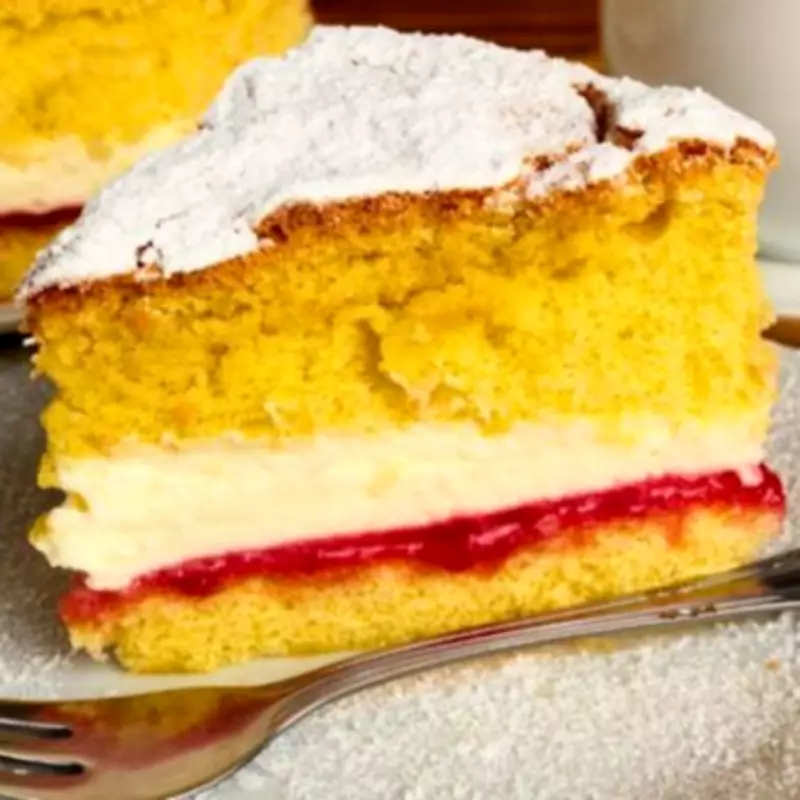
Baking a cake might appear straightforward, but Victoria sponges are notoriously delicate, and using two common kitchen ingredients can cause the entire dessert to collapse in the oven. According to baking expert Rachael Matthews, founder of Tea with Mum, many home bakers unknowingly sabotage their cakes by reaching for old eggs or self-raising flour, resulting in a dense, lacklustre treat.
The Critical Ingredient Swaps for a Perfect Sponge
Rachael Matthews emphasises that fresh eggs are non-negotiable for achieving a light, airy texture. Eggs gradually deteriorate over time, losing moisture and their ability to trap air effectively. "If your eggs are older than about one week, your cake will be flat," she warns. Capturing air within the batter is absolutely essential for that signature fluffy crumb, and stale eggs produce a flat, slightly off-tasting result.
Why Self-Raising Flour Fails for Sponges
While self-raising flour might seem the logical choice for baking, it is actually too dense for a delicate Victoria sponge. It compacts the mixture, preventing proper rising and leading to a heavy, unsatisfactory cake. Instead, Matthews recommends swapping self-raising flour for cornflour (also known as cornstarch).

"A little cornflour helps make the cake crumb softer," she explains. "It also expands to about six times its volume when baking, which helps your cake rise." This simple substitution, combined with fresh eggs, transforms the sponge into a taller, more flavourful creation, as reported by the Express.
Step-by-Step Guide to the Ultimate Victoria Sponge
Ingredients for the Cake:
- 225g of butter
- 225g of caster sugar
- Four large eggs (fresh)
- Two teaspoons of vanilla paste
- 200g of plain flour
- 25g of cornflour
- Three teaspoons of baking powder
- Four tablespoons of milk
Ingredients for the Filling:
- 200g of double cream
- Two tablespoons of icing sugar
- One teaspoon of vanilla essence
- Three tablespoons of raspberry jam
- 125g of fresh raspberries
Method for the Cake
Begin by preheating the oven to 170°C (fan oven). Grease the bottoms of two cake tins and line them with baking paper. In a large bowl, combine the caster sugar and butter, mixing for about four minutes until pale and creamy. Use a wooden spoon or electric mixer as preferred.
Incorporate the eggs one at a time, blending just until combined after each addition. Stir in the vanilla paste until fully mixed, being careful not to overmix, as this can lead to a dense cake.
Sift the plain flour, cornflour, and baking powder into the butter mixture, then gently fold together with a silicone spatula. Gradually add the milk, one tablespoon at a time, until the batter drops easily from a spoon.
Divide the batter evenly between the tins, smooth the surfaces, and bake for 20 to 25 minutes until golden. Allow the cakes to cool in their tins for five minutes before turning out onto a wire rack to cool completely.
Assembling the Cake
Once cooled, select one sponge as the base. If it has domed, trim the top to create an even surface. Spread a generous layer of raspberry jam over it.
In a small bowl, combine the double cream with one tablespoon of sifted icing sugar and the vanilla essence, folding gently. Spoon this creamy mixture over the jam layer, then carefully place the second sponge on top, dome-side up.
Finish by dusting liberally with icing sugar and arranging fresh raspberries on top. Your homemade Victoria sponge is now ready to enjoy, perfect for a spring picnic or any sweet occasion.