








Entertainment

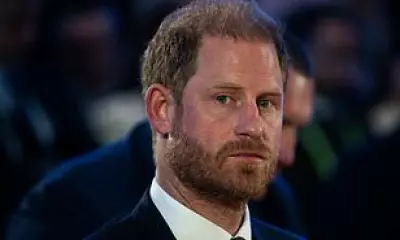
Marchioness of Bath Outshines Meghan Markle at Cannes and Met Gala
The Marchioness of Bath, Emma Thynn, steals the spotlight at Cannes and Met Gala, while Meghan Markle misses out on both events, sparking comparisons.





Politics

Inside Hantavirus Quarantine: 15 Americans Isolated After Cruise Outbreak
A content creator shares his experience inside a Nebraska quarantine facility after a hantavirus outbreak on a cruise ship left three dead and nine ill.



Sports

Cobbs Creek Golf Club: Reclaiming Its Legacy of Inclusion and Opportunity
Cobbs Creek Golf Club in Philadelphia, once a pioneer for inclusion, is being restored with help from Tiger Woods and Jordan Spieth, aiming to host PGA events and serve the community.



Crime

Missing Cat Olaf Reunited After Hitching 15-Mile Ride Under Car
Indoor cat Olaf, missing for four days, hitched a 15-mile ride under a neighbour's car and was reunited with his owner thanks to his microchip.







Health




Weather

UK Cold Snap Brings Low Temperatures and Hail
The UK is experiencing a cold snap with temperatures below average for May, bringing hail and thunder, especially in the Midlands and north.
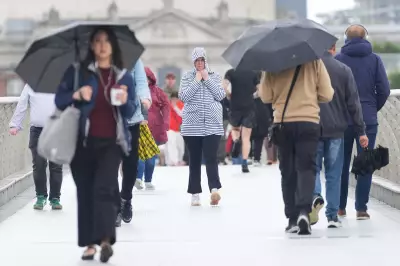
Cold Snap Brings Hail and Thunder Across UK
A cold front brings hail, thunder, and heavy showers to the UK, with temperatures below average. Warmer weather expected by next week.

Northern Lights May Return to UK Skies Tonight
The Sun's massive solar flare may bring the Northern Lights to parts of the UK tonight, with Scotland offering the best viewing chances.
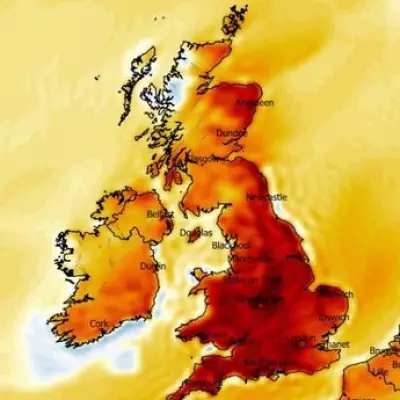
UK Braces for 27C Heat Surge: 18 Counties Hit 25C+
Weather maps show temperatures could reach 27C in parts of the UK, with 18 counties expected to see 25C or above in a four-day hot spell from May 22.

Met Office Maps: 18 Areas Bracing for Heavy Downpours Wednesday
Met Office weather maps reveal 18 UK areas set for heavy rain and snow on Wednesday, with wintry precipitation across Scotland and northern England.
Tuesday Test: Can You Answer These UK Sports Questions?
Test your knowledge of British sports with our Tuesday quiz featuring 100 questions about football, cricket, and rugby. Perfect for sports enthusiasts and trivia lovers.
