Gut Feeling: Should We Trust the 'Healthy' Soda Revolution in the UK?
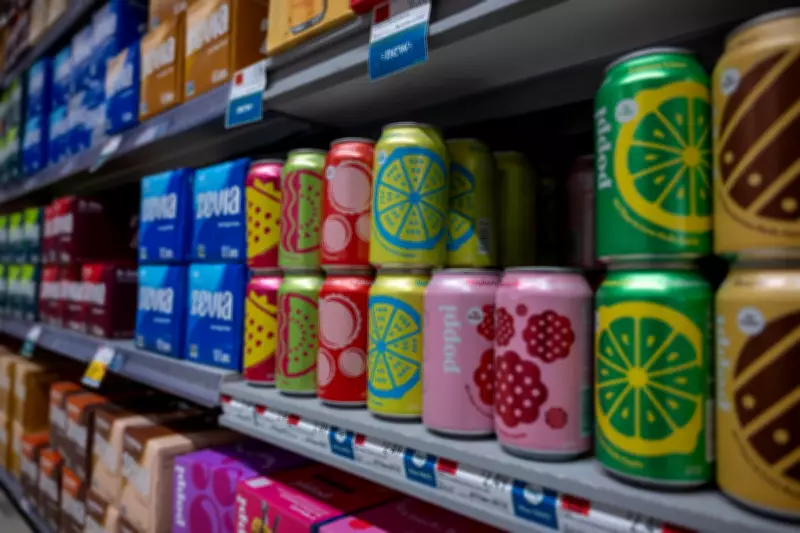
Colourful cans of low-calorie, prebiotic-packed sodas are rapidly appearing on UK supermarket shelves, having gained significant popularity in the United States. These beverages promise to alleviate digestive issues, but a critical question remains: can a fizzy drink ever genuinely help with gut problems? With over 60 per cent of Brits experiencing bloated bellies and associated discomfort, the appeal of a quick fix is undeniable.
The Rise of 'Gut-Friendly' Sodas
Enter the era of so-called gut-friendly and high fibre sodas, which are steadily infiltrating supermarkets and cafes. These products capitalise on the national demand for bloat relief and the emerging trend known as fibremaxxing. While traditional high-sugar fizzy drinks like Coke or Fanta are often vilified, these new entrants adorn themselves with dietarily-conscious buzzwords, projecting a glimmering health halo.
However, nutrition experts caution that the reality is far more complex. For instance, when the health soda Poppi launched in the UK, it had to remove its prebiotic claim because it contains only three grams of fibre, rather than the required twelve grams. Despite this, Poppi, now stocked at Tesco and Pret A Manger, can still promote its added fibre content. Its main competitor, Hip Pop, contains 5g of fibre and has become the UK's fastest-growing carbonated soft drinks brand.

Expert Warnings and Nutritional Realities
Amanda Callenberg, an IBS and gut health nutritionist, explains that terms like prebiotic, gut-friendly, or digestive support are not tightly defined and can vary significantly between brands. That doesn't mean it contains enough to make a real difference, she warns. Callenberg emphasises that context and timing are crucial; consuming a fizzy prebiotic drink while stressed or rushing may affect the body differently than when settled.
Dr Megan Rossi, known as The Gut Health Doctor, points out that dumping a large amount of fibre on the gut in one sitting, rather than incorporating it steadily into the diet, can actually irritate the stomach. It's better to have smaller amounts, she advises, labelling these sodas as a bit of a gimmick. She notes that with various ingredients and preservatives, they qualify as ultra-processed foods (UPFs) by definition. They're trying to capitalise on the gut health movement and make people think that drinking a soda is healthy for them when it's just not, Dr Rossi adds.
Potential Alternatives and Consumer Advice
This does not mean consumers should revert to daily Diet Coke habits. Both experts suggest these sodas could serve as a stepping stone to wean off fizzy drinks, rather than becoming a new daily staple. Notably, Coca-Cola entered the gut-health sector in the US last February with Simply Pop, a prebiotic soda containing 6g of fibre, Vitamin C, and Zinc.
However, even these options are not the best alternatives. Dr Rossi recommends switching to sparkling waters with natural fruit, such as Dash or Aqua Libra, or making homemade versions with soda water and frozen berries. This approach provides prebiotics, polyphenols (antioxidants), flavour, and fibre in a more natural setting.
For the 10 per cent of the population suffering from IBS, extra caution is advised. Even with 5g of fibre in them, that is probably enough to aggravate your bloating, Dr Rossi explains, suggesting monitoring for bloating within ten hours of consumption.
The Bigger Picture: Consistency Over Quick Fixes
As with many nutrition trends, a one-size-fits-all miracle product should be viewed with scepticism. Boringly, the best approach to gut health involves a healthy routine rather than a fun little drink. There isn't a single product that 'fixes' gut health. It's a reflection of choices and behaviours over time, says Callenberg. She advocates for a varied, fibre-rich diet, regular meals, and overall consistency.

The gut is often treated as something you can optimise with a product, but in practice it responds far more to consistency and individual tolerance than to any single drink or ingredient, Callenberg concludes, highlighting a broader shift towards quick fixes rather than building a steady relationship with food and the body. Ultimately, listening to your gut and treating it accordingly remains the wisest course of action.