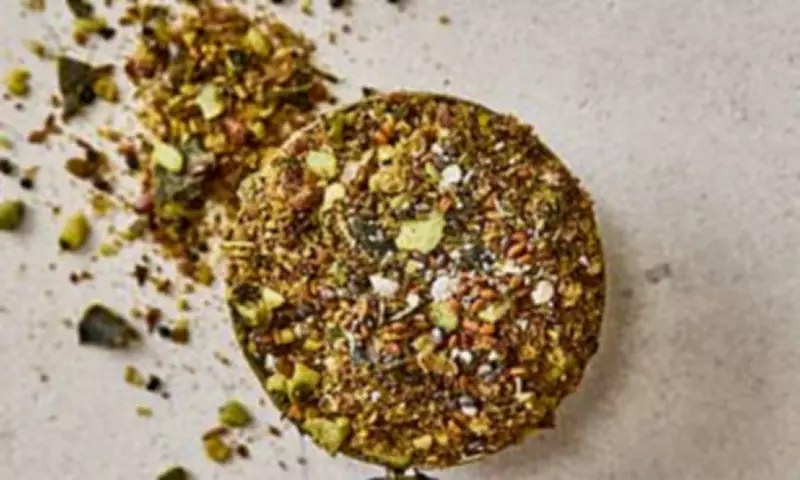
Sprinkled on yogurt, tossed in salads, or blended into smoothies, seeds are small yet nutritionally mighty, but they often don't receive the recognition they deserve, according to health experts. While nuts are widely celebrated for their health benefits and commonly integrated into daily diets through spreads or protein bars, seeds tend to be overlooked, says registered nutritionist Helen Johnston. She emphasizes that this is a significant oversight.
Why Seeds Deserve More Attention
Seeds are a fantastic source of fibre, which aids digestion and promotes a feeling of fullness for longer periods. They also contain healthy fats, essential amino acids that the body cannot produce on its own, and powerful antioxidants that help ward off visible signs of aging while protecting cardiovascular health. Johnston advises, "Everyone should be eating seeds – and treating them like you would a supplement."
Flax Seeds for Cholesterol and Heart Health
Regular consumption of flax seeds, especially in milled form, has been shown to reduce total and LDL cholesterol levels, lower blood pressure, and improve blood sugar control. Johnston explains, "Flax seeds are absolutely incredible for not only your gut but also your heart and overall health." These benefits stem from their high fibre content and lignans, which act as phytoestrogens to support metabolic health. A 2021 clinical trial found that individuals with high blood pressure who consumed about four tablespoons of flax seeds daily experienced significant reductions in BMI, cholesterol, and blood pressure.

Chia Seeds for Aging, Skin, and Gut Health
Chia seeds are packed with omega-3 fatty acids, making them a standout in the wellness community. They are a complete protein, containing all nine essential amino acids, and provide micronutrients like calcium, magnesium, and iron for bone health. Johnston notes, "Chia seeds are also packed full of antioxidants, including compounds such as caffeic acid and kaempferol, which have powerful anti-ageing properties." A 2020 study suggested these compounds may improve skin health by protecting against enzymes linked to fine lines and wrinkles. Soaking chia seeds to create a gel-like consistency, such as in a chia pudding, enhances digestibility and supports gut health.
Sunflower Seeds for Heart Health and Disease Protection
Sunflower seeds are an excellent source of antioxidant vitamin E, which plays a key role in protecting cells, boosting skin health, and strengthening the body's defences against disease. Johnston points out that they provide over 40% of the daily recommended intake of essential minerals in just one serving. Studies indicate that adequate vitamin E intake, roughly equivalent to a tablespoon of sunflower seeds, may help reduce the risk of heart disease.
Pumpkin Seeds for Hair, Immunity, and Hormone Balance
Pumpkin seeds are rich in minerals like zinc, magnesium, and selenium, which are crucial for immunity, gut health, and hormone balance. Johnston explains, "Since our bodies cannot produce zinc, we have to get it from food, and pumpkin seeds are one of the richest plant sources." Zinc supports the immune system and can help reduce infections, particularly in older individuals or those with weakened immunity. Additionally, pumpkin seeds can promote hair health, as hair loss is a common symptom of zinc deficiency.
Poppy Seeds for Sleep, Bones, and Nerve Health
Poppy seeds offer fibre for gut health and potassium for bone strength. They are a great source of calcium, beneficial for bone health and nerve signalling. Johnston highlights their sleep-supporting effects, noting that a three-tablespoon serving contains over a third of the daily magnesium requirement for adults, which helps calm the nervous system and regulate sleep-wake cycles.
Hemp Seeds for Protein, Brain Function, and Energy
Hemp seeds are a top choice for plant protein, with about 5.5 grams per tablespoon. Johnston describes them as "a real champion that is underutilised," as they are a rare complete plant protein source that supports energy levels and mental performance. A 2018 review found that hemp seeds may have neuroprotective effects, potentially delaying the progression of diseases like Alzheimer's and Parkinson's.

Camelina Seeds for Omega-3 Balance and Metabolic Health
Camelina seeds are nutrient-dense, rich in omega-3s, fibre, vitamin E, and magnesium, supporting gut health, immunity, and overall vitality. Johnston emphasizes their ideal omega-3 to omega-6 ratio, which benefits gut balance and cellular health. Studies show that omega-6 fats can lower LDL cholesterol and improve blood sugar control, with the American Heart Association affirming their safety and benefits for heart health.
Seed Cycling for Hormonal Balance
Seed cycling involves consuming specific seeds during different phases of the menstrual cycle to support hormone balance. Typically, flax and pumpkin seeds are recommended in the first half to aid oestrogen metabolism, followed by sunflower and sesame seeds in the second half to balance progesterone. Johnston says, "In practice, I've seen this approach help many women with symptoms linked to hormonal imbalance, including PMS, irregular periods, and perimenopause fluctuations." Combined with a nutrient-dense diet, it can be a gentle way to support hormonal health.
Johnston concludes that while organic options are preferable, seeds are not part of the "dirty dozen," so variety is more important than choosing organic labels. Incorporating a diverse range of seeds into your diet can unlock numerous health benefits, from improved digestion to enhanced skin and heart health.