Seafood Industry's Bold Gamble: Making Fish Look Like Meat to Win Over Americans
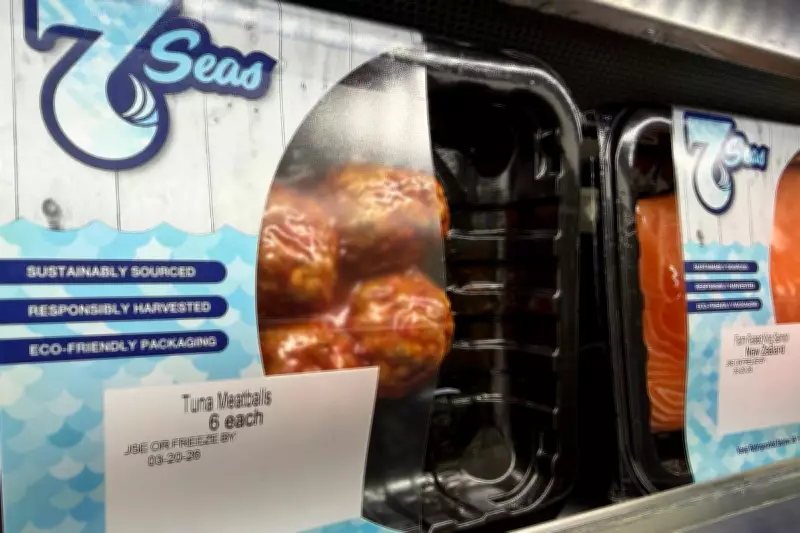
The future of fish in America is undergoing a radical transformation, with the seafood industry placing a significant bet on a novel strategy: making fish look and taste more like meat. From salmon salami to tuna nuggets that mimic fried chicken, companies are aggressively rebranding seafood to appeal to the notoriously fish-skeptical American palate. This trend was prominently showcased at the recent Seafood Expo North America in Boston, where hundreds of exhibitors unveiled products designed to disguise their aquatic origins.
The Fish-Skeptical American Palate
Americans have a historically limited appetite for seafood, consuming just about 19 pounds per year—a figure that has barely budged in a century. In stark contrast, the global average stands at 45 pounds, with some European nations nearing 90 pounds and Iceland leading at around 200 pounds annually. Most American consumption is concentrated on shrimp and salmon, leaving the industry grappling with stagnant growth. The $24 billion market has remained flat for years, with only 10% of shoppers accounting for nearly half of all sales, indicating seafood remains a niche preference for many.
"Our Taiwanese magic is making tuna taste like fried chicken," said Jack Chi, a spokesman for Tuna Fresh, a Taiwan-based company that sells tuna as fried "nuggets" and breaded strips resembling chicken tenders. "We wanted to engage in the U.S. market, and we found that fried foods are the way." This approach reflects a broader industry pivot toward stealthy seafood, where products are crafted to resemble familiar meat-based items like burgers, sausages, and even spareribs.

Innovative Products and Market Strategies
At the expo, companies like SK Food Brands showcased shrimp burgers in slider and Whopper-sized portions, aiming to make seafood more palatable to non-fans. Justin Rogers, a sales manager, noted, "It makes it more palatable to people who aren’t big seafood fans. Especially with things like these sliders, it gives them an entry point." Similarly, Harbor Bell Seafoods introduced salmon snack strips designed to look like Slim Jims, available in smoked, lemon-pepper, and mango flavors, with a spokesperson emphasizing they don't smell or taste fishy.
The most audacious offering came from Brazil, where tambaqui fish is sliced into meaty spareribs. Danillo Souza Alves of Friocenter Pescados highlighted that these ribs have a higher meat-to-bone ratio than pork, positioning them as a finger food for stadium events. Additionally, seafood is being transformed into crackers, chips, and crunchy sticks, such as Balance Grow’s Fried Calamari Snack, which was compared to Cheetos in taste.
Criticism and Sustainability Concerns
Not everyone supports this covert approach. Niaz Dorry, coordinating director of the North American Marine Alliance, advocates for sustainable practices, stating, "Eat fish that looks like fish! The likelihood that that fish came from a community-based, scale-appropriate entity is much higher if that fish still looks like what it was when it was swimming in the water." She warns against "factory scale and fake" products, urging consumers to avoid what she calls the "two F-words."
This criticism comes at a critical juncture for the industry, where the only real sales growth has stemmed from sushi popularity among Gen Z and price hikes, neither of which broadly expand the consumer base. Steve Markenson, vice president of research at FMI, expressed skepticism about appealing to the 40% of Americans who avoid seafood, noting they may not seek to add it to their diets. Even dedicated seafood lovers, who account for 10% of shoppers, prefer fish for its authentic qualities rather than clever disguises.

Targeting New Audiences and Future Prospects
Joshua Bickert, a seafood market analyst, suggests that younger generations might be the key audience. "If you package it like hot dogs and hamburgers and chicken tenders, you maybe change that mindset at a younger age," he said. Mike Simon, owner of Surfsnax, emphasizes making the foreign feel familiar by presenting salmon in formats like salami, though he insists it's not hiding its origins—a claim that might be debated given its cured, meat-like appearance.
The industry's gamble hinges on whether these meat-like products can replicate the success of sushi, which blends convenience and novelty. However, with Americans' entrenched eating habits and sustainability concerns looming, the path to increased consumption remains uncertain. As companies continue to innovate, the question persists: Will disguising fish as meat finally convince Americans to eat more seafood, or will it alienate both skeptics and purists alike?