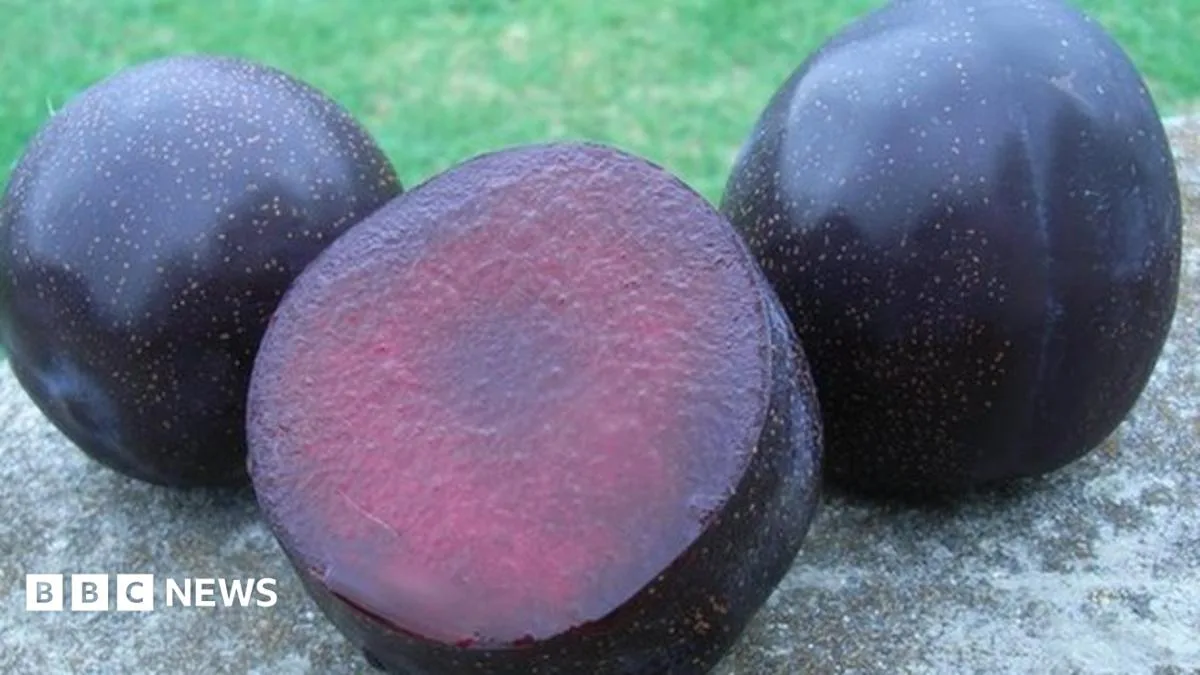
The Queen Garnet plum, an Australian stone fruit with high levels of anthocyanin, has been touted as a potential weight-loss aid. Developed accidentally by plant breeders in Queensland a decade ago, the plum has attracted attention after research suggested it could help reduce obesity in rats.
Researchers at the University of Southern Queensland (USQ) fed rats a high-fat, high-carbohydrate diet until they became obese. They then added Queen Garnet plum juice to the rats' drinking water and exercised them for 30 minutes daily. Within eight weeks, the rats lost most of their excess weight.
USQ's Professor Lindsay Brown, who led the study, argues that the results are promising for humans. "All the changes that rats experience with obesity occur the same way in humans," he said. However, other experts urge caution. Professor Manny Noakes of CSIRO noted that "humans and rodents are very different" and that making weight-loss claims based on animal studies is "a pretty long bow to cast."

The plum's superfood status has boosted commercial interest. Nutrafruit, the farming co-operative that holds the global license, has seen increased demand following media coverage. However, critics warn that no single food is a panacea, and that similar claims have been made for other fruits like maqui and goji berries.
Food regulatory specialist Charles Fisher cautioned that consumers should be wary of self-funded research by food manufacturers. He noted a gap between consumer understanding of terms like "antioxidant" and scientific reality. Nonetheless, the Queen Garnet's sweet taste and potential health benefits continue to drive interest.