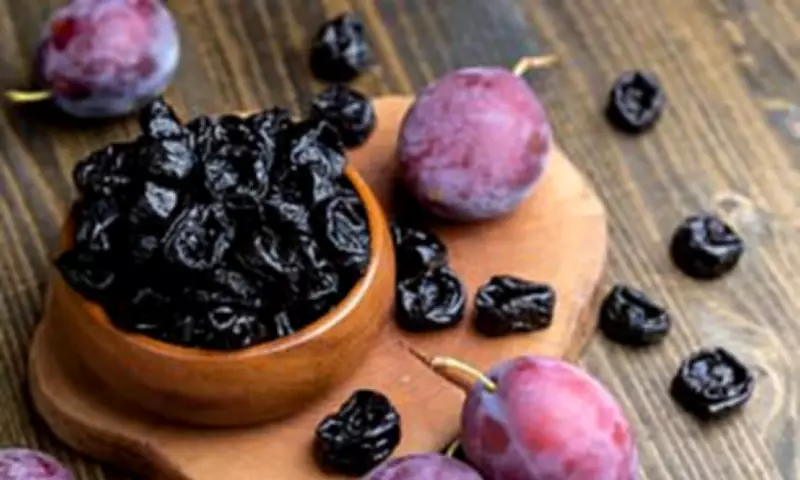
Prunes have long been associated with digestive relief, but experts argue their reputation as "nature's laxative" has unfairly overshadowed their comprehensive health advantages. These dried plums, typically consumed alone or with breakfast cereals, contain both fibre and sorbitol – a natural sugar alcohol that collectively promotes bowel movement. However, nutritional specialists emphasize that prunes deserve recognition beyond their digestive benefits, given their rich vitamin, mineral, and antioxidant content that may protect against age-related diseases.
Nutritional Powerhouse in Disguise
Despite their nutritional density, prunes rank only 46th among Britain's favourite fruits in recent YouGov polling, trailing behind dried dates, apricots, and figs. Hanieh Vidmar, a nutritional therapist and chef, asserts that prunes offer particular value for women's health. "Prunes are nutrient-dense and should get much more credit than helping people go to the bathroom," she explains. "They're surprisingly great for bone health – especially for women – and act as a mild prebiotic which feeds the good gut bacteria. This means they support gut health long-term, not just for quick relief."
What Exactly Are Prunes?
Prunes are simply dried plums, typically from European varieties selected for their naturally high sugar content, enabling drying without fermentation. Plum trees require four to six years to mature, blossoming in early spring and harvested in late summer when fruit becomes dark, plump, and sweet. After picking, plums undergo washing, dehydration, and pitting, resulting in the soft, chewy texture familiar to consumers.

While approximately 40 percent of global prunes originate from California, Britain maintains its own longstanding varieties including the Aylesbury Prune and Shropshire Prune – a damson type cultivated for centuries. Available year-round in supermarkets for under £3 per 250g pack, prunes are sold pitted, ready-to-eat, or as juice, providing an accessible and affordable method to enhance fibre, vitamin, and mineral intake.
Nutritional Composition
Nutritionally, prunes deliver substantial value. Four to five prunes contain approximately 280mg of potassium – about 12 percent of daily requirements – alongside Vitamin K, soluble fibre, and antioxidant compounds. Potassium assists nerve function and muscle contraction regulation, while Vitamin K proves essential for blood clotting and bone health. Prunes also contain copper, supporting red blood cell production and immunity, plus minor amounts of Vitamin C that protects cells and improves iron absorption.
A typical handful of five prunes contains around 104 calories, 1g protein, no fat, 28g carbohydrates, 3g fibre, and 17g natural sugars.
Digestive Benefits and Beyond
Constipation Relief
Prunes' most recognized benefit remains their ability to maintain smooth digestion. Their high fibre content combined with natural sorbitol helps draw water into the bowel and soften stools, creating gentle laxative effects. Vidmar notes: "Sorbitol is a natural compound in prunes that draws water into the bowel, making them one of the most effective natural remedies for constipation."
Research indicates consuming eight to twelve prunes daily (approximately 50-100g) can alleviate mild to moderate constipation, sometimes outperforming commercial fibre supplements. Prune juice offers similar effects, though experts recommend limiting intake to one small glass daily to avoid excessive sugar and calories.
Vidmar suggests a simple daily routine: "I like to add three to five prunes to hot water and drink it like tea. Then, when I've drunk the tea, I eat the prunes. It's a great way to support digestion and boost daily fibre intake."
Studies further indicate prune consumption as snacks better manages appetite than other snacks, reducing hunger and subsequent meal calorie intake. Regular consumption can prevent bloating and discomfort, though starting slowly with ample water intake allows digestive adjustment. "The best time to have prunes would be first thing in the morning with plenty of water," Vidmar advises. "Also, move your body to get things moving. A short walk can help people who suffer from constipation or want to get their bowels moving."

Bone Health Enhancement
The combination of antioxidants, anti-inflammatory compounds, and Vitamin K in prunes makes them natural allies against osteoporosis. Research suggests regular consumption may prevent hip bone loss, reduce inflammatory markers that break down bone, and even improve bone formation.
In postmenopausal women, studies demonstrate that 50g daily (approximately five to six prunes) can prevent total hip bone mineral density loss over six to twelve months. Vidmar explains: "Some studies have shown that daily prune intake can actually improve markers of bone density in postmenopausal women. This is thought to be due to their polyphenols reducing osteoclast activity (bone breakdown), alongside nutrients like vitamin K, potassium and boron that support bone metabolism."
Considerations and Cautions
Who Should Exercise Caution?
While prunes are safe for most individuals, they may not suit everyone. Those with Irritable Bowel Syndrome or diarrhoea tendencies may experience gas, bloating, or worsened digestive upset due to high fibre and sorbitol content. Individuals with chronic kidney disease or kidney failure should be cautious as prunes contain substantial potassium that can be difficult to manage.
Prunes also contain moderate to high Vitamin K levels, a nutrient promoting blood clotting that may interfere with anticoagulant medications like warfarin. Anyone taking such medications should consult doctors before adding prunes to their diet. Additionally, individuals with stone fruit allergies or digestive sensitivities should consume them sparingly.
Cancer Risk Reduction Potential
While evidence remains limited and more human studies are needed, prunes may help reduce certain cancer risks, particularly bowel cancer. This potential benefit largely stems from their high fibre and phenolic compound content, promoting healthy gut environments and providing antioxidant effects.
Prunes can promote beneficial bacteria retention and microbial metabolism throughout the colon, associated with reduced precancerous lesion incidence in animal studies. A healthy gut environment represents a known protective factor against bowel cancer – particularly important as under-49s today face approximately 50 percent higher bowel cancer risk than same-aged individuals in the early 1990s.
Prunes contain phenolic compounds acting as antioxidants, neutralizing free radicals that can damage DNA and cells, contributing to cancer development. Limited human studies indicate dried fruit consumption may reduce stomach, pancreatic, and bowel cancer risks, though evidence remains inconclusive specifically for prunes.
Changing Perceptions and Consumption
Why Younger Generations Avoid Prunes
"Prunes have long been associated with older generations, often seen as a remedy for constipation," observes Vidmar. "I think that's mainly down to how they've been marketed historically. They've always been positioned as a food for older people with digestive issues, rather than as a functional, everyday food."
"Yet most of us aren't getting enough fibre – over 90 percent of people fall short of the recommended 30 grams daily. Prunes are a simple, natural way to boost fibre intake. Yet their old-fashioned reputation – and the association with bowel movements – puts many people off."
Daily Consumption Safety
According to Vidmar, daily prune consumption is generally healthy and unlikely to cause problems. "I'd recommend eating between three and five for general support and additional fibre intake," she states. "However, if you regularly eat more than ten daily, you might experience bloating or loose stools – this results from sorbitol content."
"The best approach pairs prunes with proteins or fats to balance blood sugar – for example, yoghurt, nuts, porridge, and seeds. Always stay well hydrated when eating prunes as part of a healthy, balanced diet to ensure fibre functions properly. On their own is fine but pairing maintains more stable energy levels."