Olive Oil Storage Secrets: Expert Farmer Reveals the Only Correct Method
Olive oil is a fundamental kitchen staple, but improper storage can cause it to spoil much faster than most people realize. Unlike aged cheeses or fine wines, olive oil does not improve with time and requires careful handling to maintain its quality.
The Critical Factors for Olive Oil Preservation
In an interview with Simply Recipes, Mary Mori, a producer from California Olive Ranch, outlined four key elements to consider when storing olive oil. She emphasized that while olive oil might appear durable, it typically has a shelf life of only 18 to 24 months. "Unlike wine, olive oil doesn't get better with age," Mary explained.
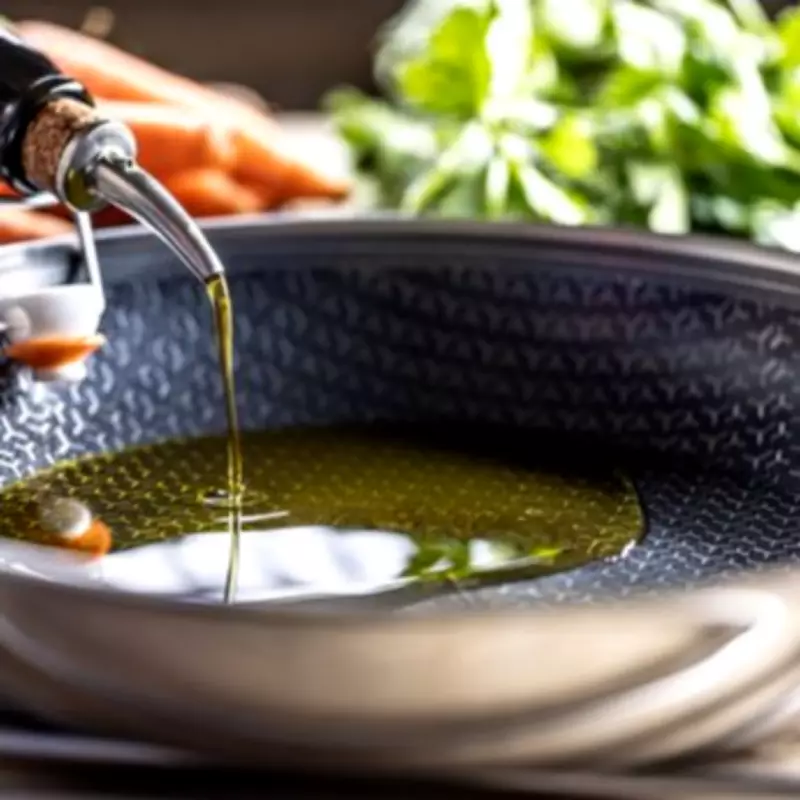
Once opened, the flavor begins to degrade, and she recommends using it within one to two months. Oxidation is a primary enemy, so always ensure the container is tightly sealed after each use, even during cooking. Avoid attaching pour spouts, as they allow air to contact the oil.

Why Heat and Light Are Detrimental
Olive oil thrives at moderate temperatures and should be kept away from extreme heat or cold. Storing it near the hob is particularly harmful, as heat accelerates spoilage. This risk is heightened if the oil comes in a tin, since metal conducts heat rapidly.
Light exposure also shortens olive oil's lifespan. "Prolonged light exposure will reduce the amount of antioxidants found in olive oil, ultimately compromising taste and causing rancidity," Mary noted.
The Fridge Fallacy and Proper Storage Solutions
Refrigeration might seem like a safe option, but it can negatively impact taste and cause crystals to form. Mary warned that when oil is returned to room temperature, flavor compounds separate into sediment, leading to faster rancidity.
Instead, she insists that the only effective way to store olive oil is in a cabinet or pantry. Ideally, keep it in its original tinted bottle, which is designed to block light and maintain a secure seal against oxygen.
Avoiding Common Decanting Mistakes
For those who prefer decanting oil into decorative pourers, Mary advises against it unless the oil is used quickly. These containers often allow oxygen in, which accelerates degradation and rancidity. By following these guidelines, you can extend the shelf life and protect the delicate flavor of your olive oil, ensuring it remains a kitchen essential for longer.