Transform Leftover Lamb into Hearty Welsh Cawl: A Thrifty Recipe
Welsh cawl stands as a cherished national dish, offering a delicious and economical way to repurpose leftover roast lamb bones into a nourishing meal. This slow-cooked soup embodies the essence of Welsh culinary tradition, celebrated for its simplicity, versatility, and practicality across all seasons.
The Origins and Appeal of Cawl
Cawl, sometimes known as lobscows in northern Wales, represents Wales' contribution to the world of thrifty, slow-cooked broths. Like many great peasant dishes, it is inherently seasonal, adaptable, and immensely practical. The recipe gained prominence through the work of Welsh culinary experts such as Dudley Newbery and Tomos Parry, who have inspired modern interpretations.
In recent years, initiatives like Food & Drink Wales have promoted food sustainability toolkits, highlighting Welsh produce and recipes. This has led to a renewed appreciation for cawl, showcasing how it can transform minimal ingredients into a hearty feast.

The Magic of Simple Ingredients
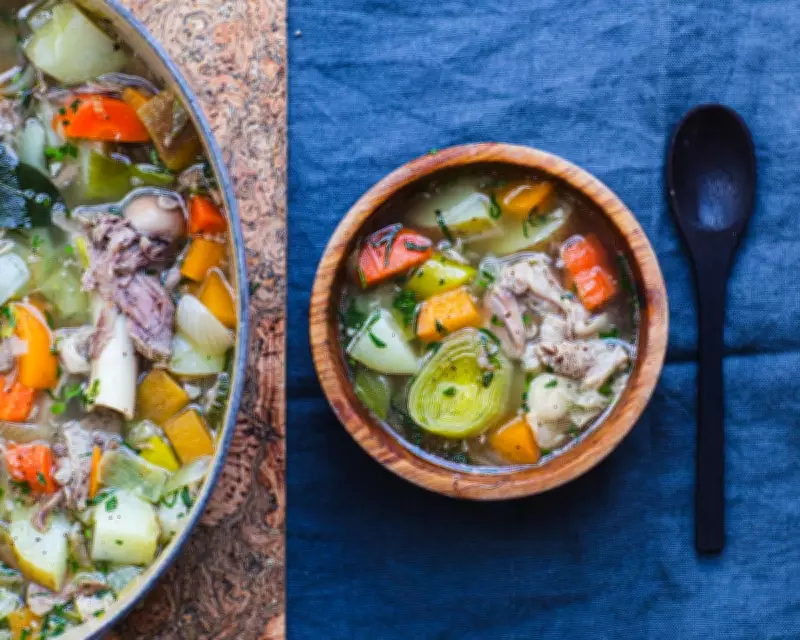
The beauty of cawl lies in its straightforward preparation. Key components include:
- A lamb bone, either raw from a butcher or leftover from a roast, with any attached meat, gravy, or fat.
- Basic vegetables such as leeks, onions, potatoes, and root vegetables like carrots, swede, parsnips, or turnips.
- Herbs like fresh thyme, bay leaf, and parsley for added depth of flavour.
Even a solitary lamb bone can impart extraordinary flavour, while any remaining meat serves as a delightful bonus. For those planning ahead, using lamb neck chops or purchasing a larger joint for a roast ensures ample leftovers for this dish.
Step-by-Step Cooking Instructions
This recipe serves six and is designed for ease and efficiency:
- Place the lamb bone and any meat in a large pan with 1.8 litres of cold water. Bring to a boil, then reduce to a low simmer for at least one and a half hours. Alternatively, use a slow cooker and double the cooking time.
- Remove the bone, pull off any meat, and return it to the broth. Add chopped onion, diced potatoes, root vegetables, and optional herbs like thyme or bay leaf. Include parsley stalks, reserving the leaves for later.
- Return to a boil and simmer for about 15 minutes until vegetables are almost tender. Add sliced leeks and cook for another 10 minutes, then season generously.
- If using, add frozen peas, bring back to a boil, and cook for a final three minutes. Stir in reserved parsley leaves before serving.
Like many stews, cawl often tastes even better the next day as flavours meld together. After a roast dinner, immediately transfer the bone to a pot to start the cooking process, utilising any fat or drippings for enhanced taste.
Versatility and Sustainability
Cawl's adaptability makes it a year-round favourite, perfect for reducing food waste. It exemplifies sustainable cooking by making the most of leftovers, aligning with broader efforts to promote thrifty and eco-friendly culinary practices.
Whether enjoyed as a comforting winter warmer or a light summer meal, this dish celebrates Welsh heritage while offering a practical solution for home cooks. Embrace this traditional recipe to create a wholesome, flavourful soup that honours both tradition and innovation.