I drink a lot of Pepsi Max. A slab of 30 cans can disappear within a week, amounting to over four 375ml cans daily. Friends express concern, but there is no evidence that Pepsi Max is lethal. In 2023, the World Health Organization classified aspartame, the artificial sweetener in Pepsi Max, as a possible carcinogen, though studies have not found strong links to cancer. Despite this, I decided to quit for 66 days, based on a 2009 study on habit formation that suggested this average time to form a new habit, though the study's lead author, Phillippa Lally, notes that habit formation is highly variable.
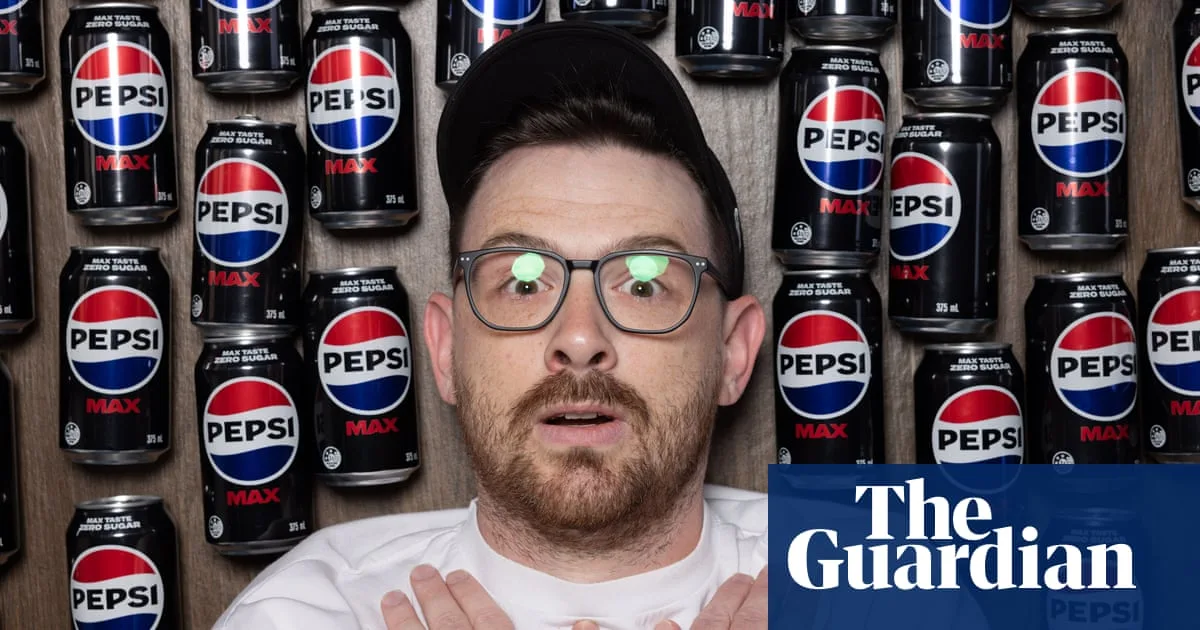
My experiment began on 24 September by emptying the fridge of Pepsi Max. I set ground rules: no sugar-free soda with artificial sweeteners, but full-sugar soft drinks, beer, and wine were allowed. The first day, I missed the post-exercise ritual of cracking open a can. By day three, cravings hit hard. To make matters worse, my editor sent a photographer for a photoshoot where I had to hold and caress dozens of Pepsi Max cans, as if they were my life's love. The smell of an empty can made me wince, echoing Werner Herzog's quote: 'Of course, there is a lot of misery.'
Week two involved strategising and adaptation. I constantly filled my water bottle and added lemon juice, a substitution tactic that helped but not much. On day eight, I flew from Sydney to Vancouver, experiencing the day twice due to time zones. North America, the soda capital of the world, made quitting harder. At an ice hockey game, Pepsi signage was everywhere, turning the stadium into a giant billboard. Despite the challenges, I persevered, finding some relief in alternative drinks and water.