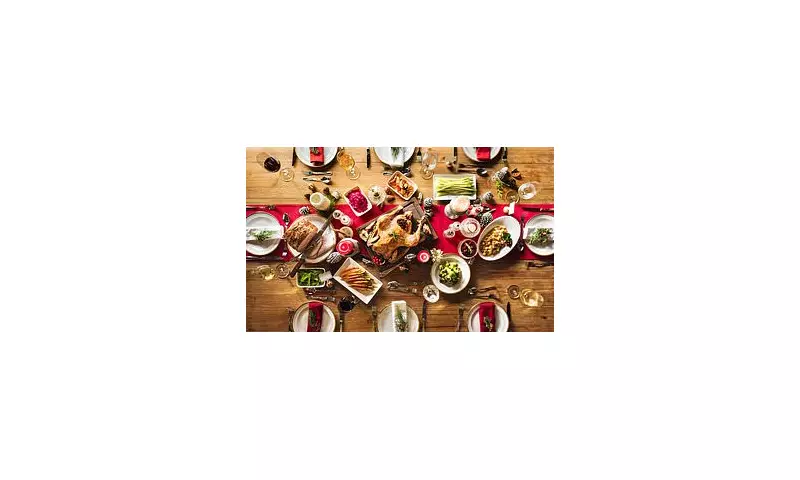
A prominent medical expert has challenged the traditional festive narrative, arguing that the dreaded Christmas weight gain is not primarily caused by indulging in festive treats like mince pies and roast potatoes. Instead, Professor Franklin Joseph, a Consultant Physician in Endocrinology, Diabetes, & Obesity and founder of Dr Frank's Weight Loss Clinic in London, points the finger at prolonged periods of inactivity.
The Real Culprit Behind the Christmas Pudge
While previous studies suggest Britons may consume up to 6,000 calories on Christmas Day—far exceeding NHS recommendations—Professor Joseph insists that the food itself is rarely to blame for significant fat gain. He explains that people vastly overestimate the impact of a few days of richer food, as fat accumulation is a slow process.
"Fat gain happens slowly. You don't gain pounds of fat from a handful of mince pies," he stated. The true problem, he argues, lies in the habitual inactivity that defines the holiday period for millions. Hours spent sitting while watching television, socialising, or travelling have a far more detrimental effect on our weight than the festive feast.

How Inactivity Sabotages Your Metabolism
Professor Joseph detailed the physiological impact of being sedentary. Prolonged sitting makes the body less efficient at processing blood sugar and fat, leading to more of what you eat being stored rather than burned for energy. This inactivity also disrupts the body's natural appetite signals, promoting mindless eating out of boredom rather than hunger.
"You're not eating because you're hungry, you're eating because you're bored," he warned, describing the combination of rich food and zero movement as a "perfect storm" for weight gain.
Simple Solutions: Movement Over Deprivation
The solution, according to Professor Joseph, is refreshingly straightforward and does not involve crash diets or skipping dessert. The key is to keep your body moving with gentle, regular activity. This doesn't require intense gym sessions; benefits can be reaped from taking a short walk after meals, standing up regularly, helping with cooking and clearing, and doing gentle stretching.
"Even light movement improves how your body processes food. It's far more powerful than skipping dessert," he advised.
He also addressed the common post-Christmas panic when stepping on the scales. Most of the immediate weight seen is water weight and inflammation, caused by saltier foods, alcohol, and less movement, not sudden fat accumulation. However, he cautions that if sedentary habits continue into January, real fat gain can begin.
Finally, Professor Joseph urged people to avoid the trap of starting a strict diet on Boxing Day or New Year's Day, as this often backfires, increasing stress and cravings. His prescription for a stable weight is simple: "Enjoy the food, stay lightly active and return to normal habits in January."