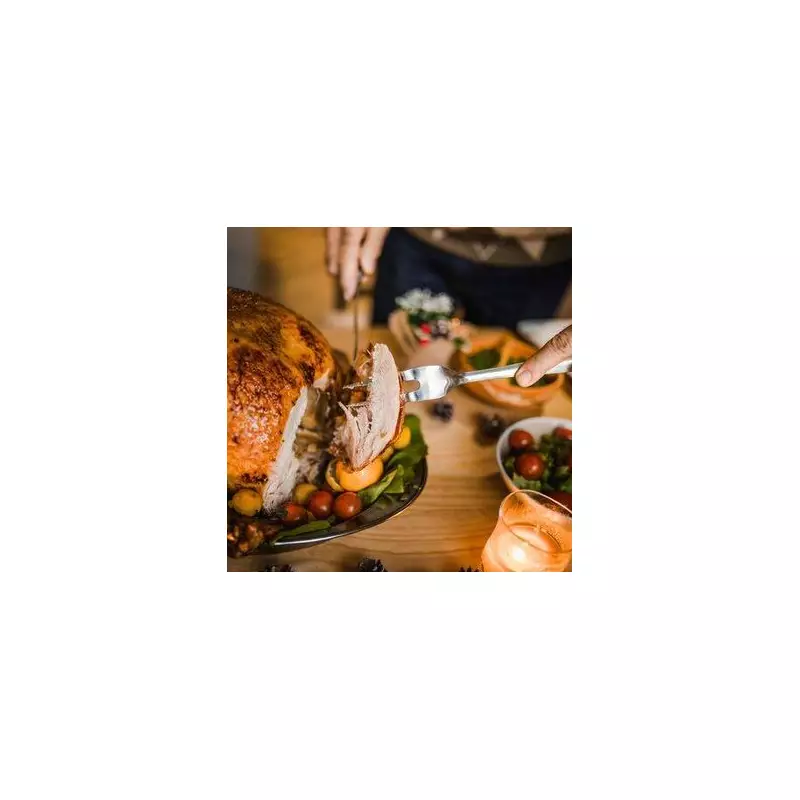
As over half of UK households prepare their festive centrepiece, the quest for the perfect, juicy roast turkey is paramount. Yet, this traditional bird, popularised in the 1950s and enjoyed by Henry VIII centuries earlier, is notoriously prone to drying out, leading many to opt for chicken, beef, or pork instead.
The Universal Chef-Recommended Method: To Brine or Not to Brine?
In a quest for culinary perfection, we consulted a dozen professional chefs for their ultimate advice. Overwhelmingly, they championed one particular technique: brining. Described as a "failsafe" method, brining involves treating the turkey with salt to enhance moisture and flavour retention before cooking.
There are two primary approaches. Wet brining involves submerging the bird in a salt-water solution, often infused with aromatics, sugar, beer, or cranberry juice, for up to 48 hours. Chef Tommy Heaney of Heaneys in Cardiff recommends a 10% salt solution, while Richard Turner of Turner & George butchers suggests a gentler 3% brine with herbs and spices.

Alternatively, dry brining sees the turkey rubbed with a mix of salt, garlic, herbs, and spices, then left uncovered in the fridge. Anthony Ekizian, culinary director at Gaucho, advocates this for saving fridge space, and Judy Joo of Seoul Bird advises a 24-48 hour dry brine with a pinch of baking soda for crisp skin.
Elliot Day of FieldGoods calls the practice a non-negotiable tradition, while Michelin-starred chef Mathew Sherry of Edinburgh's The Balmoral Hotel recommends it to season and "keep it moist". However, online butcher Pipers Farm cautions against brining their slow-grown birds, arguing it can wash away their natural flavour.
Jointing: The Strategic Split for Even Cooking
Beyond brining, a second critical tactic emerged from the chefs: separating the crown from the legs and thighs. This addresses the fundamental issue that dark leg meat requires longer cooking than the delicate breast.
Mark Hartstone of La Fosse in Dorset calls this one of the "simplest ways" to prevent dryness, advising to cook a crown and have the butcher bone and roll the legs separately. Anthony Ekizian and John Burton-Race of The Nook On Five in Cheltenham echo this, with the latter suggesting stuffing the boned leg for even cooking. Chef Ruth Hansom from North Yorkshire also recommends spatchcocking or separate preparation to avoid an overcooked breast.
Pro Tips for the Ultimate Festive Bird
The chefs shared further pearls of wisdom for Christmas Day success. Anthony Ekizian recommends stuffing butter, garlic, and herbs under the skin for internal basting. Robert Manea of Bōkan in Canary Wharf proposes marinating the legs overnight in a festive blend of cranberry, maple syrup, and spices.
Critical final steps include patting the bird dry after brining, allowing it to come to room temperature before roasting, and, as Mathew Sherry emphasises, allowing ample time for the cooked turkey to rest before carving. Mark Hartstone also advises against stuffing the cavity, which slows cooking, suggesting separate preparation instead.
With these expert techniques—from the failsafe brine to the strategic joint—home cooks across Britain can confidently aim for a succulent, flavourful, and perfectly cooked centrepiece this Christmas.