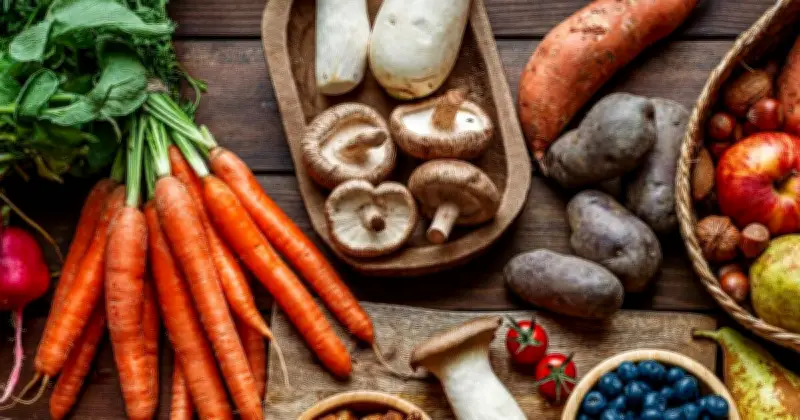
As winter approaches, Brits may be considering how they should adjust their diets for the cold and dark days ahead. The clocks will go back in the UK on October 25, meaning that the evenings will get darker earlier. With so much sunlight over the summer months, during a record period of hot and sunny weather, some Brits may have gotten used to getting their Vitamin D through sunlight. However, that will soon change as the number of daylight hours available in the UK dramatically decreases.
Nutritionist's advice on Vitamin D
A health expert has listed the foods that can act as a source of Vitamin D over winter as Brits struggle to get it from sunlight. Registered nutritionist and Senior Recipe Development Manager at recipe box service Green Chef, Lily Keeling, shared her tips on keeping your vitamin D levels up.
"Vitamin D is a key nutrient for maintaining healthy teeth, bones and muscles because it helps your body to regulate and absorb calcium more effectively," she said. "Those with a vitamin D deficiency might experience negative side effects such as muscle and bone aches, and fatigue."
Mushrooms as a key source
She listed four main food sources of Vitamin D, including mushrooms. She revealed: "The simplest way to increase your vitamin D levels through your diet is by increasing your mushroom intake.
"Particularly paying close attention to portobello, button and chestnut mushrooms that have been grown in the sunlight or under a UV lamp. You can usually find this information on the packaging.
"This quick and easy swap can not only help to reduce your meat intake, but can also be used as a healthier plant-based alternative."
Other food sources
According to the British Heart Foundation, mushrooms are one of the foods considered very high in Vitamin D. "You can find vitamin D in mushrooms that have been exposed to ultraviolet (UV) light while they are growing," it says. "One serving of UV-exposed mushrooms can provide more than the recommended daily amount."
As well as mushrooms, Lily points out a number of other foods that act as a good source of Vitamin D in the winter months. She added: "You can also increase your intake by carefully choosing milk alternatives that have been fortified with vitamin D and calcium.
"Typically, in the UK, cow’s milk is not fortified, so making this swap can help to increase your vitamin D levels with very little impact on your daily diet."
Additionally, types of oily fish, such as mackerel and salmon, are a good source of Vitamin D. She also recommends egg yolks and some breakfast cereals.