Bowel Cancer Rates Soar in Under-50s: The Fibre Deficiency Crisis
Bowel cancer rates are experiencing a dramatic surge among individuals under the age of 50, prompting urgent concerns from health experts. Research increasingly points to dangerously low levels of fibre consumption as a primary driver behind this alarming trend. While protein often dominates dietary discussions, fibre remains critically overlooked, yet it is essential for long-term health and disease prevention.
The Silent Epidemic: Fibre Intake at Record Lows
According to NHS guidelines, adults should consume a minimum of 30 grams of fibre daily. However, data from the Government's Office for Health Improvement and Disparities reveals a staggering 96 percent of adults are failing to meet this requirement. This deficiency coincides with rising bowel cancer cases, particularly among people in their twenties, thirties, and forties. The recent tragic death of actor James Van Der Beek at age 48 from bowel cancer has further highlighted the global issue affecting younger populations.
In the UK, studies suggest that over a quarter, specifically 28 percent, of all bowel cancer cases may be attributed to insufficient fibre intake. Fibre plays a vital role in maintaining good gut health and aiding in disease prevention, making its neglect a significant public health concern.

Why Fibre Lacks Popular Appeal
Jo Travers, a leading nutritionist and dietitian for Discover Great Veg, explains that fibre suffers from an image problem. "Fibre has historically been associated with keeping people 'regular', which is not exactly exciting!" she notes. While protein garners attention from fitness enthusiasts and wellness influencers, fibre is often relegated to associations with prunes and bowel movements, overshadowing its broader health benefits.
The Multifaceted Benefits of Fibre
Fibre is not merely about digestive health; it supports mental wellbeing, heart health, metabolism, and disease prevention. It is abundant in nutrient-rich foods such as kale, cavolo nero, pulses, nuts, and berries. Travers emphasises that increasing fibre intake is straightforward, yet public awareness and motivation remain low.
Convenience Culture and Ultra-Processed Foods
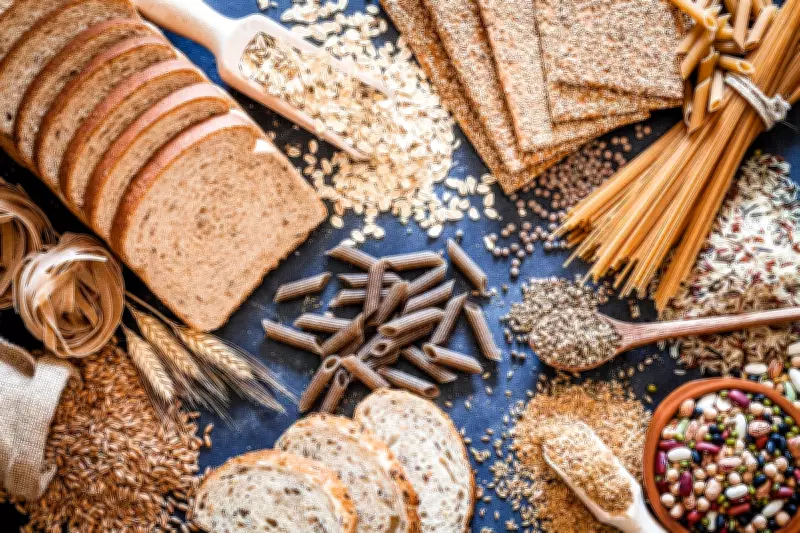
A major contributor to the fibre deficit is the prevalence of convenience foods and refined carbohydrates. "There has been a huge decline in fibre intakes with refined carbohydrates making up the bulk of people's carbohydrate intake," says Travers. White bread, white rice, and white pasta are favoured for their ease and palatability, unlike their wholegrain counterparts that require more effort to consume.
Additionally, ultra-processed foods typically lack fibre, depriving the gut microbiome of essential fuel. "Because so much of the Western diet is made up of ultra-processed foods, it means that the gut microbiome can sometimes miss out on a source of food," Travers explains. This can lead to a less diverse microbiome, reducing the production of beneficial compounds that support overall health.
The Science Behind Fibre's Role
Fibre encompasses various plant-based compounds that the human body cannot digest but that gut bacteria can metabolise. There are three primary types:
- Soluble fibre: Dissolves in water, forming a gel that slows digestion, promotes satiety, and lowers blood sugar and cholesterol. Found in oats, beans, and fruit.
- Insoluble fibre: Does not dissolve; adds bulk to stools and aids digestion. Present in wholegrains, leafy greens, and nuts.
- Prebiotic fibre: Feeds beneficial gut bacteria, which produce vitamins and chemical messengers influencing immune function and brain communication.
Travers clarifies: "It used to be thought that fibre just travels straight through us, not really doing much except helping food move through the gut. We now know, however, that it is essential for keeping the gut microbiome healthy." When gut bacteria digest fibre, they produce short-chain fatty acids that impact immune function and mental health. "Studies have found that increasing the fibre in your diet can reduce depression and anxiety," she adds.

Emerging research also explores fibre's potential role in cognitive health, with early studies indicating it may increase grey matter volume in the brain, possibly slowing diseases like Alzheimer's.
Rebranding Fibre: From Dull to Delicious
Contrary to its bland reputation, fibre is found in flavourful and satisfying foods. Kale, cavolo nero, walnuts, raspberries, and chickpeas are all rich sources. "It's easy to make fibre-rich foods taste great," says Travers. "Adding a dash of olive oil, garlic, herbs, or spices can transform vegetables into something much more interesting." Even indulgent options like dark chocolate, avocados, and nuts provide excellent fibre content.
Practical Tips for Boosting Fibre Intake
Increasing fibre does not require drastic dietary changes. Travers recommends three simple strategies:
- Double the portion size of vegetables at meals.
- Swap white carbohydrates for wholegrain versions, such as brown rice or lentil pasta.
- Add extra fibre to meals by incorporating fresh or frozen vegetables, beans, or lentils into dishes.
For those experiencing bloating, Travers advises increasing water intake and gradually adding fibre to the diet. "Fibre either dissolves or absorbs water in the gut, so if you increase fibre, increase your fluid intake a bit too," she suggests.
Top 10 Benefits of Fibre
- Supports gut health
- Can help improve mood
- Helps maintain a healthy weight
- Can improve metabolic health
- Lowers risk of cardiovascular disease
- Lowers risk of diabetes
- Lowers risk of bowel cancer
- Supports brain health
- Supports energy levels
- Can help prevent constipation
Fibre-Rich Recipes to Inspire Change
To demonstrate that fibre can be delicious, here are five nutrient-packed dishes:
- Ginger-Harissa-Roasted Vegetable Pilaf: Smoky and spiced, offering 24g of fibre per portion.
- Winter Kale Salad: A vibrant mix with kale, quinoa, and walnuts, delivering 21g of fibre.
- Tofu, Spinach, and Bean Soup: Hearty and warming, with 19g of fibre per serving.
- Creamy Potato and Kale Curry: Comfort food with 18g of fibre.
- Kale and Walnut Pasta Primavera: Wholewheat pasta combined with greens and nuts, providing 13g of fibre.
These recipes, sourced from Discover Great Veg, prove that fibre-rich meals can be both nutritious and flavourful.
Conclusion: A Call to Action
The message is clear: prioritising fibre intake is crucial for overall health. From enhancing gut and brain function to reducing disease risks, fibre is a powerhouse nutrient. As Travers encourages, "Even if you don't quite make the 30g straight away, any increase is positive!" Making small, consistent changes can lead to significant health benefits, helping to combat the rising tide of bowel cancer among younger adults.