
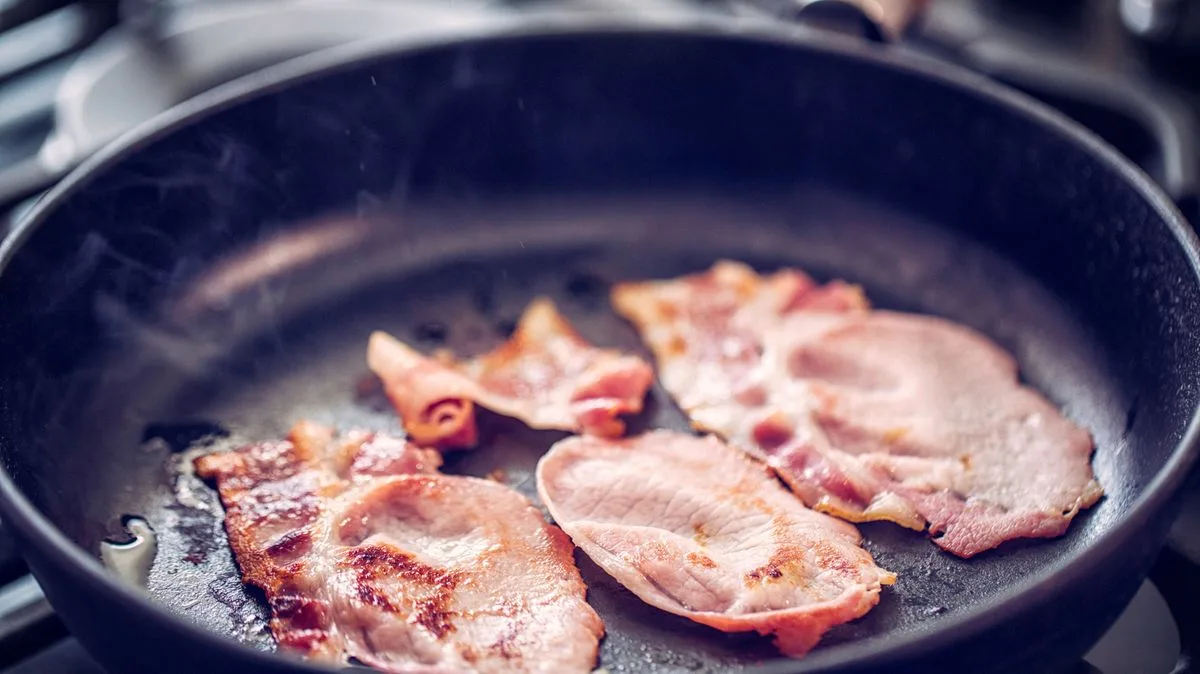
Leading scientists are calling for a ban on nitrite-cured bacon and ham in UK supermarkets, warning that chemicals used in their production are linked to more than 50,000 bowel cancer cases in the country. Nitrites, preservatives that keep processed meats pink and extend shelf life, are estimated to cause around 5,400 cases annually, with treatment costs averaging £59,000 per patient, costing the NHS roughly £3 billion over the past decade.
The World Health Organisation's International Agency for Research on Cancer (IARC) classified processed meat as a Group 1 carcinogen, placing it in the same high-risk category as tobacco or asbestos. Despite this, ministers have taken virtually no action to curb public exposure, according to Professor Chris Elliot OBE, founder of the Institute for Global Food Security and former government adviser.
Professor Elliot stated: 'A decade on from the WHO report, the UK Government has done virtually nothing to reduce exposure to nitrites - the curing agents that make these products pink and long-lasting but also create nitrosamines, compounds known to trigger cancer. Every year of delay means more preventable cancers, more families affected, and greater strain on the NHS.'
The experts have written to Health Secretary Wes Streeting, pushing for a ban on nitrites in processed meats, and to the EU's health and food safety commissioner, urging similar action. Their 2015 report, based on data from over 800 studies, found that for every 50g of processed meat eaten daily, the risk of colorectal cancer rose by 18%. Up to 90% of bacon sold in the UK is believed to contain nitrites, linked to bowel, prostate, and breast cancer.
Nitrite-free meat currently makes up only 5-10% of the market. Scientists are calling for clear front-of-pack warning labels on nitrite-cured products and a phased ban on nitrites, backed by regulatory measures and funding for smaller producers to transition to safer alternatives. Bowel cancer is the fourth most common cancer in the UK, with roughly 44,000 new cases annually.




