WHO Confirms Attacks on Iranian Health Infrastructure Amid Escalating Conflict
The World Health Organization has verified that at least 13 hospitals and other health facilities in Iran have been struck during the ongoing US and Israeli military operations, according to a briefing held on Thursday. Dr Tedros Adhanom Ghebreyesus, the director general of WHO, disclosed these figures while emphasising the critical need to protect healthcare under international humanitarian law.
Casualties and Damage in Iran and Beyond
Official reports indicate that the conflict has resulted in a significant death toll, with at least 1,230 people killed in Iran since the war began. Among these casualties are four medics whose deaths are under investigation by WHO, alongside 25 injured healthcare workers. The violence has also claimed over 100 lives in Lebanon and 13 in Israel, with thousands more injured across the region, including six US troops.
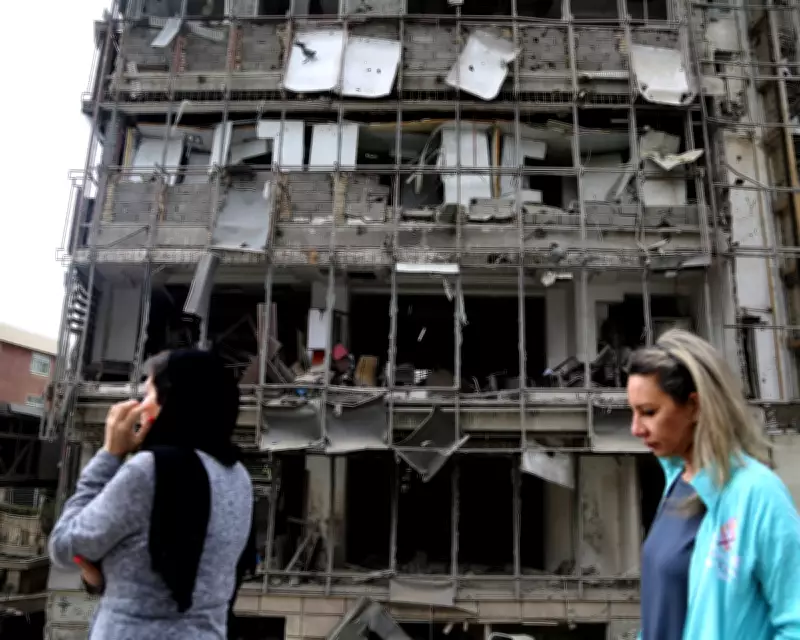
A particularly tragic incident involved a strike on Shajareh Tayyebeh school in Minab, southern Iran, which killed dozens of schoolchildren on Saturday. In Tehran, the Gandhi hotel hospital suffered severe damage from a joint US-Israeli strike on 2 March, as documented in photographs showing the aftermath of the attack.

Disruption to Global Health Supply Chains
Dr Hanan Balkhy, WHO’s regional director for the eastern Mediterranean, highlighted the broader implications of the conflict, noting that operations at the organisation’s global emergency logistics hub in Dubai have been suspended due to insecurity. This hub processed more than 500 emergency orders for 75 countries last year, but current airspace closures and restrictions affecting access to the Strait of Hormuz have halted its activities.
The suspension is preventing access to $18 million in humanitarian health supplies, with an additional $8 million in shipments unable to reach the hub. This disruption jeopardises supply chains for critical items, including $1.6 million in polio laboratory supplies essential for Afghanistan and Pakistan, where the disease remains endemic, and over $6 million in medicines destined for the Gaza Strip.
Humanitarian and Regional Fallout
The conflict has led to significant displacement, with an estimated 100,000 people leaving Iran and 60,000 displaced in Lebanon, even before evacuation orders were issued for Beirut’s southern suburbs. Hospitals and clinics in Lebanon have been forced to close due to these orders, exacerbating the healthcare crisis.
Iran’s ambassador to the UN in Geneva alleged in a letter that 10 facilities had been hit by military strikes, though WHO has verified 13 attacks in Iran and one in Lebanon. The potential for nuclear facilities to be affected raises further concerns about public health consequences, as warned by Ghebreyesus.
Humanitarian groups have expressed alarm over the impact, especially after Israel closed all crossings into Gaza following its attacks on Iran. The WHO continues to monitor the situation, stressing that the protection of healthcare is paramount in times of conflict.