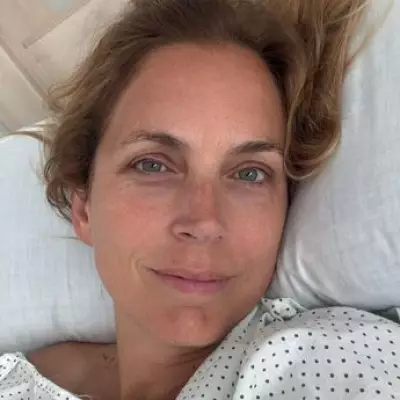
Reality television star Vicky Pattison has opened up about how a persistent health condition occasionally leaves her unable to "get out of bed", casting a shadow over her aspirations for motherhood. The former Geordie Shore personality, who recently showcased her dancing skills on the 2025 series of Strictly Come Dancing, is grappling with premenstrual dysphoric disorder (PMDD), a severe form of premenstrual syndrome.
Motherhood Concerns Amid Health Struggles
Now 38 years old and two years into her marriage with Ercan Ramadan, Pattison is contemplating the "next chapter" of her life, which may involve starting a family. Her upcoming two-part E4 series, Maybe, Baby?, premiering on March 31, documents this personal journey. However, her PMDD diagnosis has introduced significant worries.
In a candid interview with Closer magazine, Pattison expressed "real concern" about how the condition might affect her potential role as a mother. "I worry what type of mum it will make me," she admitted. "You see yourself as being this fun mother who's reading stories and making sourdough from scratch or whatever. But, when I'm in the trenches of my PMDD fog, I can barely get out of bed."

Understanding PMDD and Its Impact
The National Health Service describes PMDD as an intense variant of PMS, with symptoms that are more debilitating. The exact cause remains unknown, but sufferers can experience a range of severe effects, including:
- Headaches and muscle pain
- Sleep disturbances and overeating
- Anger, anxiety, and depression
- Suicidal thoughts in extreme cases
Pattison's battle with PMDD is not new. She previously disclosed in January 2025 that she "spent the best part of the last 10 years" believing she was "descending into madness" before receiving her diagnosis. Speaking to Heat magazine, she recounted how doctors initially dismissed her symptoms, suggesting she was being "weak and dramatic."
"When I finally got my diagnosis, it was the most liberating feeling," Pattison revealed. "I thought, 'You're not weak, you're not horrible, you're not depressed - you have a disorder.'" She expressed frustration that women are often not listened to regarding their health and vowed to continue advocating for awareness.
Proactive Steps and Public Advocacy
In a proactive move to manage her fertility, Pattison underwent egg-freezing at age 35. Despite this, the ongoing challenges of PMDD persist, influencing her daily life and long-term plans. Her openness aims to shed light on a condition that affects many but is frequently misunderstood.
The NHS advises individuals experiencing PMDD symptoms, particularly suicidal thoughts, to seek immediate help by calling 999 or visiting A&E. Support is also available through the Samaritans helpline at 116 123 or via their website.
As Pattison prepares for the launch of her new series, her story highlights the intersection of health, personal aspirations, and the importance of medical recognition for women's conditions.