UK Surgeons Achieve Milestone with First Remote Robotic Surgery on Gibraltar Patient
In a groundbreaking medical advancement, surgeons in London have successfully performed the United Kingdom's first remote robotic surgery on a patient located over 2,400 kilometres away in Gibraltar. This pioneering procedure, described as a "milestone" by medical professionals, marks a significant leap forward in telemedicine and surgical innovation.
Patient's Journey and Positive Outcome
The patient, 62-year-old Paul Buxton from Burnham-On-Sea in Somerset, who has resided in Gibraltar for four decades, underwent the surgery for prostate cancer. Diagnosed unexpectedly after Christmas, Mr. Buxton initially anticipated joining NHS waiting lists and travelling to England for treatment. However, he embraced the opportunity to be the inaugural case for this remote approach, stating it was a "no-brainer." Just four days post-operation, he reported feeling "fantastic," highlighting the procedure's success and minimal recovery time.
Mr. Buxton, who owns a transport company, expressed enthusiasm about contributing to medical history, comparing the advancement in surgical access to moving from the "Championship to the Champions League" in football terms. He emphasised the convenience of receiving high-quality care without leaving Gibraltar, which typically requires travel to London or Madrid for major surgeries.

Technical Excellence and Surgical Precision
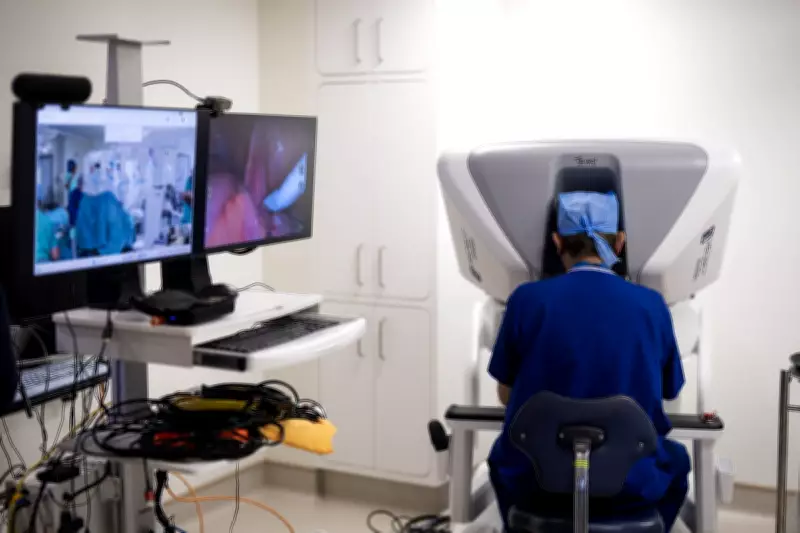
The surgery was led by Professor Prokar Dasgupta, a world-renowned robotic urological surgeon at The London Clinic's Robotic Centre of Excellence. Using the Toumai Robotic System by Microport, Professor Dasgupta operated from a console in London, controlling a robot with a 3D HD camera and four arms in Gibraltar. The connection, facilitated by fibre optics with a 5G backup, exhibited an impressively low lag of only 0.06 seconds, making the experience "almost as if I was there," according to the professor.
A local team in Gibraltar was on standby as a precautionary measure, ensuring patient safety in case of any technical issues. The collaboration between The London Clinic and the Gibraltar Health Authority, supported by global technology services provider Presidio, enabled this historic feat.
Broader Implications and Future Prospects
This remote robotic surgery addresses critical healthcare access challenges, particularly for patients in remote or underserved areas. Professor Dasgupta highlighted that it spares individuals the "vast expense and inconvenience" of travelling for specialised care, allowing top surgeons to operate virtually anywhere. The procedure's success paves the way for expanded use in other regions, potentially transforming global healthcare delivery.
Following the initial test case on February 11, an official surgery was conducted on March 4 on another 52-year-old patient in Gibraltar, with further procedures planned, including one live-streamed to 20,000 urological surgeons at a European congress. Al Russell, chief executive of The London Clinic, noted the institution's pride in this medical breakthrough, while Gibraltar's health minister, Gemma Arias-Vasquez, praised it as a "landmark moment" showcasing how technology and expertise can revolutionise healthcare.
This milestone not only demonstrates the feasibility of remote surgeries but also underscores the humanitarian benefits of making advanced medical treatments more accessible worldwide.