Ahead of the sunny bank holiday weekend, Cancer Research UK has issued a stark warning about sun safety, as new figures reveal the highest number of melanoma skin cancer cases ever recorded in the UK. According to the charity's latest data for 2022, there were 20,980 new cases of melanoma, the deadliest form of skin cancer.
Rising Trend and Future Projections
New analysis suggests that by 2040, the annual number of melanoma diagnoses could reach 26,500. This represents a projected increase of 23% among men and 26% among women compared to current levels. The charity notes that overall, women are more likely to be diagnosed at younger ages, often linked to sunbathing and sunbed use, while men tend to develop the condition later in life due to long-term sun exposure.
Expert Commentary
Michelle Mitchell, chief executive of Cancer Research UK, expressed concern over the rising numbers. "It's concerning to see the rising number of people being diagnosed with melanoma skin cancer across the UK," she said. "The fact that most of these cases are preventable underlines the importance of people taking sun safety seriously. Take care when the sun is strong by seeking shade, covering up and applying sunscreen and, if you notice any unusual changes to your skin, contact your GP."
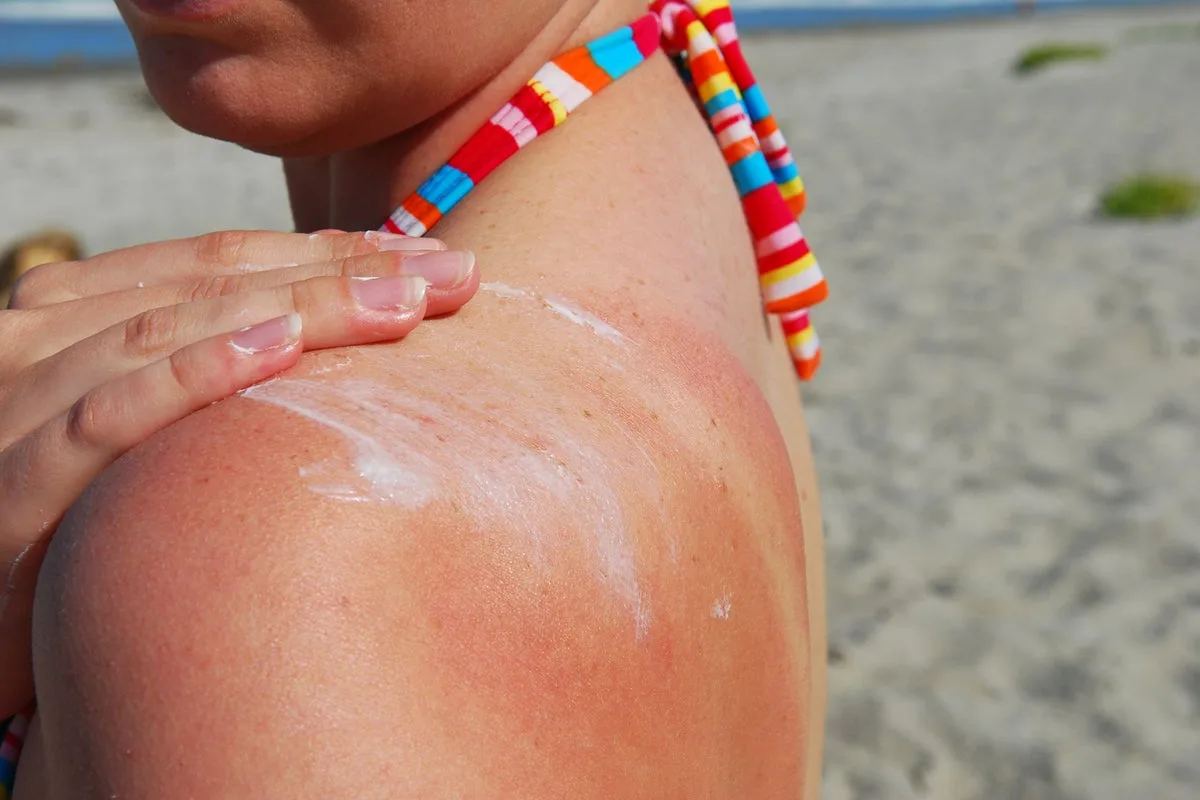
Fiona Osgun, head of health information at Cancer Research UK, added: "Sunburn is a clear sign your skin has been damaged. Whether you are enjoying being outside abroad or at home, it's important to protect yourself from the sun. Sunburn doesn't only happen when it's hot – it can happen on cooler or cloudier days too."
Personal Story: Rebecca Dance
Mother-of-two Rebecca Dance, from Wokingham in Berkshire, was diagnosed with malignant melanoma at age 39 after noticing a suspicious mole on her back. She was referred by her GP to hospital, where the mole was removed. Now 44, she shared her experience: "My whole life flashed in front of me because I just thought 'oh my God, I've got cancer'. I was panicked and upset. I tried to live life as normal as I could between the diagnosis and surgery, but it was weighing on my mind."
She added: "I'm a single parent and my worst fear was dying. I had my 40th birthday weeks before the surgery and I remember just breaking down on the night of it. In the run-up to the surgery, I would wake in the morning at 5am and cry and break out in tremors and sweats. There's this perception that skin cancer only happens to people who use sunbeds or sunbathe. But I'm a normal person that's just got very pale skin and a lot of moles and it happened to me, too. Don't delay speaking to your GP if you notice any changes – I believe it saved my life."
Sun Safety Tips
Cancer Research UK, in partnership with Nivea Sun, advises the following precautions:
- Seek shade, especially between 11am and 3pm in the UK. Take a break under trees, umbrellas, and canopies, or go indoors.
- Cover up with clothes, a wide-brimmed hat and UV protection sunglasses. Clothing should cover the shoulders at least.
- Apply sunscreen with at least SPF 30 and four or five stars. Make sure to reapply it regularly and generously, especially after swimming, sweating or using a towel.
The charity also acknowledges that overdiagnosis, where cancers that would not go on to cause harm are diagnosed, could be contributing to rising rates, alongside increased awareness. Nonetheless, the message remains clear: enjoy the sun safely to reduce the risk of skin cancer.