A Sudden Impact in New Orleans
James Greig was on a work trip to New Orleans in 2024 when an SUV struck him at a crosswalk where he had the right of way. The collision sent him flying two metres through the air, landing on the road in what felt like slow motion. Waves of adrenaline surged through him as he stood up, aided by his friend Brandy and strangers. In that moment, he realised his annual travel insurance had expired just a week earlier, leaving him vulnerable to mounting medical costs.
From Denial to Hospitalisation
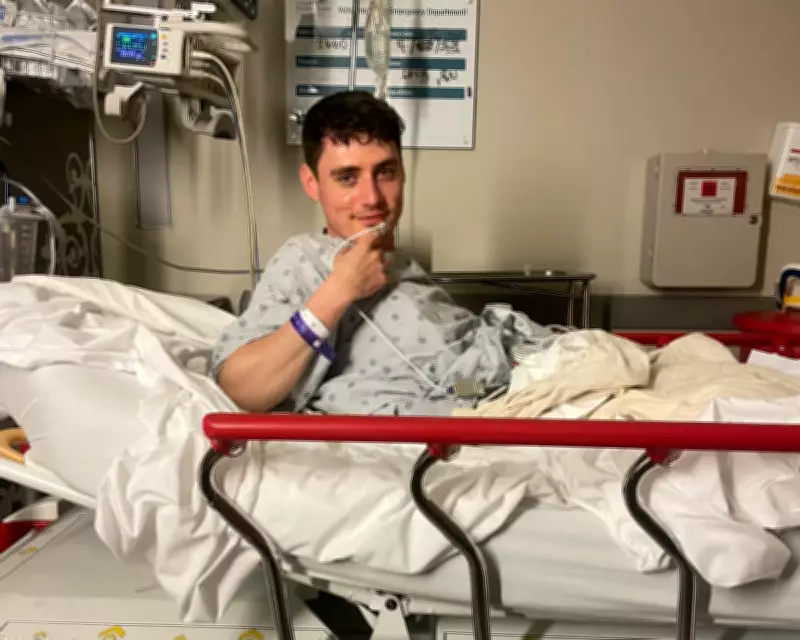
Initially, Greig insisted he was fine and refused an ambulance, but he soon blacked out. Paramedics arrived and, despite his protests, rushed him to hospital. On the stretcher, he frantically calculated his finances, grappling with the reality of his uninsured status. At the hospital, he experienced a bizarre euphoria, laughing and posing for photos, texting friends with exaggerated messages while downplaying the incident to his mother. Medical tests revealed no broken bones or bleeding, but his right leg was swollen, and his body was covered in bruises.
A Wake-Up Call for Brain Health
A Cat scan showed his brain was in exceptionally good health, surprising given his history of heavy drinking and excessive screen time. After a few days recuperating at Brandy's home, he returned to London, only to develop post-concussion syndrome. Symptoms included headaches, dizziness, and cognitive difficulties, forcing him out of work for over a month. He struggled with social interactions and often felt on the verge of fainting, haunted by the thought that he might never be the same again.

Lasting Changes and Reflections
Gradually, Greig improved, returning to work and social life. His employer's insurance eventually covered the $30,000 hospital bill, alleviating financial stress. The accident left lasting impacts: he now tenses up near cars, follows road safety more carefully, and has a heightened sense of empathy, understanding that disability can strike anyone at any time. While some post-accident resolutions, like reading only classical literature, faded quickly, others endured. He significantly reduced his drinking and screen time, vowing to take better care of his brain. Ultimately, the near-death experience reshaped his priorities, suggesting that change, though challenging, can be for the better.