The Rise of Sleep Hysteria in Modern Society
In recent decades, society has undergone a dramatic shift in its attitude towards sleep. Where once figures like Margaret Thatcher boasted of surviving on just four hours a night, today we are inundated with messages emphasizing the critical importance of rest. This transformation has led to what experts describe as a state of sleep hysteria, where an obsession with achieving perfect sleep is causing widespread anxiety and distress.
From Dismissal to Obsession: The Evolution of Sleep Culture
The journey from sleep dismissal to hysteria began with scientific revelations about the dangers of sleep deprivation. In the 1960s, a high-school student named Randy Gardner stayed awake for 11 days as part of a study, experiencing severe symptoms such as delusions and irritability. More recent research has solidified links between sleep patterns and both mental and physical health, propelling sleep into the spotlight of the wellness industry.
Now, a plethora of products and services—from sleep trackers and podcasts to supplements and aromatic sprays—promise to optimize our rest. However, this focus has spawned a problematic phenomenon known as orthosomnia, coined by sleep scientists in 2017. This term refers to an unhealthy fixation on obtaining "correct" sleep, often driven by a gap between ideal sleep advice and the reality of one's own sleep patterns.

The Unintended Consequences of Sleep Monitoring
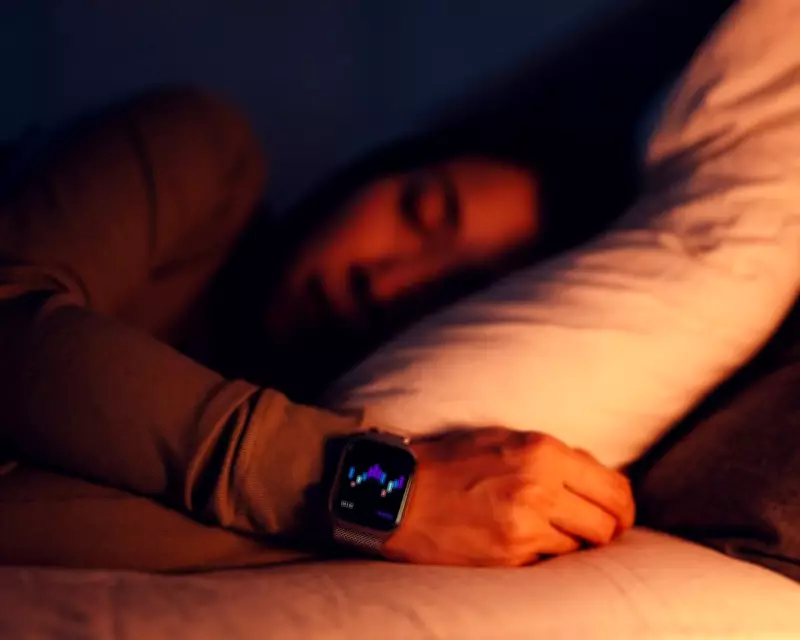
As sleep tracking technology becomes ubiquitous, with devices like smartwatches, rings, and mobile apps monitoring our nightly rest, new challenges have emerged. The very act of tracking sleep can disrupt it, leading to sleepless nights as individuals anxiously strive to meet arbitrary metrics like "core sleep." Moreover, many of these devices lack accuracy, potentially causing unnecessary worry over data that may be misleading.
A recent BBC article highlighted how video monitoring technology in mental health wards, used to track sleep and activity, has been linked to increased paranoia and illness among patients. This underscores the broader issue: while intended to help, these tools can exacerbate sleep-related anxiety rather than alleviate it.
Sleep Privilege and the Myth of the Eight-Hour Night
Experts like Prof Roz Shafran and Prof Allison Harvey have introduced the concept of sleep privilege to address disparities in sleep opportunities. Factors such as caregiving responsibilities, chronic health conditions, insomnia, or shift work can limit one's ability to achieve ideal sleep, yet much wellness advice ignores these realities. This has led to heightened distress among those who fear severe health consequences, like cancer or Alzheimer's, from their sleepless nights.
Adding to the confusion is the pervasive "eight-hour myth," which suggests everyone needs exactly eight hours of sleep to function optimally. In reality, sleep requirements vary widely between individuals and change throughout life. As Prof Jason Ellis explains, trying to stretch sleep beyond one's natural needs—like overworking dough—can lead to fragmented rest and nighttime awakenings.
Finding Balance: Solutions and a Return to Natural Sleep
Despite these challenges, effective help is available for those with genuine sleep problems. Innovations like Sleepio, a digital therapeutic app co-founded by Prof Colin Espie, deliver cognitive behavioural therapy for insomnia and have been endorsed by health authorities. For others, however, the solution may lie in stepping back from the hype.
By peeling away the unhelpful layers of sleep advice and monitoring, individuals can rediscover natural sleep—a concept that prioritizes rest without the pressure of perfection. As society grapples with sleep hysteria, perhaps the next health trend should be a simpler, more compassionate approach to rest, free from the distortions of exaggerated messaging.