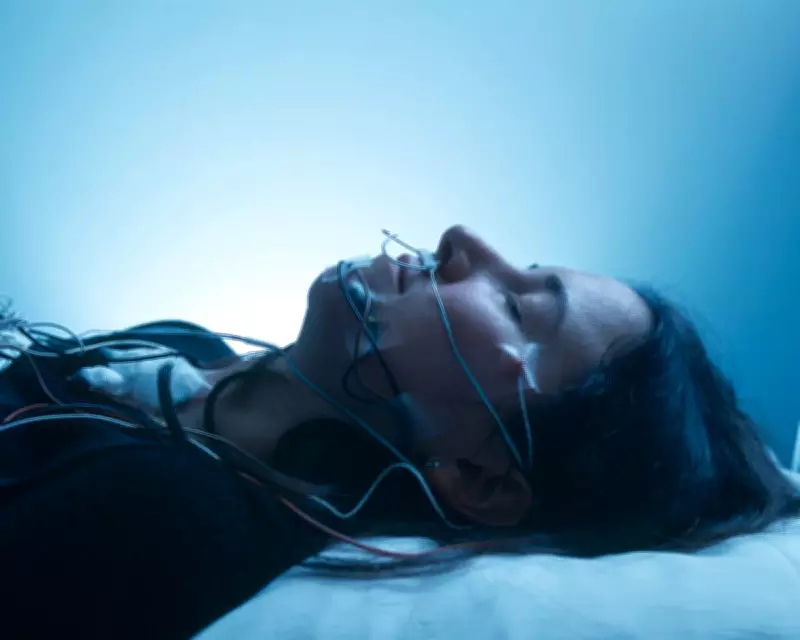
Sleep Apnoea Imposes Heavy Economic Toll on UK and US, Study Shows
Obstructive sleep apnoea is costing the economies of the United Kingdom and the United States more than £137 billion annually, according to new research. This serious health condition, which causes individuals to repeatedly stop breathing during sleep, is associated with heightened risks of heart attacks and strokes, impacting productivity and healthcare systems.
Core Symptoms and Global Prevalence
The study, led by researchers at University College London, identifies breathing pauses on three or more nights per week and excessive daytime sleepiness as the core criteria for diagnosing obstructive sleep apnoea. Globally, it is estimated to affect approximately 1 billion people, including 8 million in the UK, with up to 85% of cases remaining undiagnosed. Sufferers often experience loud snoring, waking up gasping for breath, and persistent fatigue, which can severely impair daily functioning.
Economic Impact and Underestimation Concerns
Surveying over 4,000 adults in the UK and US, the research found that about one-fifth of respondents reported symptoms meeting the diagnostic criteria. The economic burden was calculated through lost workdays and reduced workplace performance, amounting to $180 billion (£133 billion) for the US and £4.2 billion for the UK each year. However, the authors caution that this is likely an underestimate, as the analysis did not account for increased medical expenses or costs related to road traffic and workplace accidents.

Calls for Policy Action and Screening
Published in the journal Thorax, the study advocates for workplace screening and earlier treatment to mitigate these costs. The authors urge policymakers to allocate resources towards effective screening strategies and public health campaigns, emphasizing that early identification and management could save billions annually in productivity losses. They highlight the potential of new low-cost technologies and screening algorithms to improve diagnosis rates.
Treatment Challenges and Worker Fears
Despite advancements, treatment adherence remains a significant hurdle. Nearly two-thirds of patients discontinue continuous positive airway pressure therapy, the standard treatment, while alternatives like weight loss drugs, mouth guards, and nerve stimulation implants are not suitable for all. Additionally, some workers, particularly in transport sectors, fear job loss if diagnosed. Adrian Jones, a national officer at the trade union Unite, stresses that employers must be educated on managing the condition and ensure workers are supported, not penalized, through screening programs.
This research underscores the urgent need for increased awareness and proactive measures to address the widespread and costly effects of obstructive sleep apnoea on both health and economy.