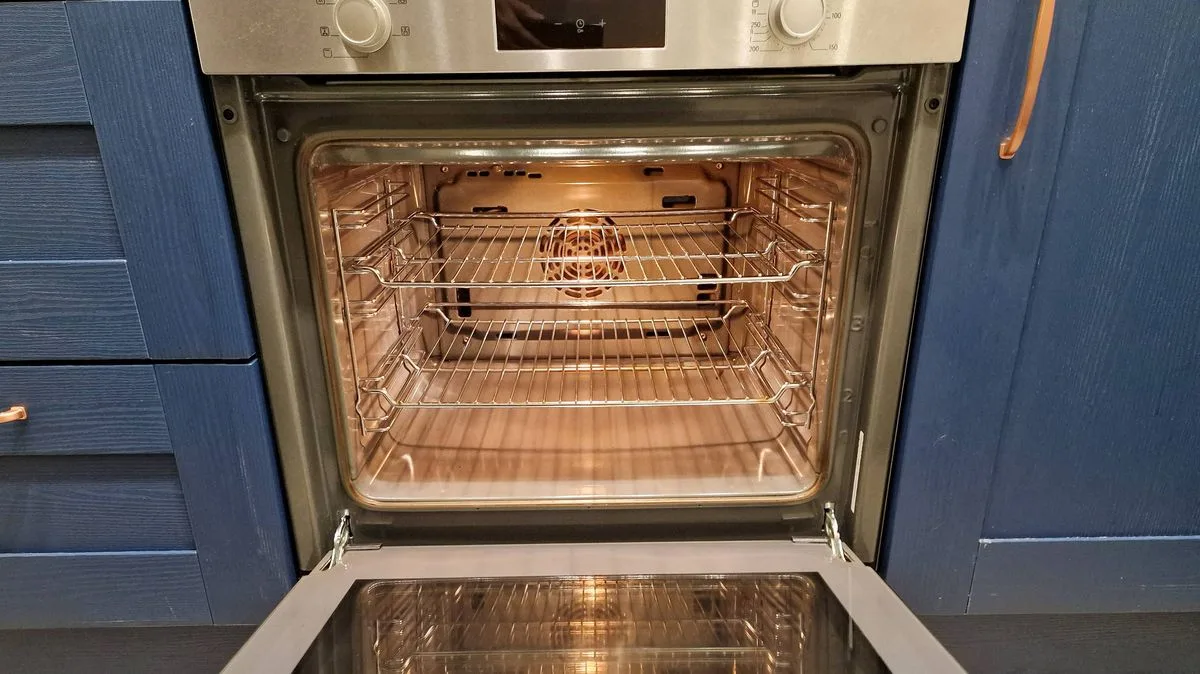
Cleaning the oven ranks among the nation's most dreaded household tasks. However, allowing grease and baked-on grime to accumulate not only makes the job tougher when you eventually tackle it, it can impact how your oven functions and how your food is prepared.
Why a Clean Oven Matters
Zimbini Nkonjera, Product Manager for Cooking at Hotpoint, has revealed why keeping on top of oven cleaning is more important than many people think. "Grease and food residue don't just sit there harmlessly. Over time they can smoke, taint the flavour of what you're cooking and put unnecessary strain on your appliance. A clean oven helps everything run as it should."
Each time you roast, bake or grill, small quantities of fat and food debris settle on the internal surfaces of your oven. At lower temperatures this might pass unnoticed, but repeated exposure to heat progressively bakes these deposits onto the walls, base and door, making them far more difficult to remove.
"The longer residue is left, the more it bonds to the surface," says Zimbini. "What might have wiped away easily after a Sunday roast can, within a few weeks, require more effort to remove."
The Most Effective Approach
The most effective approach is to prevent substantial build-up from the outset. Wiping down internal surfaces after cooking anything that has splattered, covering dishes with foil or a lid during slow cooks, and giving racks a quick soak every few weeks will stop the job from ever becoming unmanageable.
For a thorough clean of the interior, begin by turning the oven off at the mains and letting it cool completely before taking out the racks. Use a dry brush or cloth to dislodge any debris before applying your preferred cleaning product.
Commercial oven cleaners are highly effective but contain powerful chemicals, so always wear rubber gloves, make sure the kitchen is properly ventilated and follow the product instructions carefully. "Whichever method you use, avoid spraying anything directly onto the fan or heating elements," adds Zimbini. "These areas are not designed to come into contact with liquid cleaning products and doing so could cause damage."
Cleaning Oven Racks
Oven racks are generally the simplest part to tackle because they can be removed and left to soak. Pop them in a large washing-up bowl or a sealed bag specifically designed for oven rack cleaning, add your chosen cleaning solution and leave them for a minimum of a couple of hours. Most stubborn grime will come away with very little scrubbing afterwards.
To reduce build-up in the first place, putting dishes on a baking tray rather than directly on the racks means any spillages are contained and simple to deal with.
Cleaning the Oven Door
A smudged or greasy oven door makes it tricky to keep an eye on your cooking and is one of the most overlooked areas. Use a damp microfibre cloth or soft sponge to wipe down the glass and finish off with a vinegar-based glass cleaner for a streak-free result. Steer clear of wire wool or abrasive scourers, as these can cause scratches and reduce clarity over time. For extra convenience, some oven doors can be detached with a simple click, making a thorough clean quick and straightforward.
"Many ovens have removable inner glass panels for easier cleaning," says Zimbini. "It's always worth checking your appliance manual, as being able to access this area can make a real difference to visibility and ease of cleaning."






