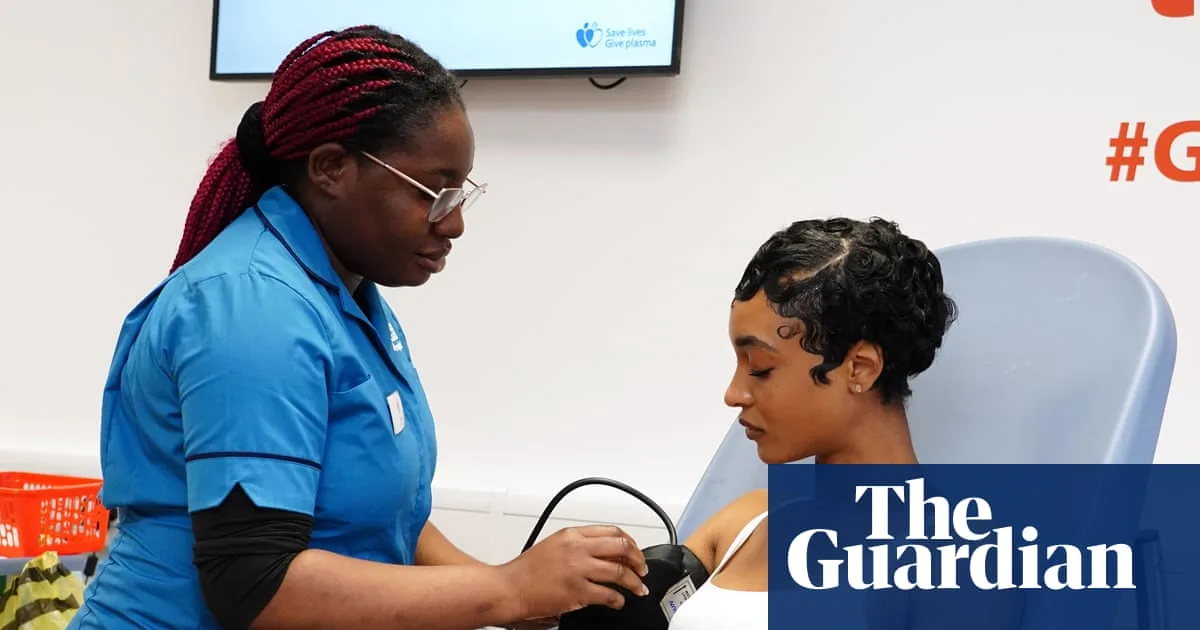
Sickle Cell Surge: NHS Urgently Needs More Black Blood Donors
Sickle Cell Surge: NHS Needs More Black Blood Donors

The demand for blood required to treat rare disorders such as sickle cell disease has surged by over 130% over the past decade, prompting the National Health Service (NHS) to issue an urgent appeal for more donors.

Soaring Demand for Specialised Blood

Requests for haemoglobin S (HbS)-negative blood, the type predominantly used in transfusions for sickle cell anaemia patients, stood at 82,181 units in 2015. By last year, however, more than 191,000 units were required, marking a 132% increase. HbS is a form of haemoglobin commonly present in individuals with sickle cell trait or sickle cell disorder. It causes red blood cells to adopt a crescent or 'sickle' shape, thereby reducing their flexibility within blood vessels.

For transfusion purposes, sickle cell patients must receive blood that is free of HbS. This ensures that the transfused blood functions normally and does not exacerbate their condition.

Wide Pickt banner — collaborative shopping lists app for Telegram, phone mockup with grocery list

Underlying Factors Behind the Rise

The escalating need for HbS-negative blood mirrors the growing demand for transfusion programmes for individuals living with sickle cell disorder, a condition affecting approximately 17,000 people across England, predominantly those of African and Caribbean heritage. The NHS Blood and Transplant service (NHSBT) has highlighted this sharp increase and is making urgent appeals for Black people to donate. Currently, the NHSBT has around 775,000 blood donors in total, of whom only about 21,500 are of Black or mixed Black ethnicity.

John James, chief executive of the Sickle Cell Society, commented: "These figures demonstrate an urgent need for more blood donors, particularly from Black and brown heritage communities. The blood types most often required for sickle cell patients are more common among people of Black heritage, who remain underrepresented in the donor pool. That is why, in partnership with NHS Blood and Transplant, we have developed our Give Blood, Spread Love programme to boost the number of Black-heritage donors. Giving blood is a simple act that can save or improve up to three lives, and for people with sickle cell, it can be life-saving."

Additional Challenges and the Need for Matched Blood

The increase in demand has been attributed to several factors, including an ageing population, more frequent use of transfusions where all of a patient's blood is replaced, and a rise in numbers from regions where sickle cell is more prevalent. Many sickle cell patients develop antibodies over time, meaning they require very closely matched blood. Requests made to NHSBT for rare blood for patients with sickle cell disorder increased by 191% from 2023 to 2025.

Chiara Vendramin of NHSBT stated: "Beyond the HbS-negative requirement, there are many other blood group types to consider. Patients can develop antibodies over time, which makes it harder to find compatible blood and can delay treatment. People from similar ethnic backgrounds are more likely to share blood types. This is why increasing the number of donors from Black-heritage communities is especially important. While Black-heritage donors' numbers have greatly increased, there is still an urgent need for more."

An NHSBT spokesperson added: "The best matched blood will often come from someone of the same ethnic background. While the number of donors of Black-heritage communities continues to increase, there is an urgent need for more, especially to help people with sickle cell. We need donors with well-known blood types but also the rare blood types more prevalent in the Black community."

Pickt after-article banner — collaborative shopping lists app with family illustration




