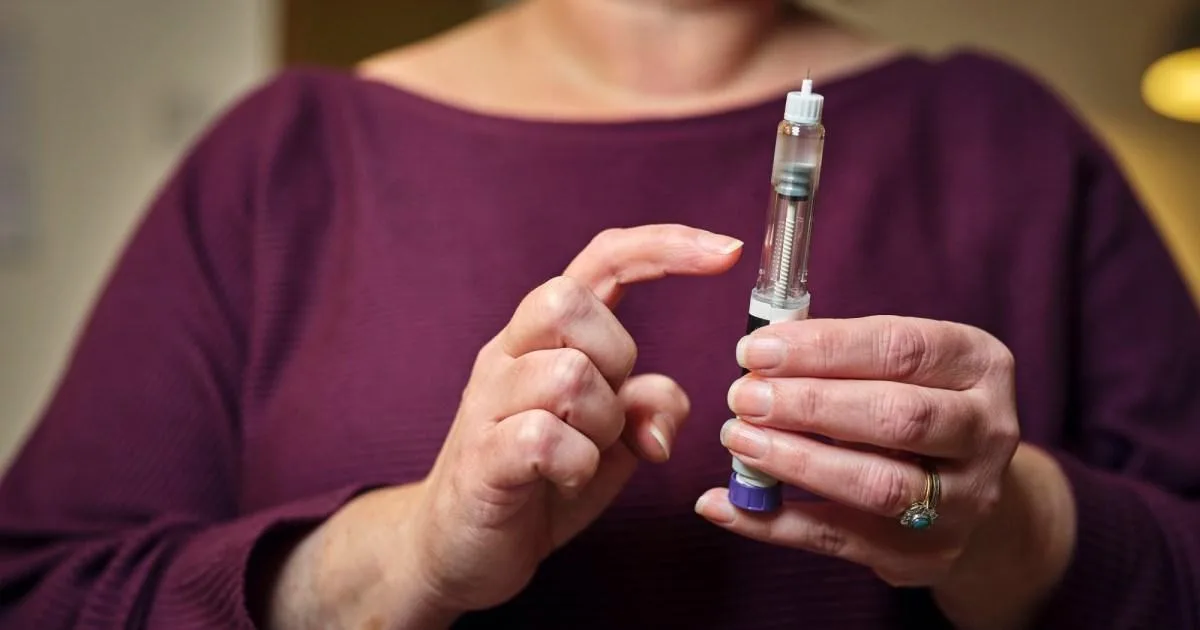
While treatments like Ozempic, Mounjaro and Wegovy can help with weight loss, a proportion of the estimated 1.5 million people in the UK on these jabs may struggle to keep the pounds off long-term. Dr Donald Grant, GP and senior clinical advisor at The Independent Pharmacy, warns that some may even end up heavier than when they started.
One common mistake is stopping the medication abruptly. Dr Grant explains that going 'cold turkey' could increase appetite, leading to poor eating habits and potential weight gain. He recommends speaking to a GP about a tapering plan and adopting dietary and lifestyle changes to reduce weight gain.
Another error is failing to maintain a healthy lifestyle after stopping. A study by Oxford University found that those who use GLP-1 drugs will regain weight within 10 months of stopping if they don't continue healthy habits. Dr Grant advises replacing the treatment with another method to keep weight off, such as 30 minutes of daily exercise.
Stopping treatment too early is also a common pitfall. Dr Grant says these drugs are designed for long-term use, typically 12 to 24 months, and stopping prematurely gives the body little time to adapt. He emphasises that it's a marathon, not a sprint.
Neglecting dietary changes while on the medication is another mistake. Dr Grant recommends a structured meal plan with high-protein, fibre-rich and healthy fat foods to avoid overeating. Additionally, not tracking weight after stopping can lead to reverting to old habits; regular monitoring helps adjust routines to maintain progress.
Finally, ignoring the emotional relationship with eating can undermine success. Dr Debra Marcos, medical director at Weight Medics, notes that weight gain often involves emotional eating, stress, or unresolved trauma. She suggests working with dietitians and therapists to identify triggers and develop alternative coping strategies, and ensuring adequate protein intake even after stopping the jabs.