Saga Cruise Passenger Died After 'Suboptimal' Medical Care During Storm Injury
Saga Cruise Passenger Died After Storm Injury Care Failures

Saga Cruise Passenger Died After 'Suboptimal' Care for Storm Injury

A British Saga cruise passenger suffered a severe spinal injury during a violent storm and later died due to inadequate medical care at sea, according to a detailed investigation report. The tragic incident highlights critical failures in onboard medical response and decision-making during extreme weather conditions.

Fatal Incident During Bay of Biscay Storm

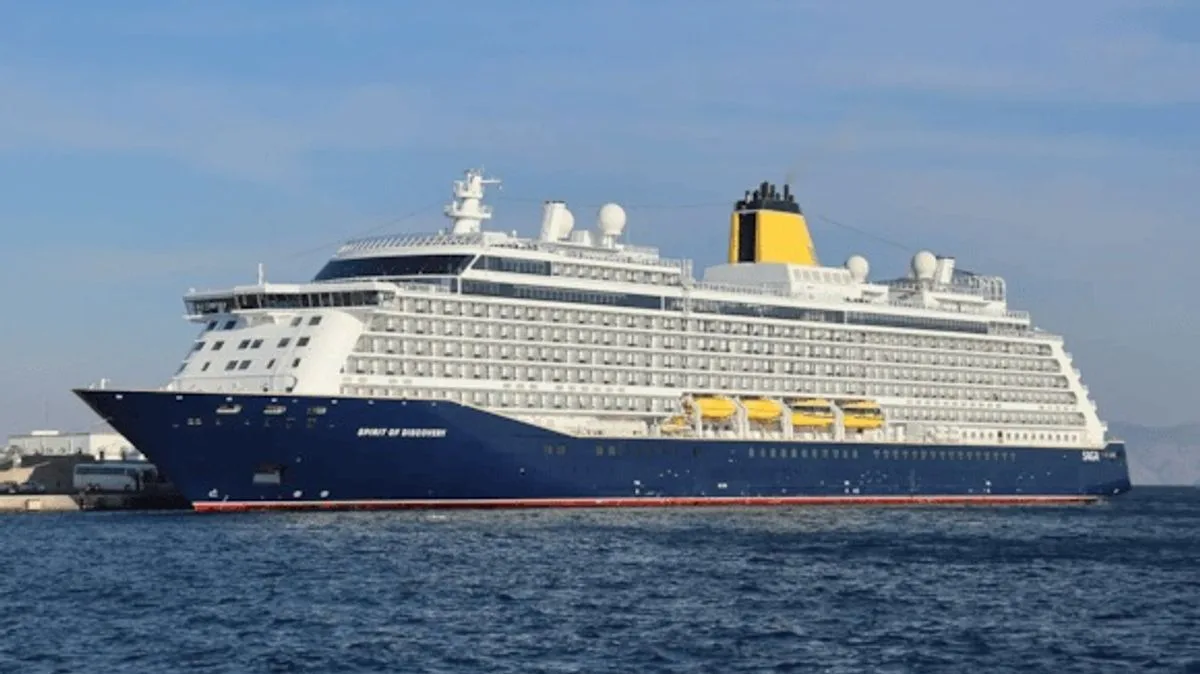
Passenger Trevor Gilks, 85, died just days after falling from a chair aboard the Saga Spirit of Discovery cruise ship when the vessel encountered force 11 winds in the Bay of Biscay on November 4, 2023. The violent storm caused the ship to roll dramatically, resulting in more than 100 passenger injuries during the crossing from the UK coast.

Mr. Gilks had been traveling with his wheelchair-using wife when he was thrown from his seat during the ship's violent movements. Despite immediate assistance from a nurse who helped him back into his chair, the subsequent medical response proved insufficient for his serious condition.

Wide Pickt banner — collaborative shopping lists app for Telegram, phone mockup with grocery list

Medical Response Failures Identified

The Marine Accident Investigation Board (MAIB) report revealed multiple deficiencies in Mr. Gilks' medical treatment. He was given a neck collar to wear for four hours before undergoing an X-ray, and was placed on a bed in the medical centre rather than on a spinal board - standard practice for suspected spinal injuries.

When X-rays were emailed to a shore-based radiologist, the images proved insufficiently clear to determine whether Mr. Gilks had injured his cervical spine. This delay in proper diagnosis meant he received what investigators termed "suboptimal treatment" that may have affected the severity of his injury.

Deterioration and Evacuation Delay

Several days after the initial incident, Mr. Gilks began experiencing tingling in his limbs before losing feeling in his legs. As his condition deteriorated on November 6, a doctor expressed concern that he needed immediate evacuation from the ship due to paralysis risk.

However, the captain decided against helicopter transfer due to the dangerous sea conditions, opting instead to keep Mr. Gilks onboard until the ship reached Portsmouth later that day. He was transferred by ambulance to hospital but died on November 8, with his cause of death recorded as complete cervical spine injury.

Investigation Findings and Industry Implications

The MAIB report identified several contributing factors to the tragedy. The captain's decision to cross the Bay of Biscay in high seas was "not effectively challenged by the crew and operational teams ashore," despite weather information providers advising against the crossing.

During the voyage, the Spirit of Discovery lost propulsion when violent movements caused the propellers to overspeed and automatically shut down. The MAIB has recommended that cruise ships be required to install electronic devices to measure stability more effectively.

Chief inspector of marine accidents Rob Loder stated: "While cruising remains safe and accidents rare, Spirit of Discovery's violent motion in heavy weather caused injury to over 100 passengers and, very sadly, one passenger lost their life as a result of injuries sustained."

Company Response and Safety Improvements

Saga Cruises has apologized for the distress caused to Mr. Gilks' family. A company spokesperson said: "Our thoughts remain with the family and friends of Mr. Gilks and all the guests and crew affected by this incident, and we are sorry for the distress they suffered."

The spokesperson added that safety remains their top priority and that they follow industry guidelines and best practices, though weather conditions are beyond their control. Following the incident, Saga implemented enhanced policies and procedures that have been recognized by the MAIB in their report.

The cruise industry faces renewed scrutiny regarding medical response capabilities and decision-making processes during extreme weather events, with this tragic case serving as a sobering reminder of the importance of proper emergency protocols at sea.

Pickt after-article banner — collaborative shopping lists app with family illustration